
Bird Beak Adaptations: Hands-On Bird Beak Experiment for Students
Understanding bird beak adaptations helps students see how animals survive in their environments. When students examine different bird beak types, they begin to understand how shape, size, and structure help birds find and eat food.
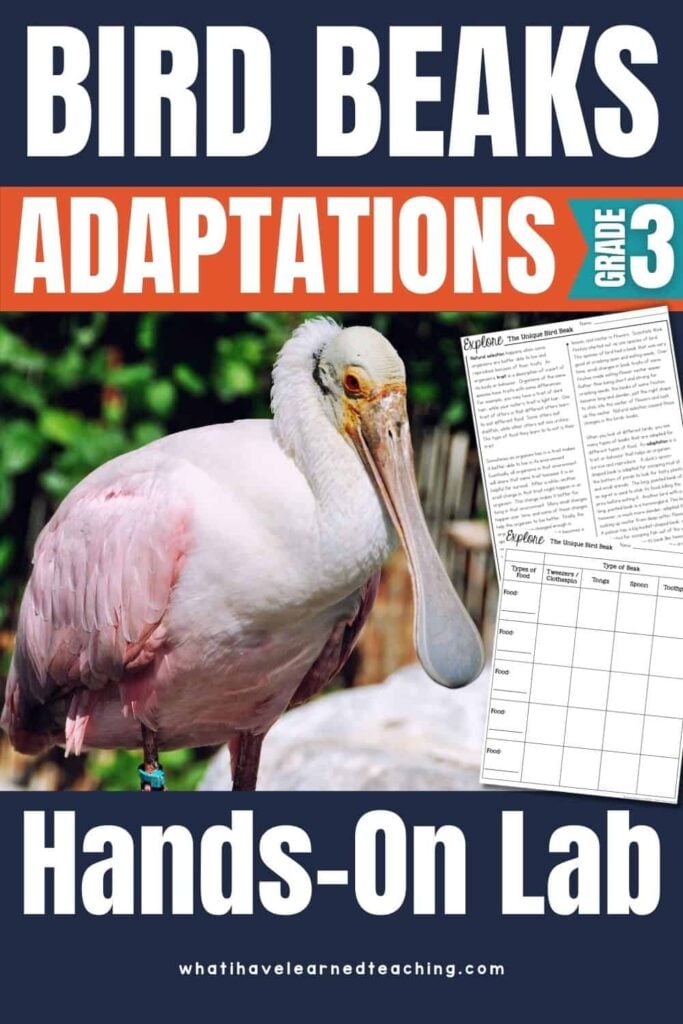
One of the most effective ways to teach this concept is through a bird beak experiment, where students test different tools that represent different beak shapes. Instead of only reading about types of bird beaks, students actually simulate how birds pick up food.
This hands-on bird beak adaptation lab allows students to investigate how beak structure affects feeding. It combines informational reading, data collection, and scientific reasoning, making it perfect for science stations, independent work, or a full class activity.
Bird Beak Images and Hands-On Lab
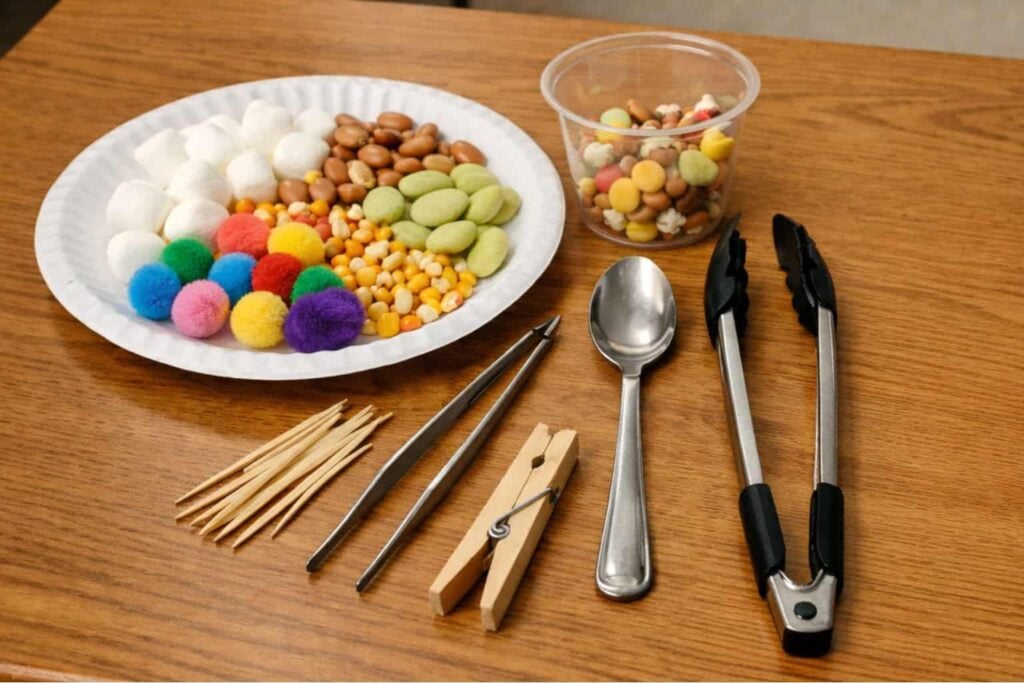
This bird beak investigation models how birds with different beaks eat different foods. Students use simple tools to represent bird beak shapes, including:
- Tweezers or clothespins
- Tongs
- Spoons
- Toothpicks
Each tool represents a different type of bird beak, allowing students to compare how well each “beak” collects food.
The food items represent what birds might find in nature:
- Marshmallows
- Beans
- Popcorn kernels
- Pom-poms
- Small seeds
Students test which beak works best for different foods and record their results in a data table.
This type of bird beak experiment helps students visualize adaptation in action.
What Are Bird Beak Adaptations?
Bird beak adaptations are physical traits that help birds survive by making it easier to obtain food. Over time, birds develop beaks that match the foods they eat most often.
Different bird beak shapes help birds eat different foods.
Examples include:
| Bird | Type of Beak | Function |
|---|---|---|
| Duck | Spoon-shaped beak | Scoops plants and small animals from water |
| Egret | Long pointed beak | Stabs fish and aquatic prey |
| Hummingbird | Long slender beak | Reaches nectar inside flowers |
| Sparrow | Thick strong beak | Cracks seeds |
| Pelican | Bucket-shaped beak | Scoops fish |
Students learn that these types of bird beaks developed through natural selection.
The reading passage included in the activity explains how small changes in traits can help organisms survive and eventually lead to new species.
Use This Short Video as a Warm-Up Activity
Before starting the bird beak experiment, it helps to activate students’ background knowledge about how different birds use their beaks. A short video can quickly introduce the idea that bird beak shapes are adapted to specific foods.
You might begin the lesson by showing this short clip:

This video shows a variety of birds using their beaks in different ways to gather food. As students watch, ask them to pay attention to the shape of each bird’s beak and what the bird is eating.
After the video, try asking a few quick discussion questions:
- What different bird beak shapes did you notice?
- What kinds of food were the birds eating?
- Why do you think birds have different types of beaks?
These questions help students begin thinking about structure and function, which is an important idea in NGSS life science standards.
Once students understand that birds use their beaks as tools for eating, they are ready to move into the hands-on bird beak adaptation lab, where they will test different “beaks” and discover which ones work best for different foods.
Bird Beak Types: Students Investigate
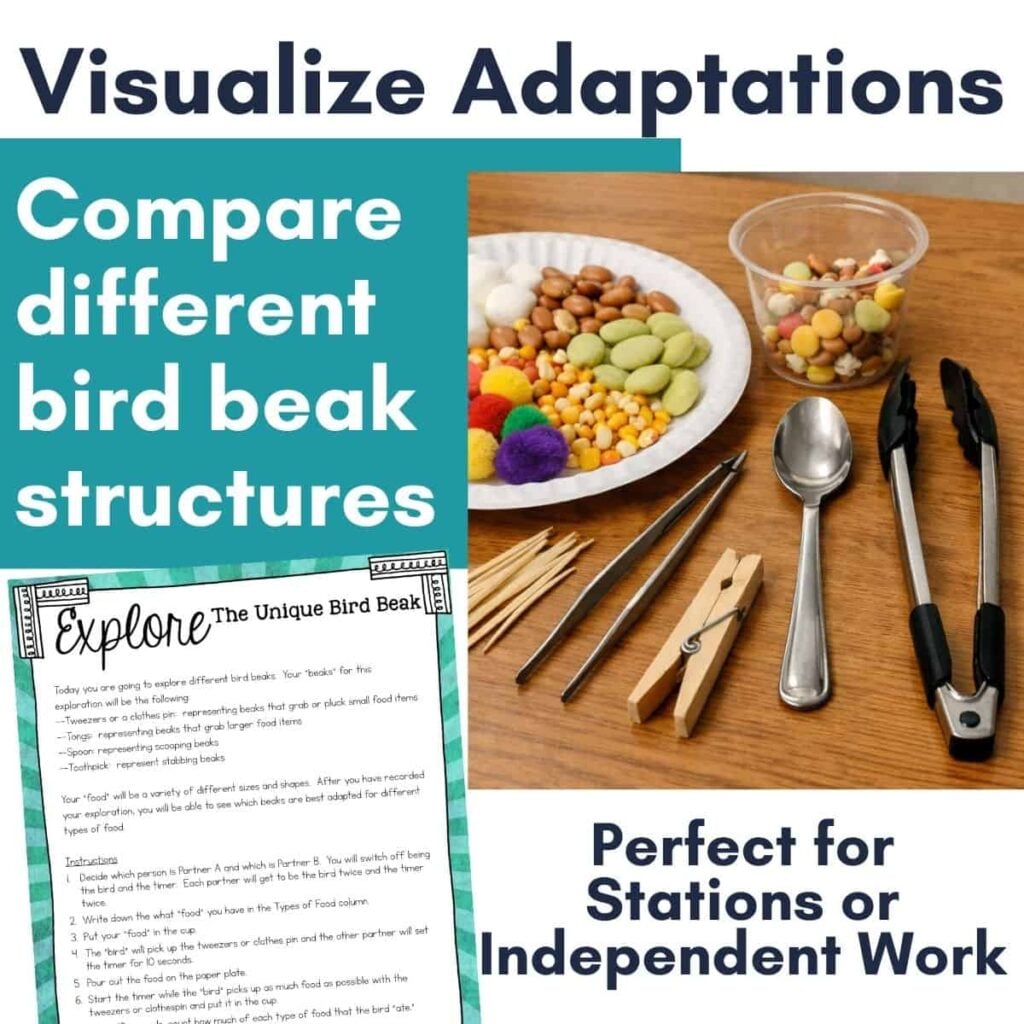
In this bird beak worksheet and experiment, students simulate several different bird beaks.
Tweezers or Clothespin
Represents birds that pluck small food items like insects or seeds.
Tongs
Models birds that grab larger food items.
Spoon
Represents birds that scoop food, similar to ducks.
Toothpick
Represents birds that stab prey, like herons or egrets.
Students quickly notice that each beak works better for certain foods.
This leads to discussions about adaptations and survival.
Bird Beak Worksheet and Reading Passage
The activity begins with an informational text about natural selection and bird beak adaptations.
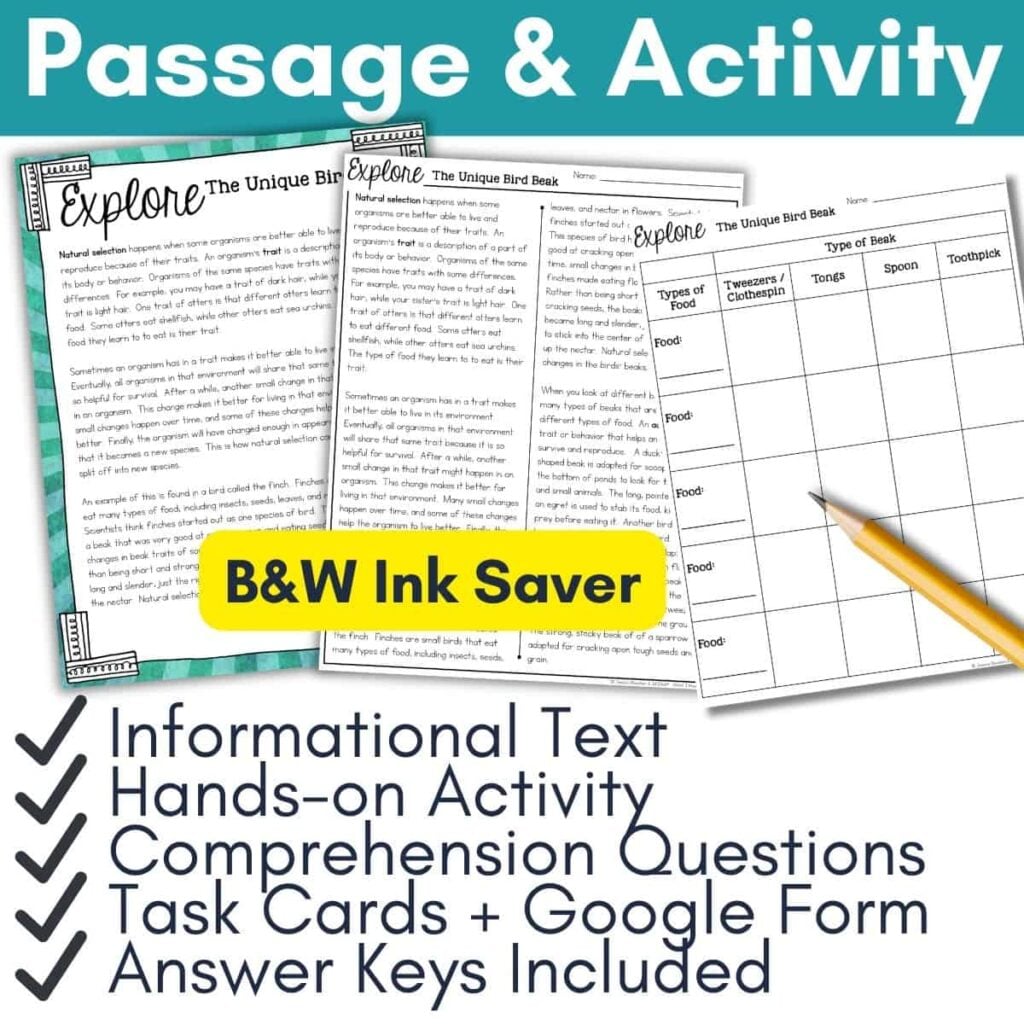
Students learn that:
- Traits are physical features or behaviors
- Adaptations help organisms survive
- Natural selection causes helpful traits to become more common
The passage includes examples of bird beaks adapted for different feeding strategies.
Students then answer comprehension questions about:
- Natural selection
- Adaptations
- Bird beak functions
- Finch evolution
This makes the activity strong for both science and reading comprehension.
Why Students Love This Bird Beak Lab
This activity works well in many classroom settings:
- Science stations
- Small group investigations
- Whole class science labs
- Independent work
- NGSS adaptation lessons
Teachers appreciate that the activity includes:
✔ Informational reading passage
✔ Hands-on investigation
✔ Data recording sheet
✔ Comprehension questions
✔ Task cards
✔ Google Forms option
✔ Answer keys
Students stay engaged while learning an important science concept.
Teaching Bird Beak Adaptations in Elementary Science
When students investigate bird beak shapes and adaptations, they begin to see how structure relates to function in nature.
Hands-on investigations like this make abstract ideas easier to understand.
Students move beyond memorizing definitions and begin asking questions like:
- Why do different birds have different beaks?
- Which foods are easiest for certain beaks to collect?
- How might birds adapt if their food source changes?
These discussions lead naturally into lessons about evolution and natural selection.
Try This Bird Beak Adaptation Lab in Your Classroom
If you are looking for a ready-to-use bird beak worksheet, reading passage, and hands-on bird beak experiment, this activity provides everything needed to run the investigation with students.
You can view the full resource and preview the materials here:
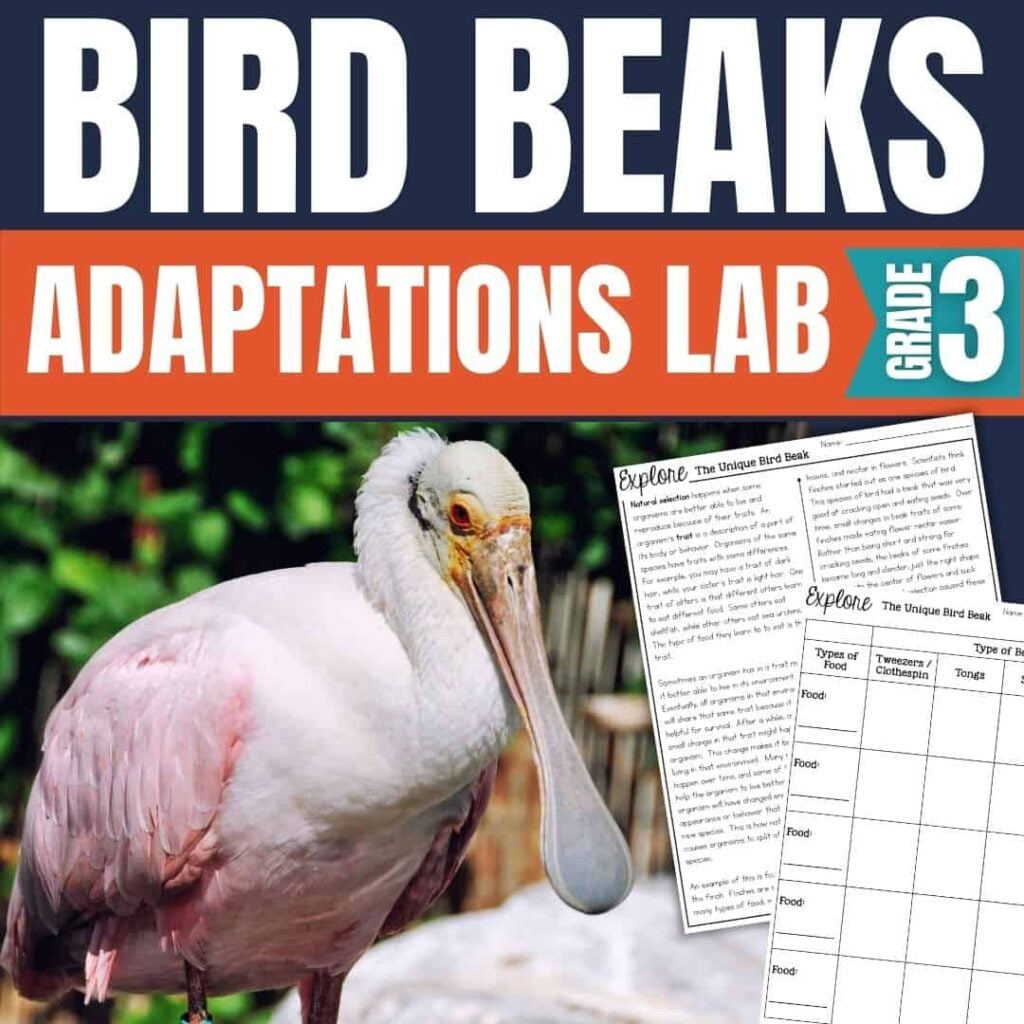
In this hands-on investigation, students explore how different bird beaks are adapted to different types of food, helping them understand how traits support survival in nature.
The resource includes both printable and digital options so it can be used for stations, independent work, or whole-class science lessons.
Studying bird beak adaptations gives students a clear example of how animals evolve to survive in their environments.
Through reading, investigation, and data collection, students can observe how different bird beak shapes perform different functions.
Activities like this bird beak lab help students connect science concepts with real-world examples and build a deeper understanding of how adaptations work in nature.
FAQ: Common Student Misconceptions About Bird Beak Adaptations (NGSS)
Students often enter lessons about bird beak adaptations with ideas that seem logical but don’t reflect how evolution actually works. Addressing these misconceptions helps students better understand NGSS concepts related to natural selection and adaptations (3-LS3 and 3-LS4).
Jessica BOschen
Jessica is a teacher, homeschool parent, and entrepreneur. She shares her passion for teaching and education on What I Have Learned. Jessica has 16 years of experience teaching elementary school and currently homeschools her two middle and high school boys. She enjoys scaffolding learning for students, focusing on helping our most challenging learners achieve success in all academic areas.