Second Grade Teaching Ideas
Second grade is a year of strong academic growth. Students deepen their reading comprehension, begin writing organized paragraphs, strengthen problem-solving strategies in math, and develop more structured scientific thinking. Clear routines and explicit instruction help second graders build independence while continuing to solidify foundational skills.
This page brings together practical 2nd grade teaching ideas across reading, writing, math, science, seasonal learning, and classroom routines to support thoughtful, rigorous instruction throughout the year.
Reading Instruction in Second Grade
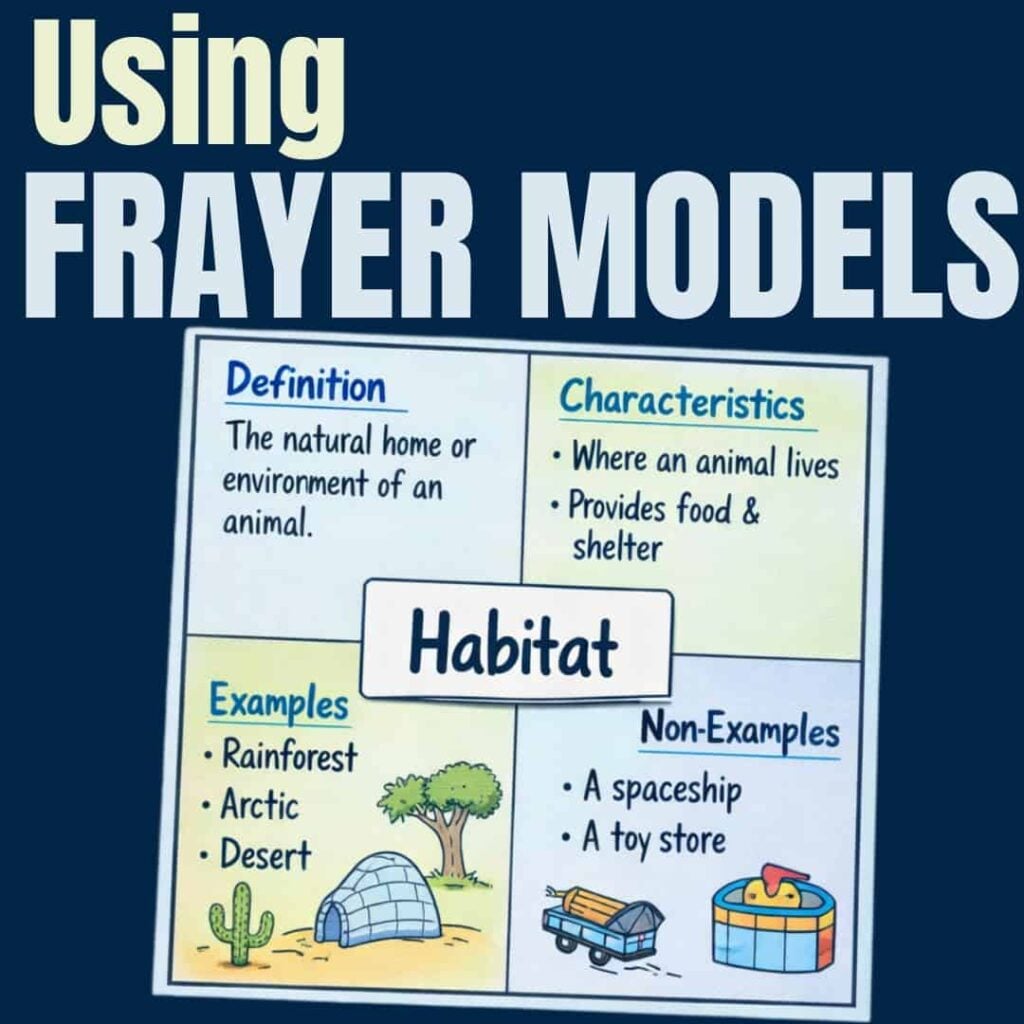
Second-grade readers are making an important shift from decoding text to truly understanding it. While many students are becoming more fluent, they still need explicit instruction in comprehension strategies, vocabulary development, and text features. This is the year when students begin reading longer passages, answering deeper questions, and using evidence to support their thinking. The resources below support strong reading routines while continuing to build foundational skills.


Writing Instruction in Second Grade
In second grade, writing moves beyond simple sentences and into organized paragraphs with clear structure. Students learn how to introduce a topic, develop ideas with details, and bring their writing to a thoughtful close. Whether teaching opinion, informational, or narrative writing, second graders benefit from modeling, sentence frames, guided practice, and consistent writing routines. These writing ideas help students grow as confident, capable communicators.



Math Strategies for Second Grade
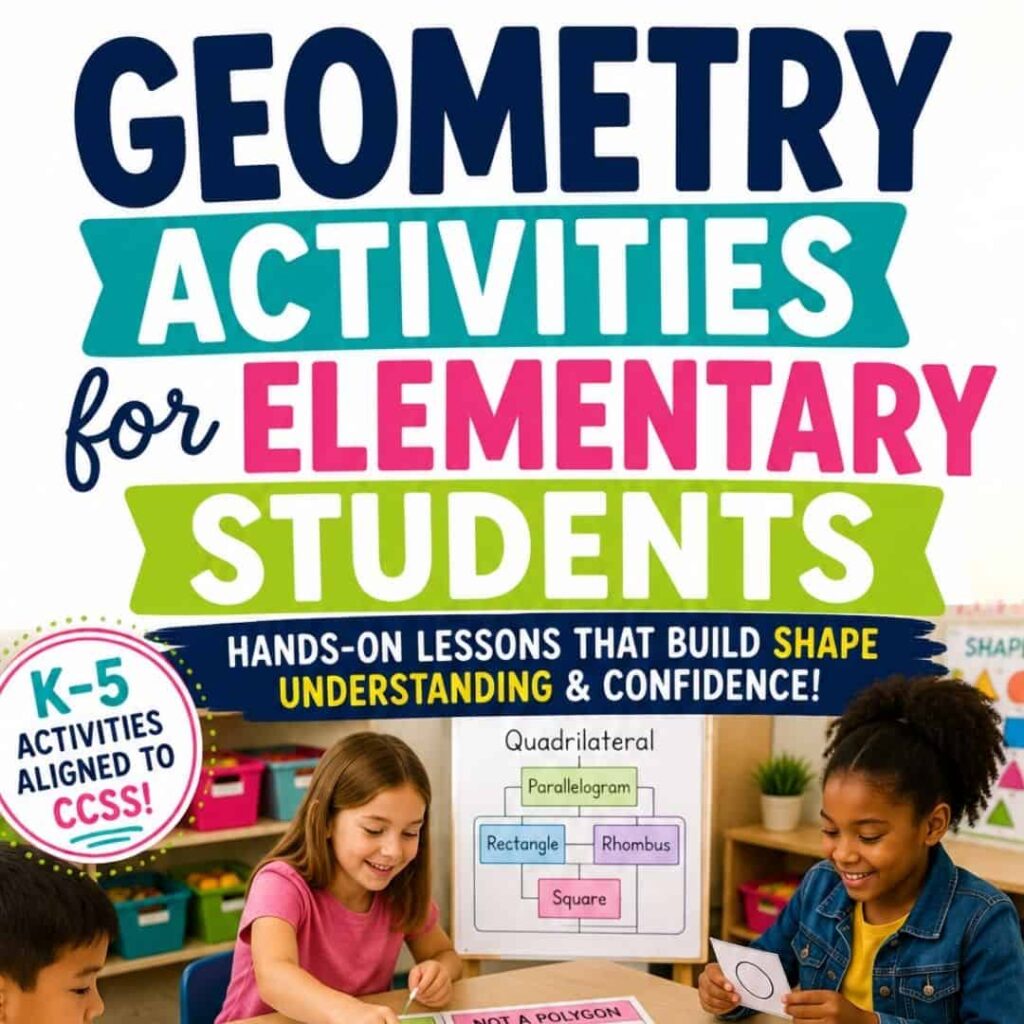
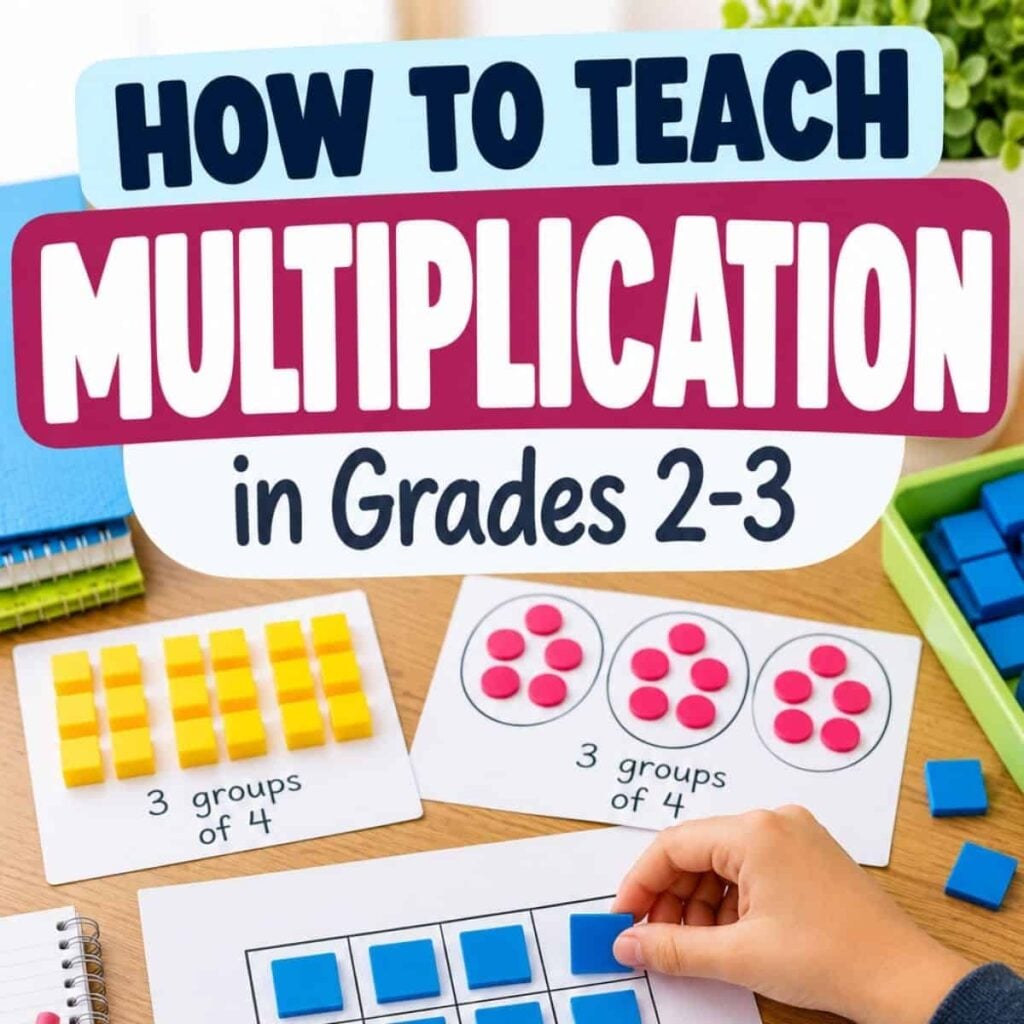
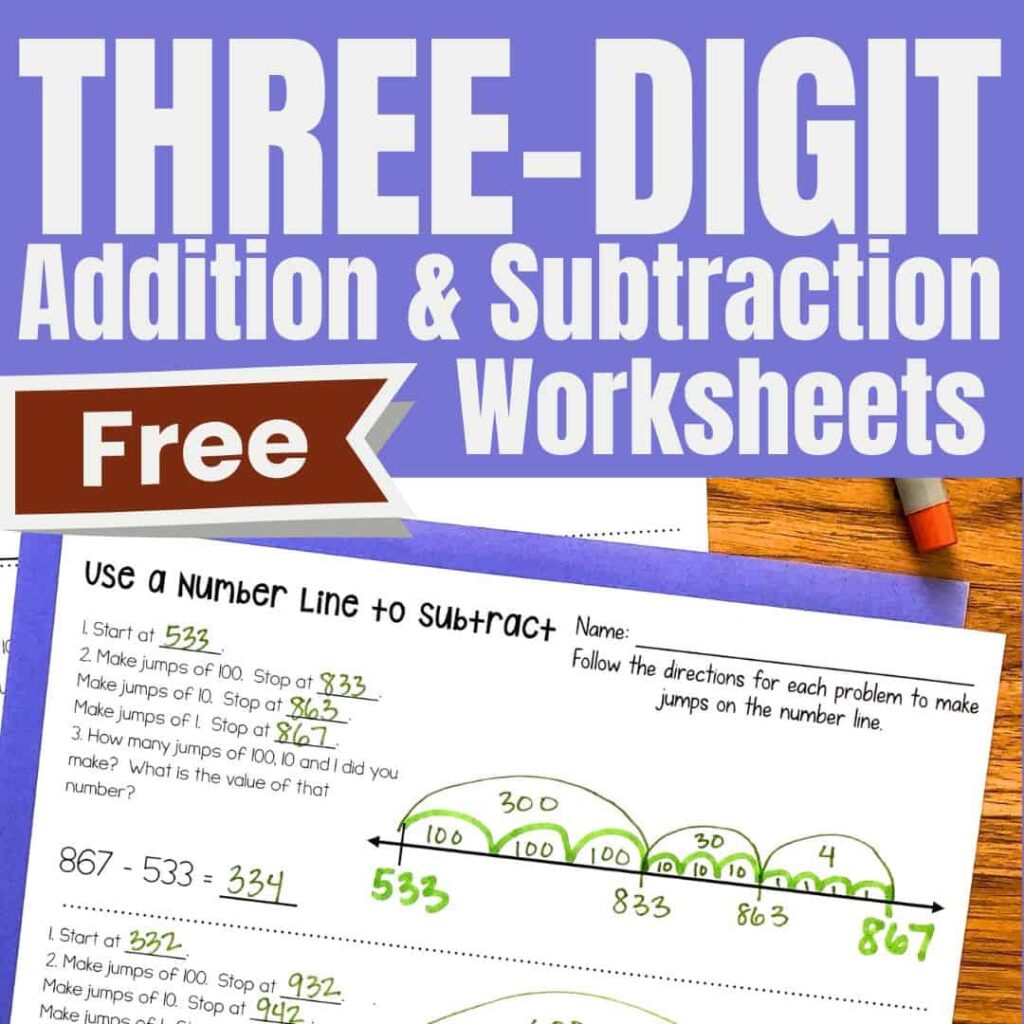
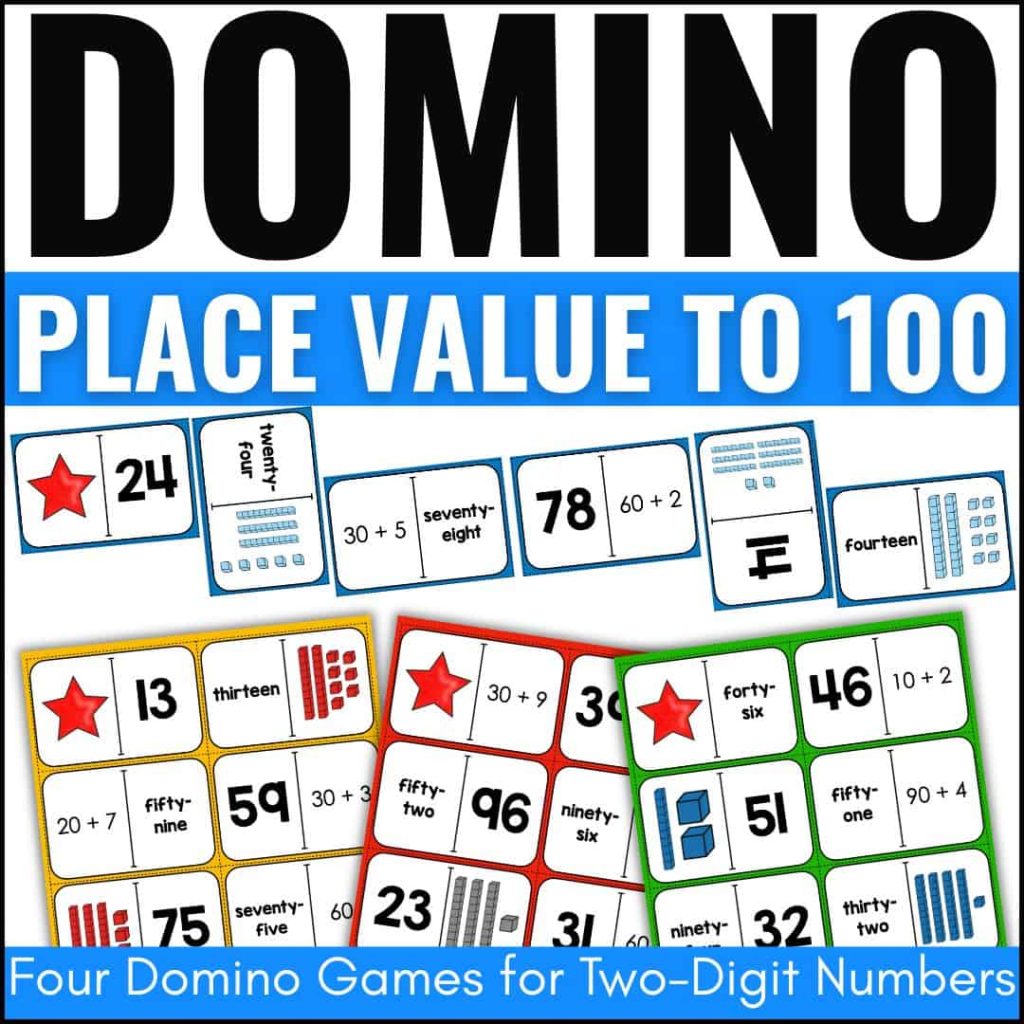
Second grade math focuses heavily on place value, addition and subtraction strategies, and solving multi-step word problems. Students begin to explain their thinking, use visual models, and apply strategies flexibly. Clear instructions and repeated exposure to problem-solving routines help students build accuracy and confidence. The math resources below support conceptual understanding while strengthening procedural fluency.
Science in Second Grade
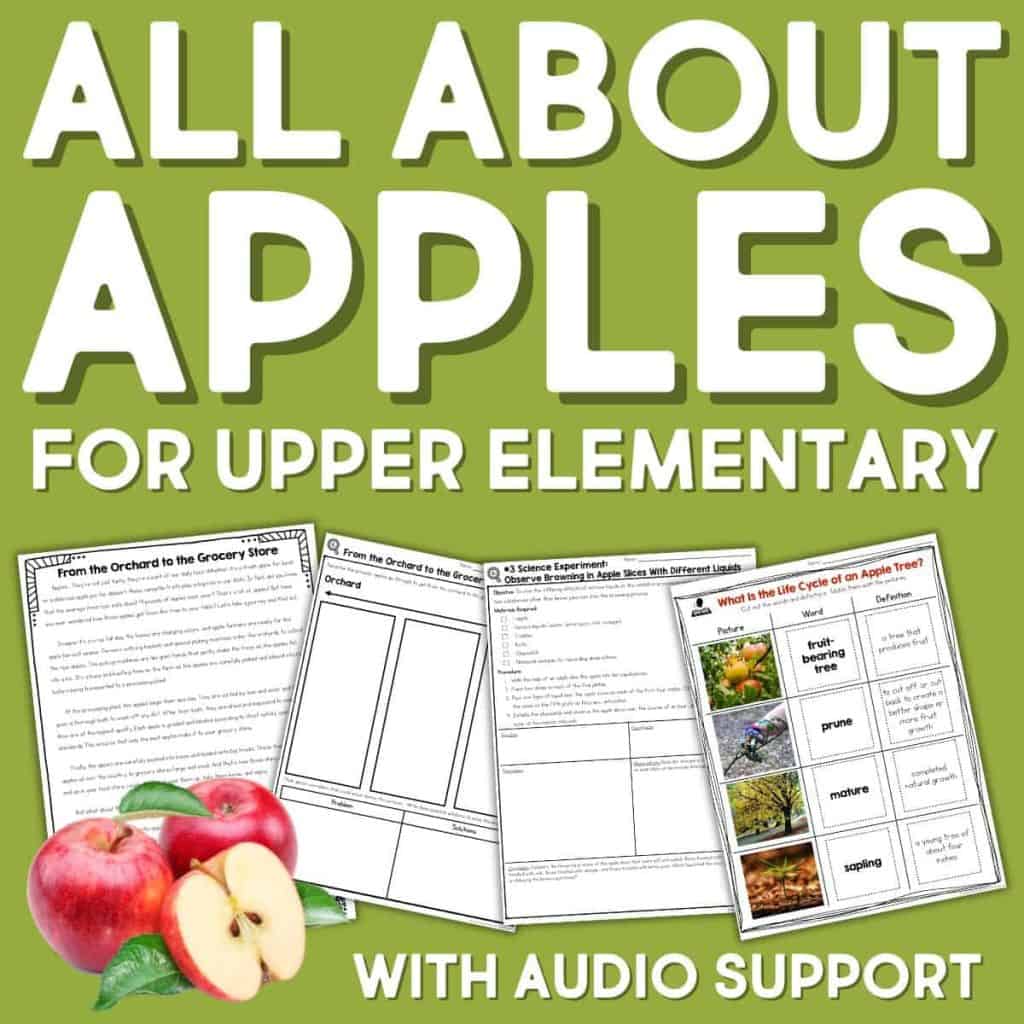
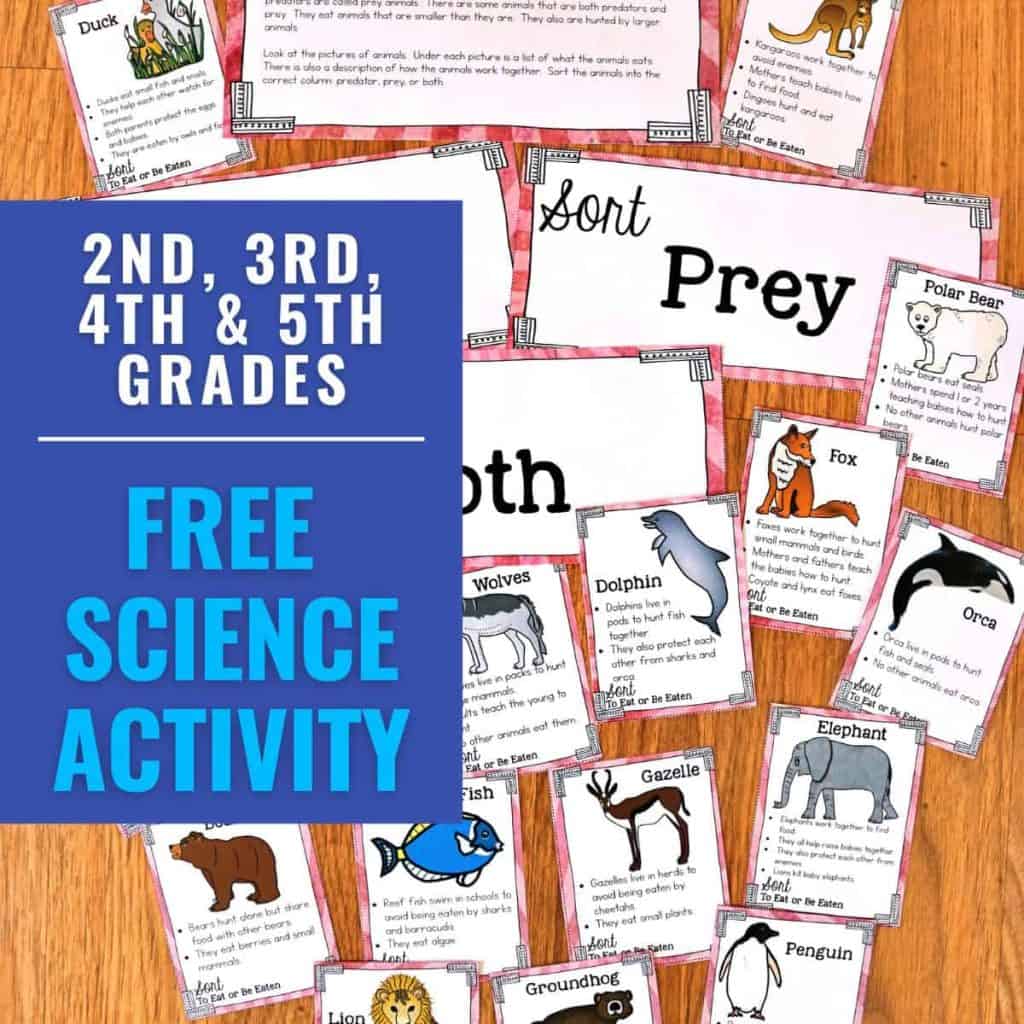
Second graders are naturally curious and ready to explore scientific ideas more deeply. This is the year to strengthen observation skills, introduce simple investigations, and guide students in explaining their thinking using evidence. Hands-on experiences paired with structured discussion help students develop foundational scientific reasoning. The science ideas below support inquiry-based learning while keeping concepts clear and accessible.

Seasonal Activities for Second Grade
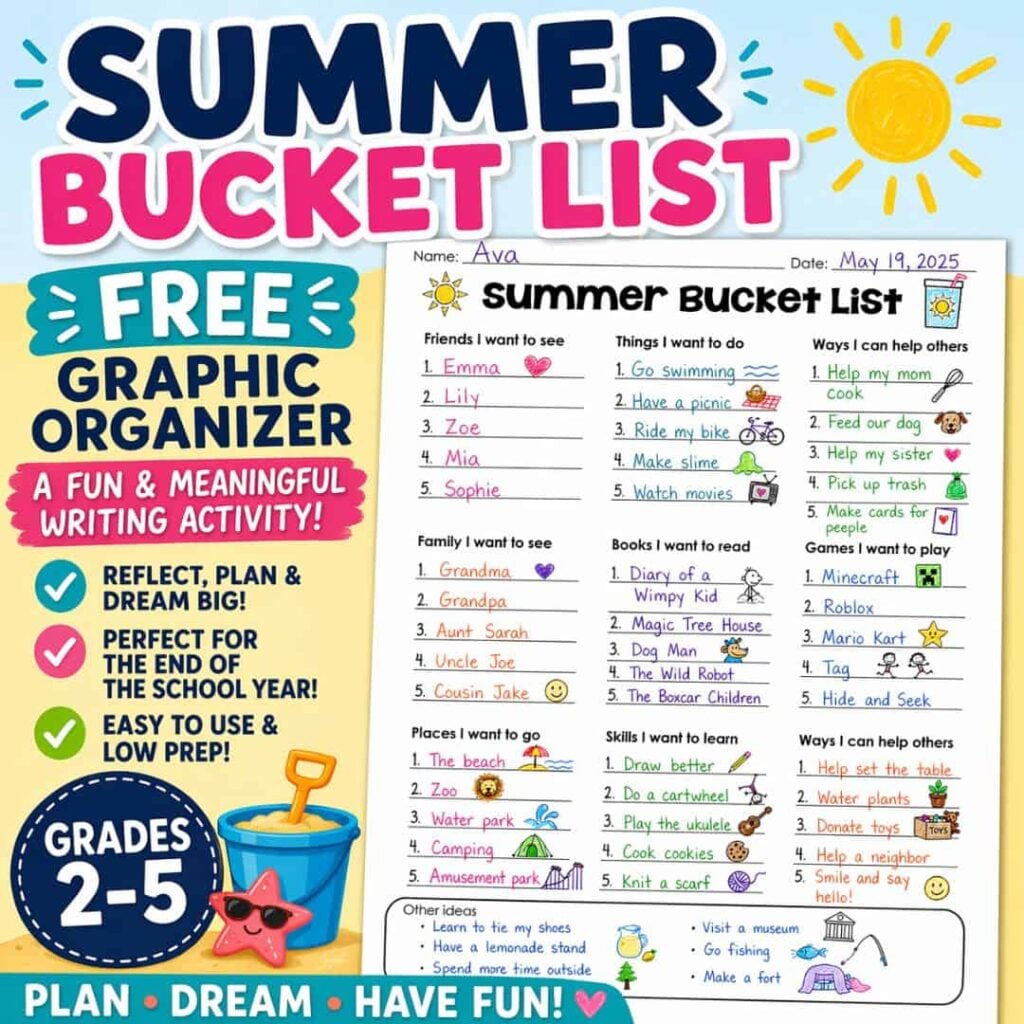
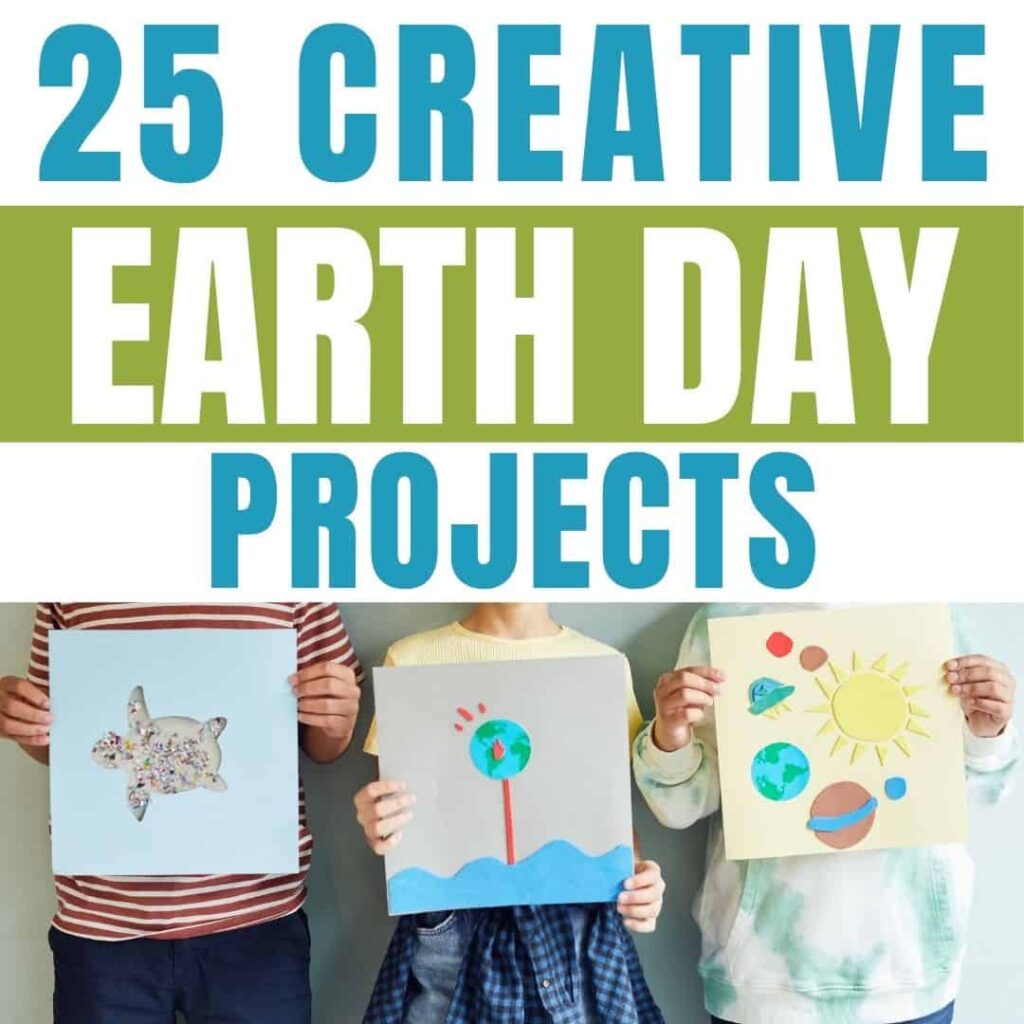
Seasonal activities can provide meaningful opportunities to reinforce academic skills while connecting learning to students’ experiences throughout the year. Whether planning back-to-school routines, winter science explorations, or end-of-year reflection projects, seasonal lessons can strengthen reading, writing, math, and science instruction. These curated seasonal ideas are aligned to second-grade expectations while keeping engagement high.


Classroom Routines & SEL in Second Grade
Second graders thrive in structured environments that promote responsibility, independence, and collaboration. Clear routines, goal-setting practices, and social-emotional learning support academic growth while building classroom community. The ideas below focus on practical strategies that help students develop positive habits, strengthen self-regulation, and contribute to a supportive learning environment.