Land and Water Habitats Sort for Second Grade NGSS
Teach students about plant and animal habitats with a Land and Water Habitats SORT! This sort is aligned with the Next Generation Science Stations (NGSS) for Second Grade. In this…


Teach students about plant and animal habitats with a Land and Water Habitats SORT! This sort is aligned with the Next Generation Science Stations (NGSS) for Second Grade. In this…
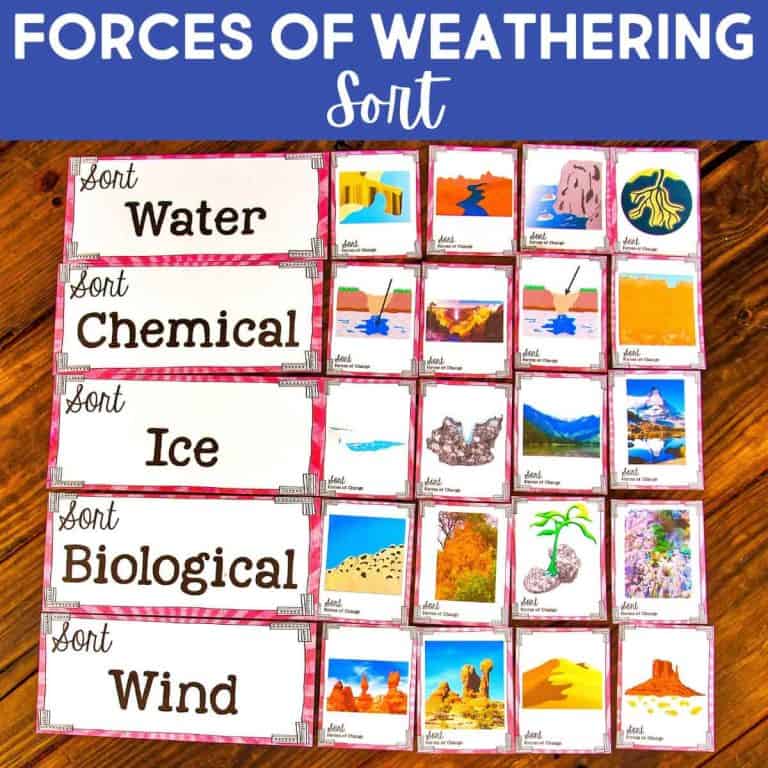
One of the best ways to know if students truly understand a concept is to ask them to categorize it. That’s exactly what this Types of Weathering Sort Activity does….
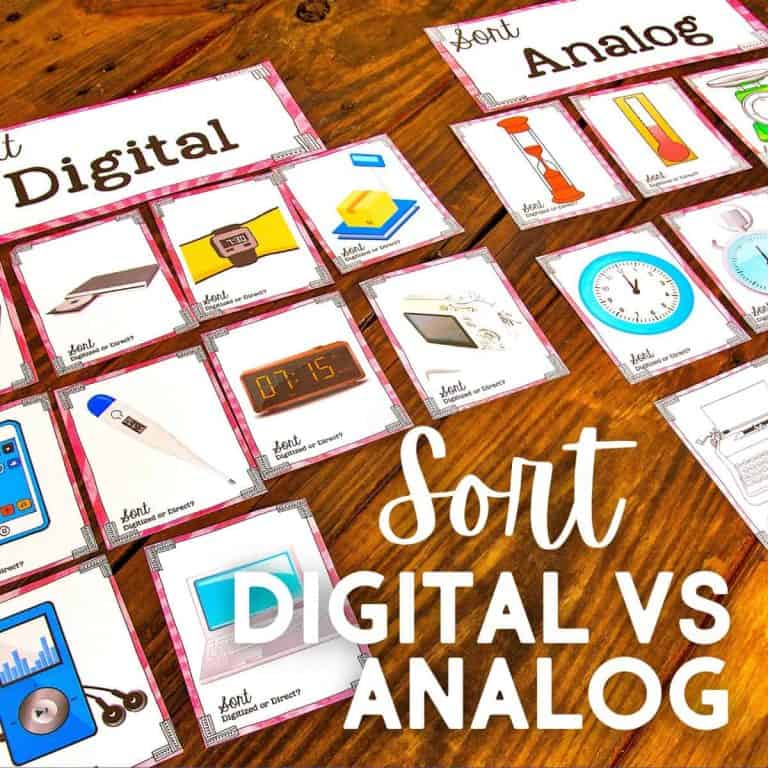
Teach students about technologies that use analog or digital representations to communicate with a SORT about Digital and Analog technology aligned with the Next Generation Science Stations for Fourth Grade….

Teach students about translucent, transparent, and opaque with a Properties of Light SORT aligned with the Next Generation Science Stations for Fourth Grade. In this station, students sort objects by…
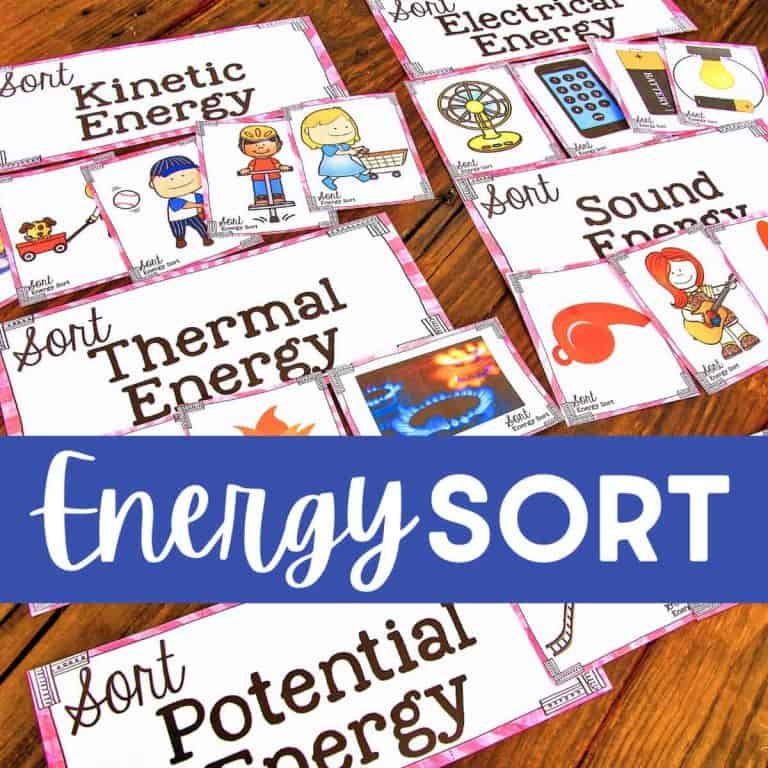
Teach students about different types of energy with a Forms of Energy SORT aligned with the Next Generation Science Stations for Fourth Grade. In this station, students will sort the…
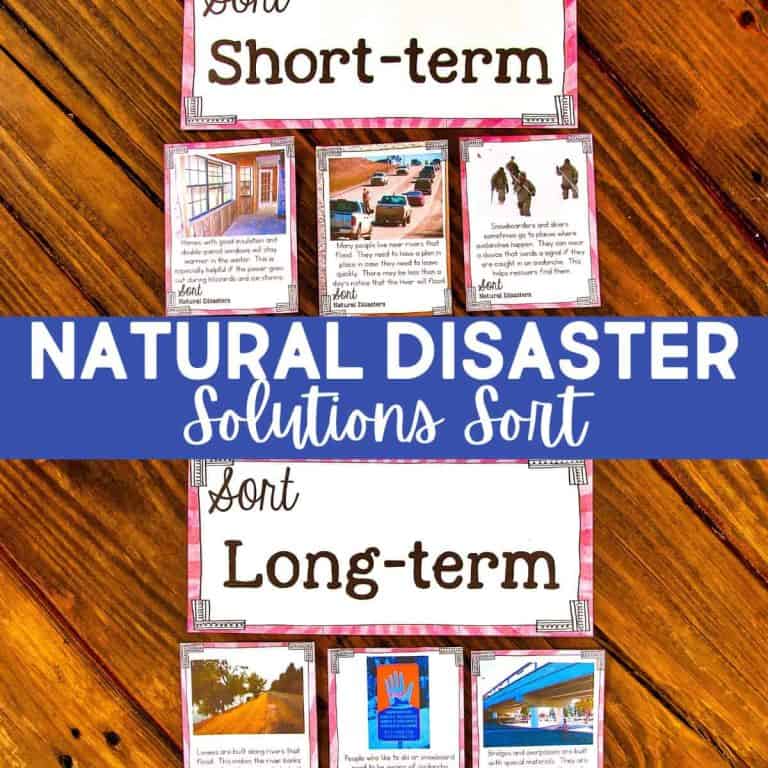
Teach students about short and long-term solutions to natural disasters with a SORT about Solutions to Natural Disasters aligned with the Next Generation Science Stations for Fourth Grade. In this…
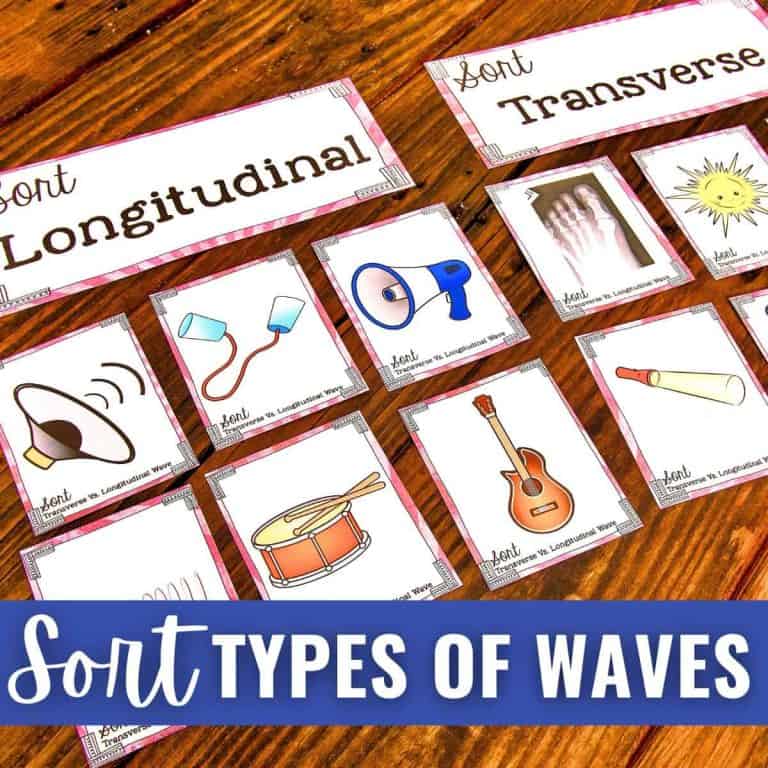
A types of waves sort gives 4th graders a hands-on way to learn the difference between transverse and longitudinal waves — one of the more abstract concepts in the 4th…
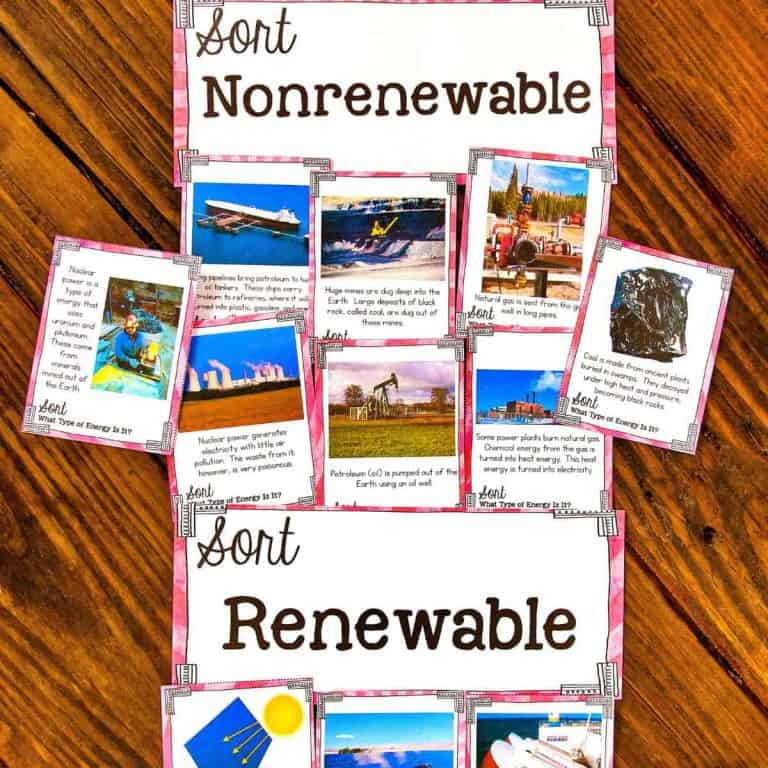
Teach students about different types of energy with a Renewable and Nonrenewable Resources SORT aligned with the Next Generation Science Stations for Fourth Grade. In this station, the sort cards…
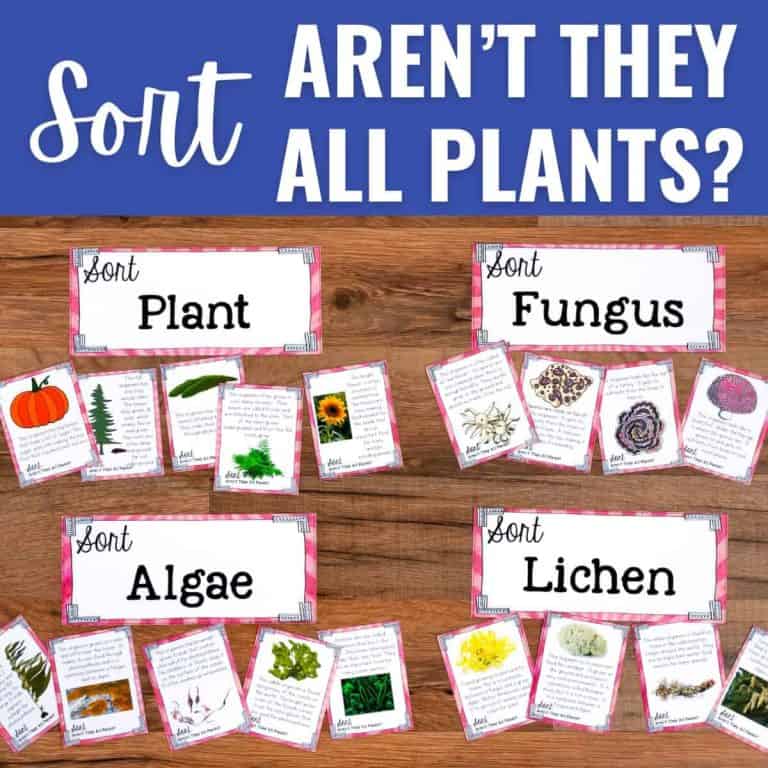
Teach students about fungus, lichen, algae, and plants with a SORT about identifying Plants and Organisms aligned with the Next Generation Science Stations for Fourth Grade. In this station, students…
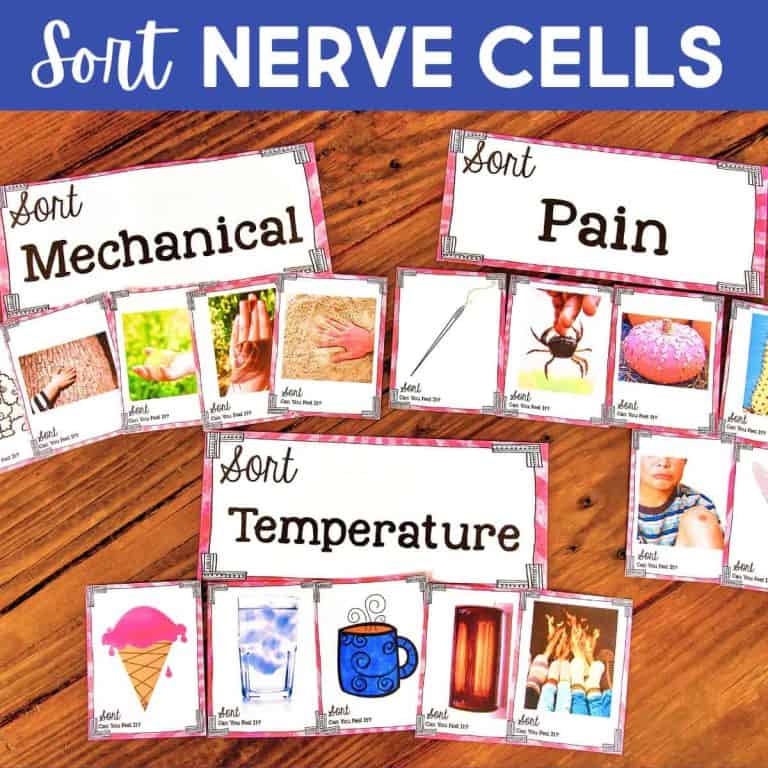
Students can explore how their bodies interpret the world around them by exploring the nervous system and nerve cells. Specifically, by examining nerve cells related to mechanical senses, pain, temperature,…
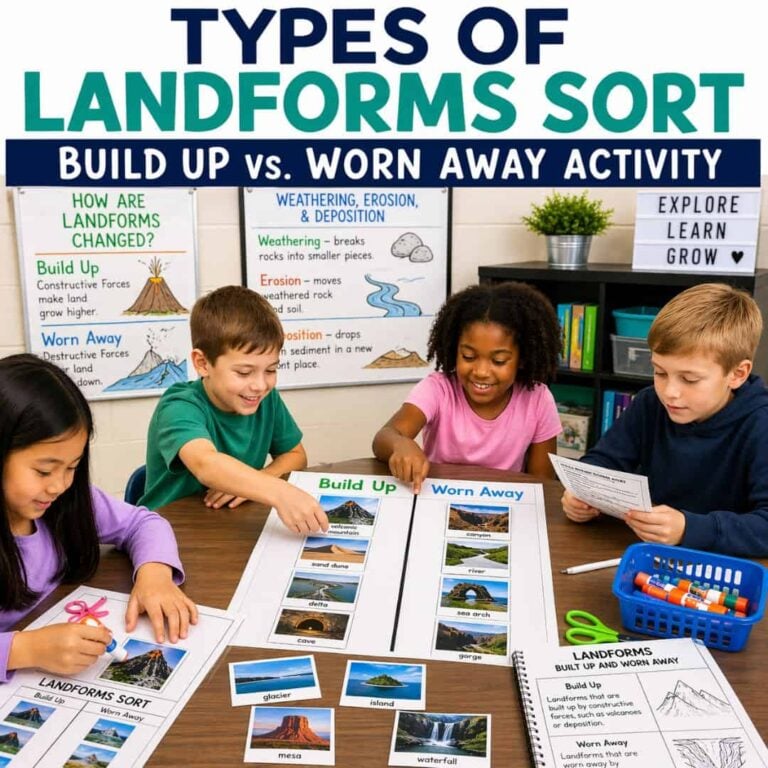
Teaching second graders about weathering and erosion can feel abstract — until students are physically holding cards showing the Grand Canyon, Mount Everest, and a river delta, deciding for themselves…

Teaching students about reversible and irreversible changes is an important part of elementary physical science. Students begin to understand that some changes to materials can be undone, while others create…
End of content
End of content