States of Matter: Solids, Liquids, and Gases for Kids
An ice cube, a glass of water, and the steam off a hot cup are all the same stuff in three different forms. That’s the whole idea behind the states…

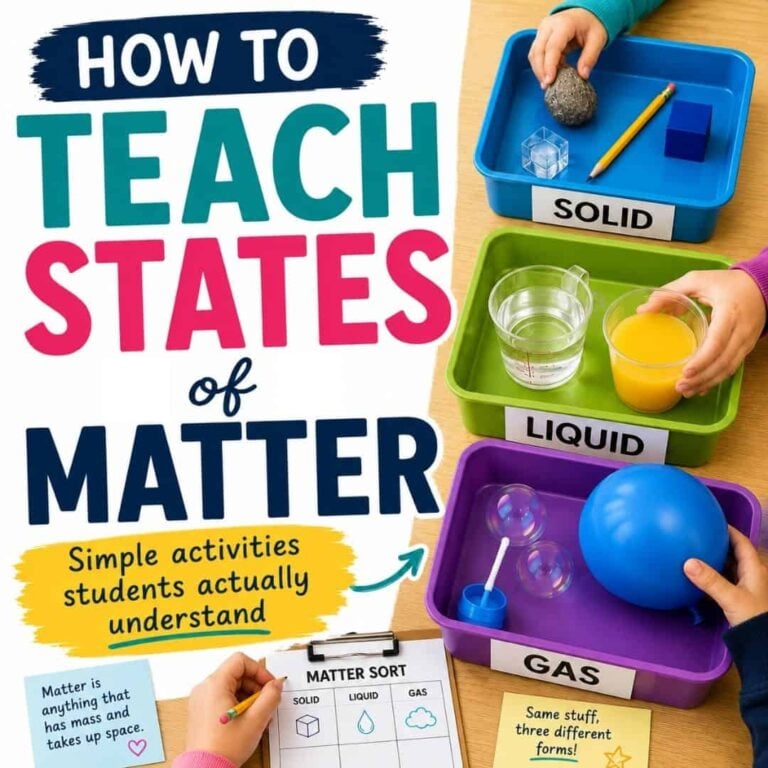
An ice cube, a glass of water, and the steam off a hot cup are all the same stuff in three different forms. That’s the whole idea behind the states…
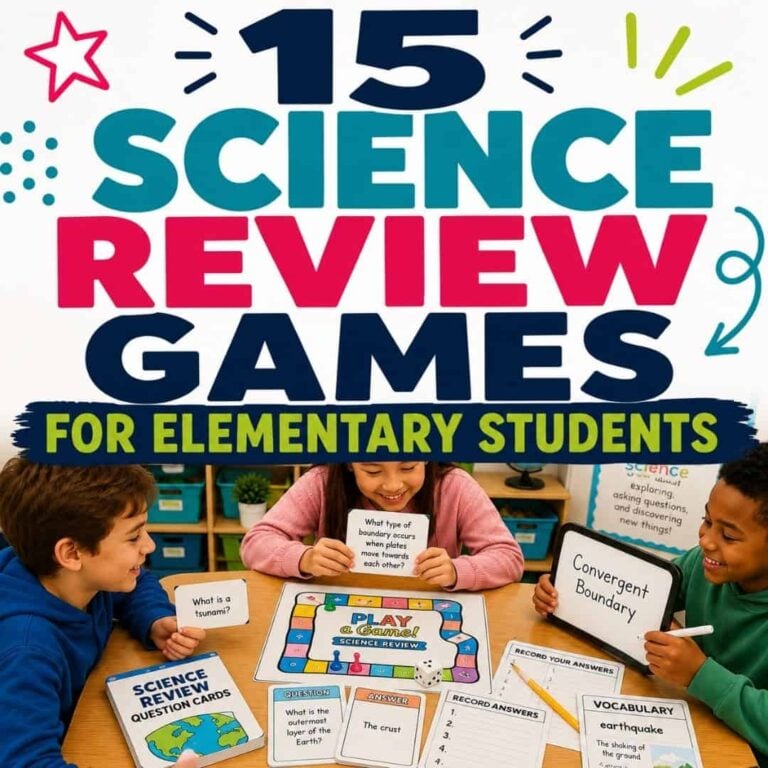
Science review games give elementary students a reason to actually think through what they’ve learned, and they work far better than another round of worksheets. Whether you’re wrapping up a…
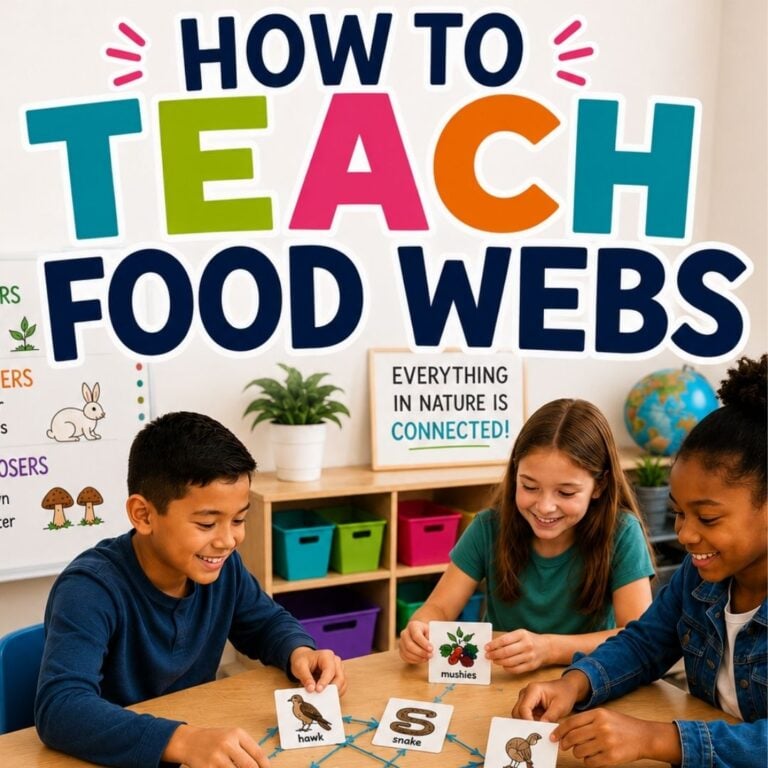
Food chains and food webs are one of those topics that sound simple on the surface but become more complex as students move through the grade levels Students encounter the…
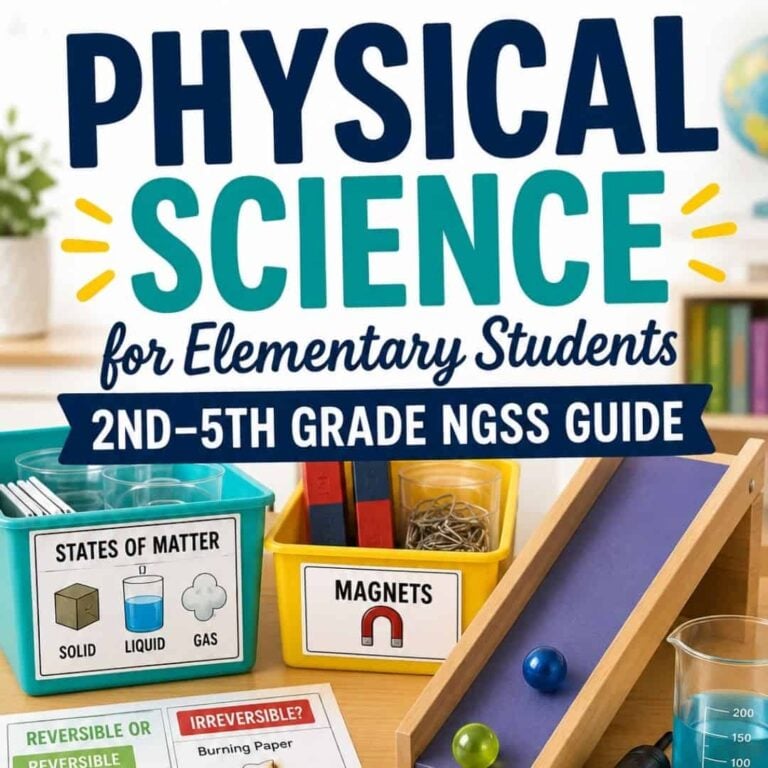
Physical science is where students first realize that science isn’t just about living things. It’s also about the stuff that makes up everything around them and how that stuff moves,…
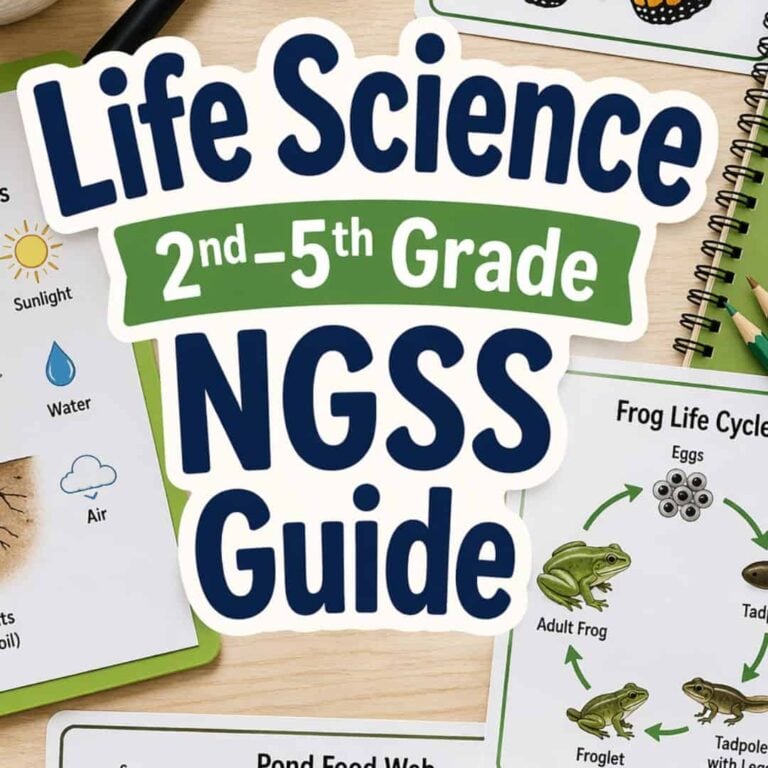
Life science is the content area where students realize that science isn’t just something that happens in a lab. It’s happening all around them, in every living thing they encounter….
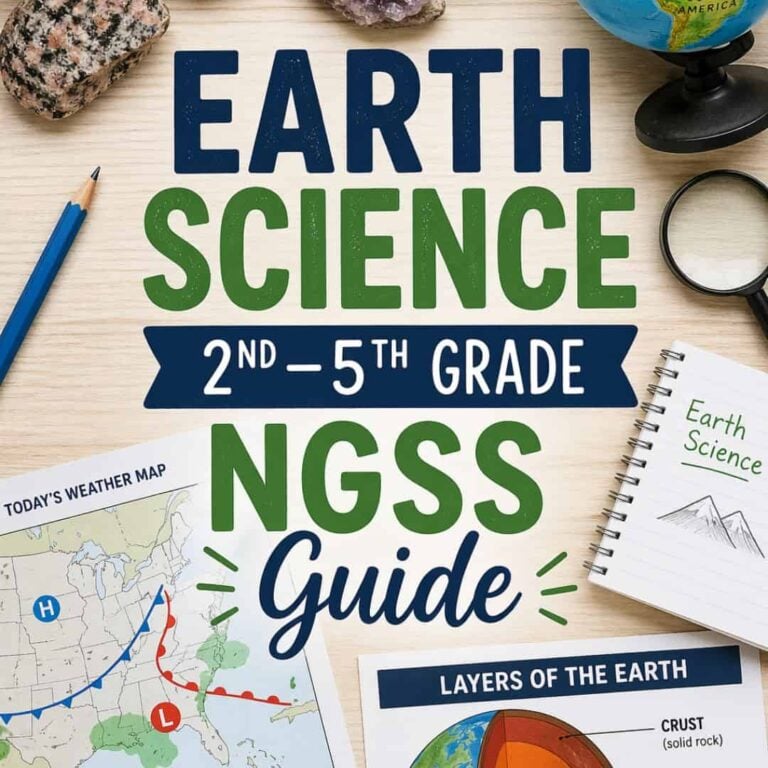
Earth science is one of those topics that feels enormous on paper but becomes immediately concrete the moment students pick up a rock, watch water carve a path through sand,…
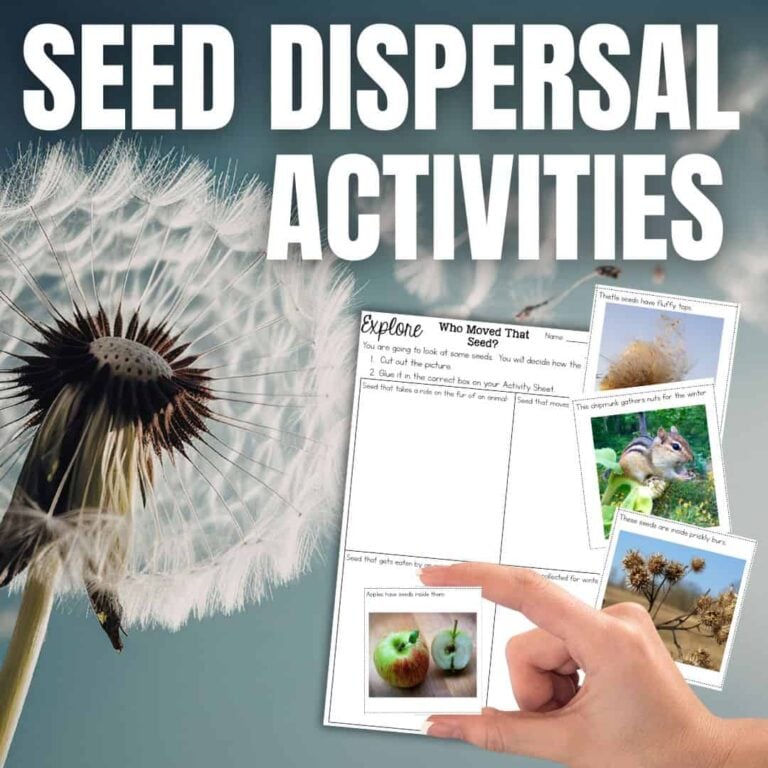
Seed dispersal is one of those plant science topics where students make a surprising number of prior-knowledge connections. They’ve seen dandelion fluff, found burrs on their socks, and watched squirrels…
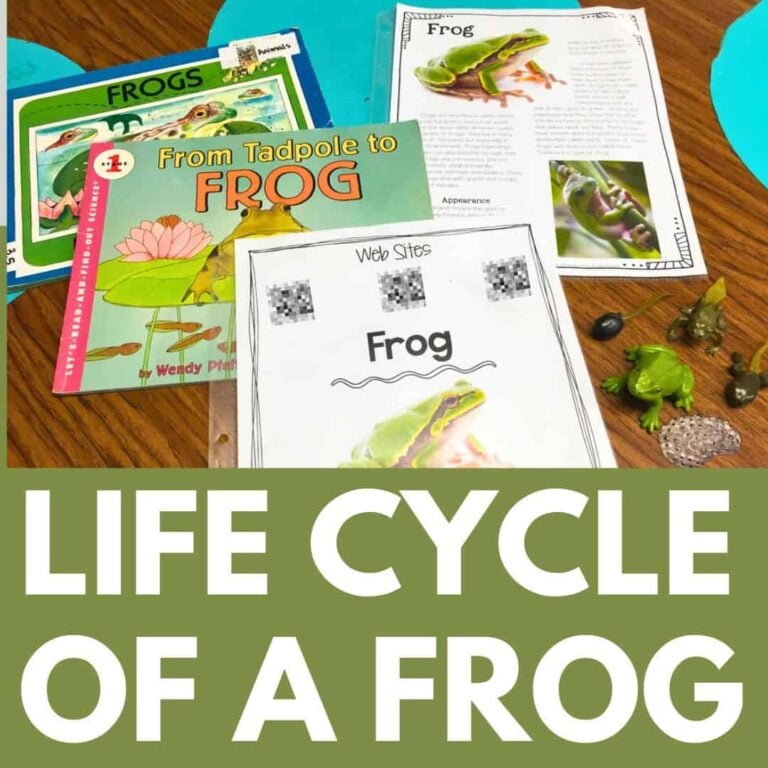
If you’re teaching the life cycle of a frog, you know it’s one of the most engaging science topics in elementary classrooms. Students are fascinated by how a tiny egg…
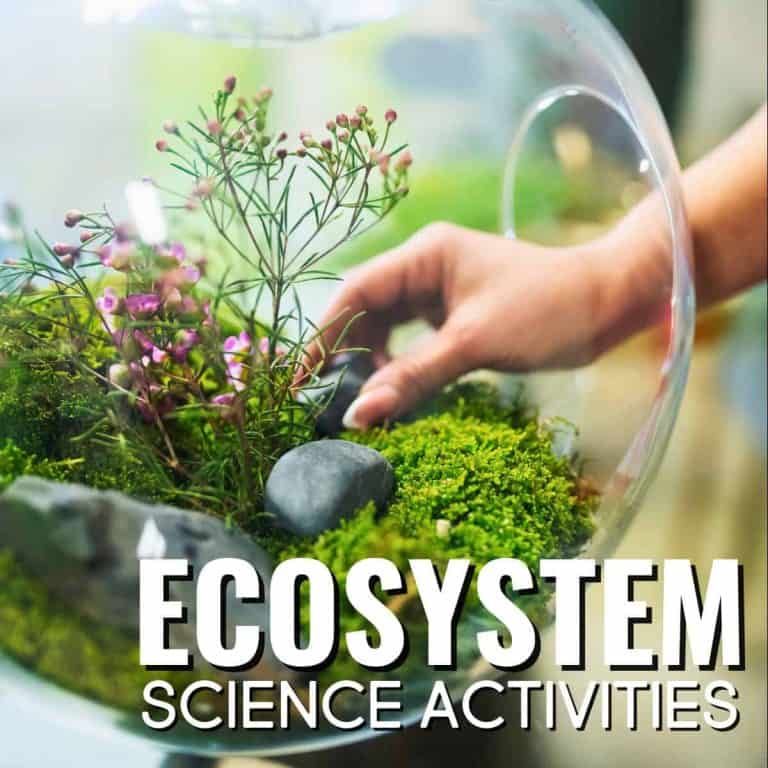
If you’re looking for fun and engaging ecosystem activities to teach your students about food webs and food chains, then you’ve come to the right place! In this blog post,…

Teach students about plant and animal habitats with a Land and Water Habitats SORT! This sort is aligned with the Next Generation Science Stations (NGSS) for Second Grade. In this…
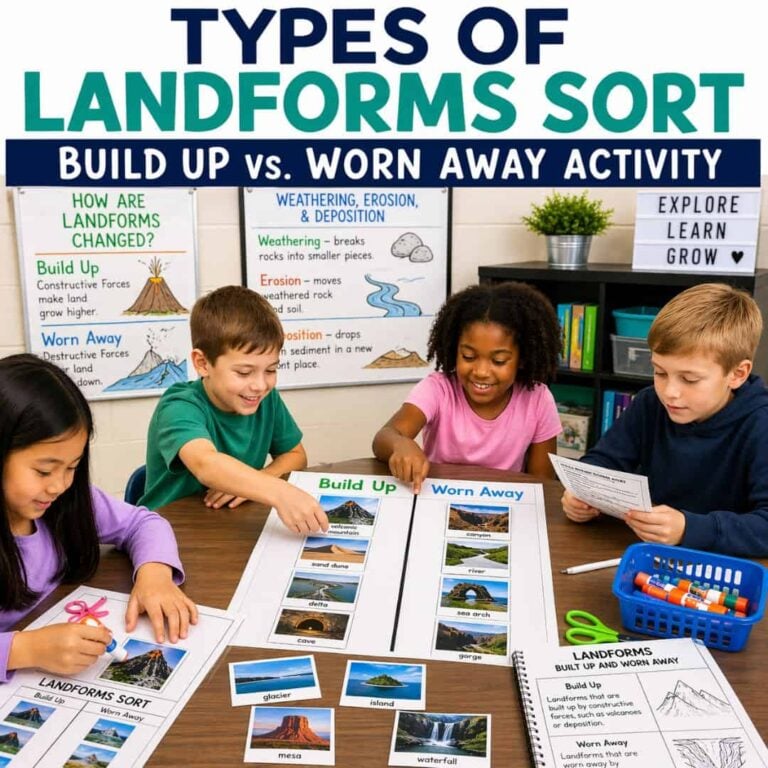
Teaching second graders about weathering and erosion can feel abstract — until students are physically holding cards showing the Grand Canyon, Mount Everest, and a river delta, deciding for themselves…

Teaching students about reversible and irreversible changes is an important part of elementary physical science. Students begin to understand that some changes to materials can be undone, while others create…
End of content
End of content