
Motivating Reluctant Readers: 16 Classroom Strategies

Motivating reluctant readers is one of those challenges that comes up in almost every elementary classroom. A student sits during independent reading time staring at the page, or picks the same easy book again to avoid the effort of something new. Finding what clicks takes time, and there is no single strategy that works for every child.
I have faced this both as a teacher and as a parent. In this post, I am sharing 16 strategies that have worked in my classroom and in my home, for students and kids at different reading levels and with different reasons for not wanting to pick up a book.
Reading Isn’t Easy for Many Students, Including My Own Kids
This love of reading doesn’t come naturally or easily to everyone. Learning to read can be an intimidating task. Students may become shy, reserved, or reluctant to read when they lack confidence in their reading skills.
My own kids struggled with being motivated to read books. My oldest has profound dyslexia. Reading is hard for him, so we fostered a love of stories through audiobooks.
It took my youngest longer to fall in love with reading than I expected as well. Through these challenges, we found ways to foster a love of stories and ensure they had access to good books using some of the strategies in this post.
While the reality is that students learn to read at different rates, everyone should practice the skills to become a better reader.
What do you do when students don’t want to read?
Reluctant readers can be of different ages and at varying reading levels. English language learners and students struggling with speech or phonics may require more confidence than readers who have cultivated it gradually.
Besides these challenges, maintaining a student’s general interest in reading over time can also be challenging.
16 Tips to Motivate Reluctant Readers
Ideas like integrating technology and personal interests, creating cozy reading nooks, and incorporating real-life connections will equip you to improve reading skills and foster a lifelong love of reading in your students.
They will motivate your reluctant readers and help them acquire more interest in reading.
Give Students Choice
Allow children to choose books based on their interests. Whether they love dinosaurs, space, fantasy, or mystery, reading about what they love can encourage students to read more broadly.
This is sometimes difficult when working with school curricula, but allowing students to choose which book they read makes a huge difference. When students are interested in what they are reading, the motivation is naturally there.
Provide Reading Challenges and Rewards
Incorporating extrinsic motivation can be beneficial. Similar to any skill, reading improves with consistent practice and dedication. Developing reading games or challenges can gradually enhance students’ interest in reading.
Organize reading challenges with small rewards. This could be as simple as creating a sticker chart. Students can earn a sticker for every book they read and a reward once they reach a certain number of stickers.
Read Books from Different Genres
Engaging with various genres when reading can significantly enhance students’ enjoyment of the activity. By exploring different types of books, students can develop a broader perspective, improve their comprehension skills, and discover new interests, ultimately fostering a deeper appreciation for the world of literature.
Consider Using Graphic Novels and Comics
Introduce graphic novels and comics, which can be particularly appealing due to their visual nature. They can help bridge the gap for reluctant readers by providing visual context to the story.
My second graders LOVED graphic novels. I bought all I could find, even ones with simple text. I also wrote some Donors Choose projects for high-quality hardback graphic novels.
Toward the end of the school year, a few boys in my class fell in love with joke books. I’d watch them smile during silent reading time and knew they had connected with the genre.
While I gave students a choice when filling out their book boxes for independent reading time, they needed free choice during our small group instruction.
Create a System to Record the Genres Students Read
Encouraging students to track the genres they read can motivate them to explore a variety of books. Consider implementing a straightforward bingo card featuring diverse genres or a more intricate system.
I developed a system where students would fill out a strip of paper each time they finished reading a book, creating interconnected rings of books that form a chain. These rings were suspended from the ceiling, visually representing their progress throughout the academic year.
While some students found the challenge highly motivating, others engaged less. Despite being a voracious reader, one boy did not complete a single ring. Recognizing his reading enthusiasm, I refrained from insisting he participate.
On the other hand, a different student thrived on the process, demonstrating exceptional commitment by accumulating 60 rings by year-end. She was one of my lowest readers.
Read Book Series
Encouraging students to explore book series or books by the same author can significantly enhance their reading motivation. Once a child finds a book or author they like, encourage them to read more books in the same series or by the same author.
Familiarity with the characters or writing style can make reading more appealing and build anticipation for the story to continue, creating a more engaging experience.
This is how our boys got hooked on reading. They fell in love with the characters and style of writing and devoured all the books written in a series or by particular authors. My boys still go back and listen to some of these audiobooks. For them, it was about connecting with the characters and story.
Do Author Studies
Like book studies, consider creating author studies where the class explores several works by the same author, learning about their writing style, themes, and influences. This deepens reading comprehension and introduces younger students to literary analysis.
Create a Cozy Reading Space
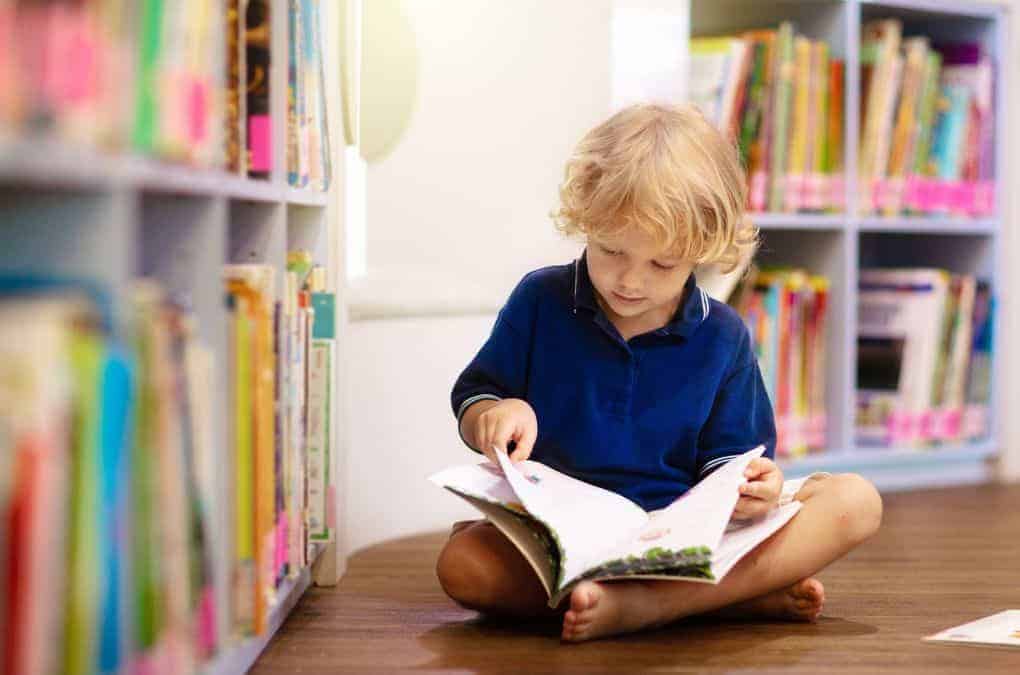
Creating a comfortable reading area can help students associate reading with a positive environment.
I still like to get comfortable before I settle down with a good book, and I bet you do, too! Usually, I’m reading in a reclined position on the couch or in bed.
Do you allow students the freedom to get comfortable?
In my classroom, students could sit anywhere they wanted to, as long as they weren’t sitting near friends. Most choose to sit on the floor. If students were repeatedly unable to make good choices about where to sit, they sat closer to my reading table so I could easily keep an eye on them.
You could even elicit student input about designing the reading corner to create student buy-in.
Provide Books at a Variety of Reading Levels
Providing students with various books at different reading levels is a great way to facilitate student choice in the elementary classroom. Students have different levels of reading ability, so it’s important to ensure enough books meet their individual needs and interests.
By having a range of book levels available, students can choose books that are not too easy or difficult but are just right for them. This approach encourages students to read more regularly, as they are more likely to enjoy reading when they read books that aren’t too far above or below their reading level.
Rotate the Books in Your Reading Library
Book lovers always appreciate discovering new reads. For a well-stocked classroom library, think about rotating books. Store some away and introduce fresh ones gradually throughout the year to ensure your library stays fresh for students.
Incorporate Multisensory Approaches
Reading doesn’t have to be a purely visual activity. Incorporating audiobooks and following along in the printed book can also engage the auditory senses, enhancing comprehension and fluency.
This multisensory approach can be particularly beneficial for students who struggle with reading or have different learning styles.
Read Aloud Chapter Books
Spend time reading aloud chapter books to students encouraging them to read along with you. This models fluent reading and allows them to enjoy stories above their independent reading level. It also introduces students to new authors and genres they might not be exposed to otherwise.
I generally read a chapter book after recess or after lunch. It’s a great way to calm students down after an activity. Students would beg me to read the following chapter to discover what happened next!

Connect Reading to Real Life by Making Literature Relevant
Connecting a book’s themes, settings, or characters to real-life experiences can make reading more relevant and exciting for students. For instance, reading a book about space exploration can be paired with a visit to a planetarium, or a story about a historical figure can lead to a related museum visit.
These real-life connections help students see the value and applicability of reading in their everyday lives. Teachers and parents can facilitate discussions about how the themes of a book relate to the student’s own experiences, further deepening their engagement with the text.
Connect Literature to Content Area Learning
Likewise, consider reading books related to your social studies or science curriculum topics. If you’re doing a biography study, pull out some books about famous historical figures. If you’re studying about natural resources, read about how windmills work.

Leverage Social Influence with Peer Recommendations
Peer recommendations can be a powerful motivator for reluctant readers. Encourage students to recommend books to each other. Students who see their peers excited about a book or series are more likely to try it.
Creating a classroom culture where students feel comfortable sharing and recommending books to each other fosters a community of readers.
Organizing regular book talks or setting up a “recommended by classmates” bookshelf can encourage students to explore books they might not have picked up on their own. This strategy leverages the social dynamics of the classroom to promote positive, inclusive reading.
Facilitate Literature Circles or Book Clubs
Creating book clubs or literature circles based on students’ choices can naturally enhance participation. Assigning roles to students within these groups can boost their interest, giving them a purpose as they read.
Literature circles provide a structured and flexible approach, empowering students in their learning journey. Each student assumes a role in the group, leading discussions, summarizing passages, or exploring broader themes.
This method fosters active participation and engagement with the text, turning reading into a social and meaningful activity. Students deepen their understanding, enhance critical thinking, and refine communication skills through peer discussions.

Engage Families in Reading
Encouraging parents to read at home with their children, discuss books, and share their reading experiences can significantly impact a child’s reading habits. Parental involvement sends a message that reading is valued and important, reinforcing the efforts made in the classroom.
Teachers can facilitate this connection by providing book lists, organizing family reading nights, or sending home reading challenges that families can do together.
Regular communication about the child’s reading progress and achievements can motivate parents to participate actively in their child’s reading journey.
Enhance Access to Books for Students Through Library Visits
Organizing visits to the local library introduces students to a world of books beyond what’s available in the classroom or at home. Librarians can also offer book recommendations, organize story hours, and help students find books that match their interests and reading levels.
Getting a library card can be a significant milestone for a child. In second grade, we used to plan a grade-level field trip to the library. We took the city bus to the library. This field trip met both reading and social studies standards. We invited as many parents as possible and showed them how easy it was to get to the library. Each child got a library card, and families learned how valuable the library could be!
Getting their library card can be a significant milestone for a child, giving them a sense of independence and responsibility for their reading choices. Regular library visits encourage continuous exploration and discovery, reinforcing that reading is a lifelong adventure.
Implementing the above strategies will undoubtedly serve as a powerful motivator for your students, igniting a passion for reading within them. The ultimate aim is to cultivate an environment where reading is an enriching activity and a source of genuine pleasure and fulfillment for every learner in your classroom.

I am starting an after school club for students that are struggling in reading and I was drawn to this and found the information very helpful to spark some ideas. I am thinking of doing a book club type idea…any suggestions are welcome??
Depending on the grade level, a book club is a great idea! There are so many different ways you could approach this. I’d probably do small groups of students with books on the level of the readers in the group. Choose high interest text and have some sort of accountability and a structure for discussions. You’ll want to train students and create routine where students know the expectations and respect the other members of the group. Just a few ideas and suggestions to get you started.
We have a 100 Book Club in our 2nd grade.We are encouraging them to set a year long goal of reading up to 100 books and beyond. We set benchmark celebrations of 50( Bronze) , 75( Silver) and 100( Gold), and Beyond separate for additionally 50 , 75 and 100 increments beyond 100. The incentive is to encourage them to read and stretch for their goal . We ask them to get good fit books.
My question is …. do you have any suggestions on this ? We are always looking for ways to encourage readers to become voracious readers before they reach 3rd grade when they have to read to learn.
Suggestions for running the 100 Book Club? Beyond incentives at different intervals, I’d take a look at having students share books with each other, either do partner shares or share with the whole group. Basically, you want kids to fall in love with a book and encourage other students to read it, too. Some good books for that might be the Elephant and Piggie.