Strong classroom management strategies include both prevention and response. Prevention means teaching routines, practicing procedures, organizing materials, and building classroom community before problems start. Response means addressing behavior calmly and consistently when challenges arise. In elementary classrooms, both matter. A well-taught transition can prevent disruptions just as effectively as a thoughtful behavior plan can reduce repeated issues.
On this page, you’ll find classroom management resources organized into two key areas: classroom behavior and expectations, and classroom community and student engagement. Whether you’re preparing for the first week of school or refining systems mid-year, these ideas are designed to help you build a classroom that runs smoothly and supports every learner.
Classroom Behavior & Expectations
Clear expectations and consistent follow-through are the backbone of effective classroom management. In this section, you’ll find strategies for preventing disruptions, teaching procedures, responding to challenging behavior, and creating systems that help students understand what success looks like. When students know the routines and trust the structure, the entire day runs more smoothly.
Classroom Community & Student Engagement
Strong classroom management isn’t just about rules—it’s about relationships. These posts focus on building classroom community, strengthening social-emotional skills, and keeping students actively engaged in learning. When students feel connected and involved, behavior improves naturally and participation increases.
More Classroom Management Ideas
-
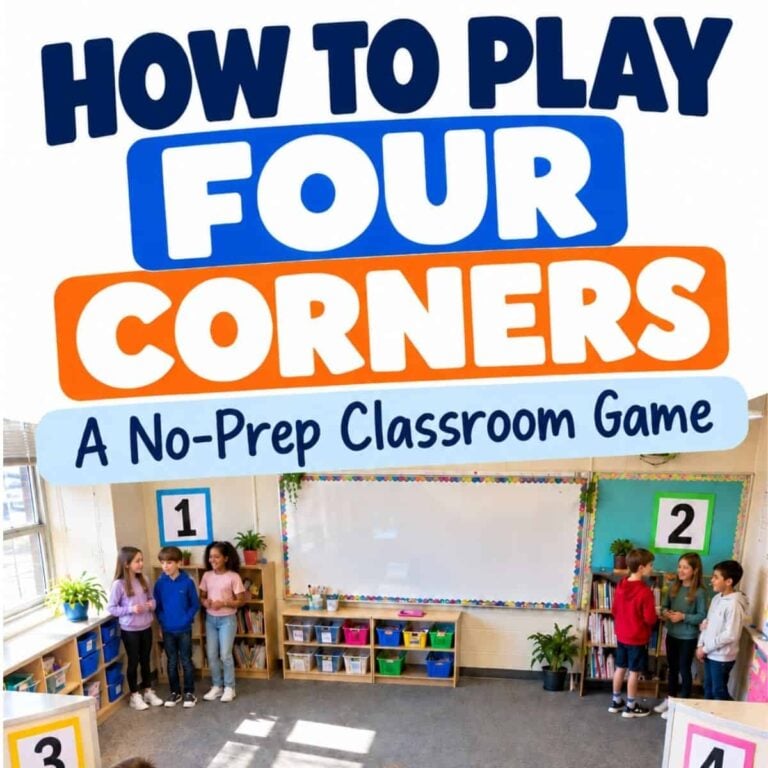
Some of the best classroom activities need no prep, materials, or screen. The four corners classroom game is one of them. It gets every student up and moving in under…
-
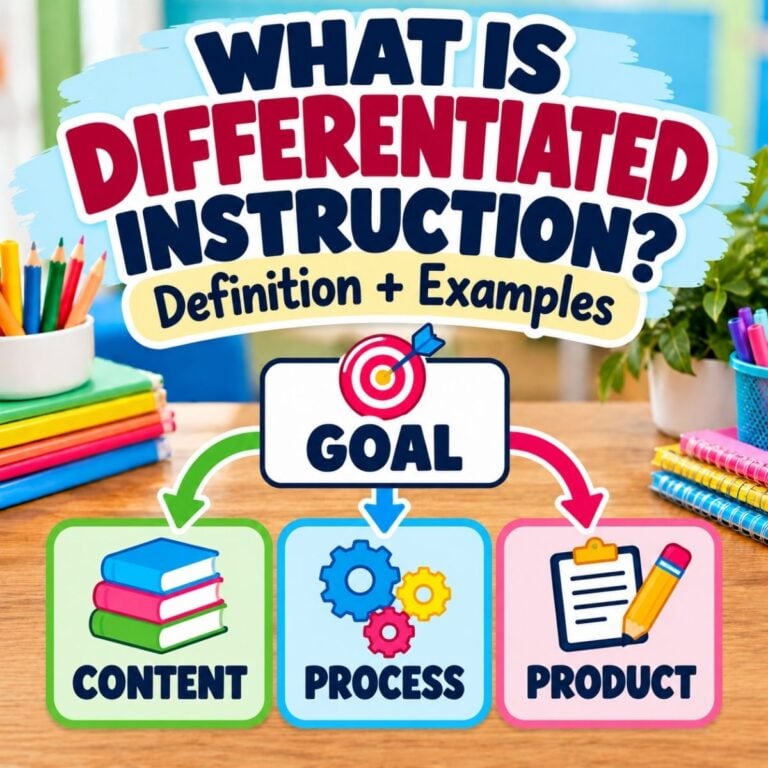
You sit in a staff meeting, the evaluator mentions differentiated instruction, and everyone nods like they know exactly what it means. If you have ever wanted a clear, confident answer…
-
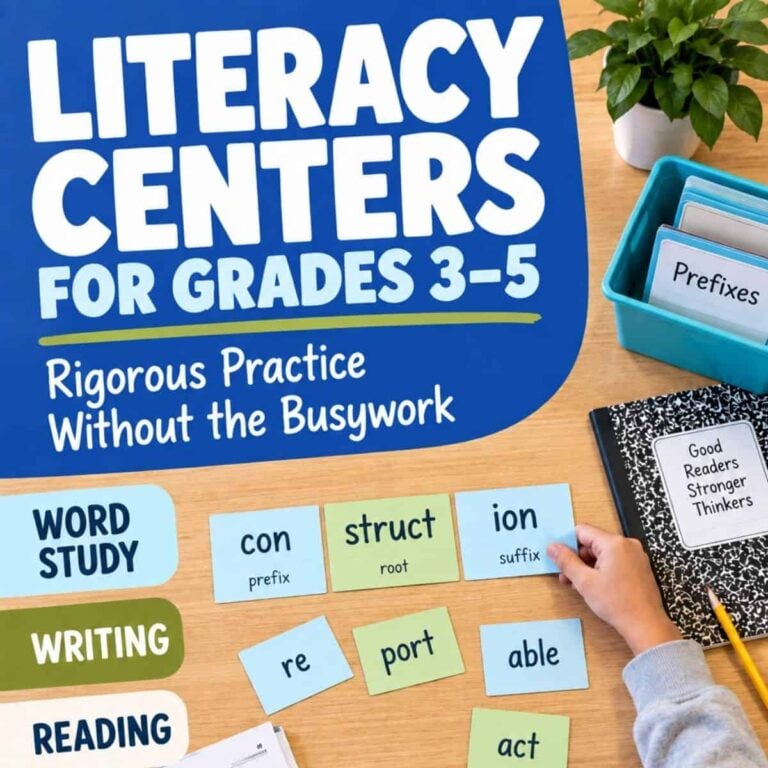
Literacy centers for upper elementary have to do more than keep hands busy. In grades 3 through 5, a good station holds students accountable, reinforces the reading and word work…
-
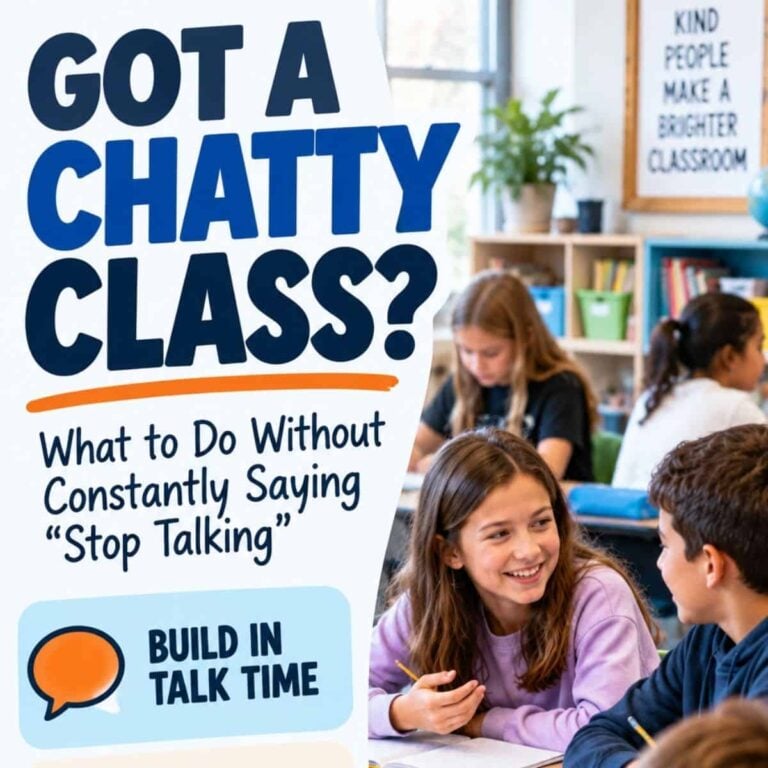
Some years you get a quiet group. Other years, you get a chatty class. If you find yourself stopping every few minutes to wait for the room to settle, you…
-
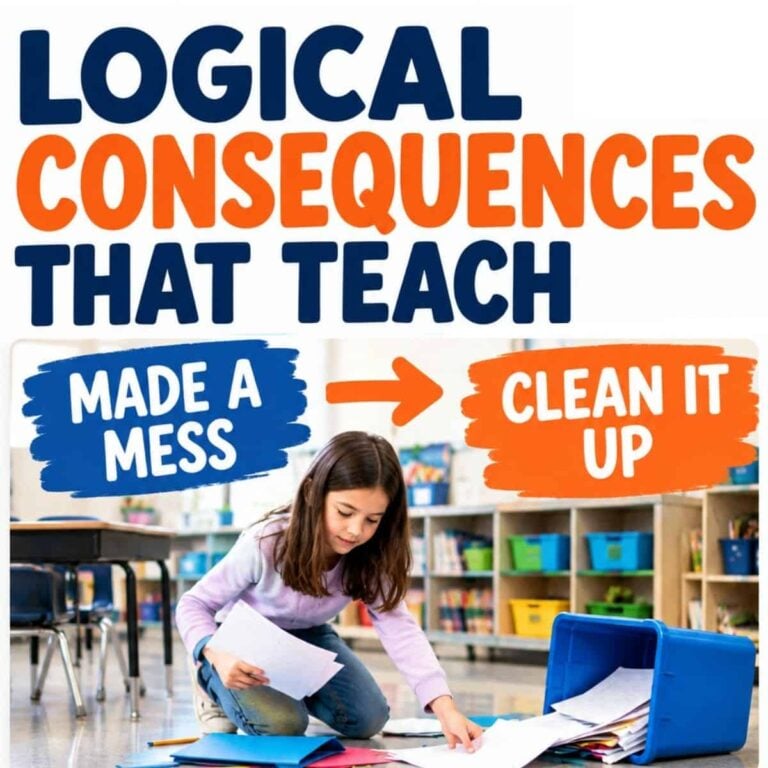
When a student breaks a rule, the question every teacher faces in the moment is what happens next. The best classroom consequences are not about making a student feel bad….
-
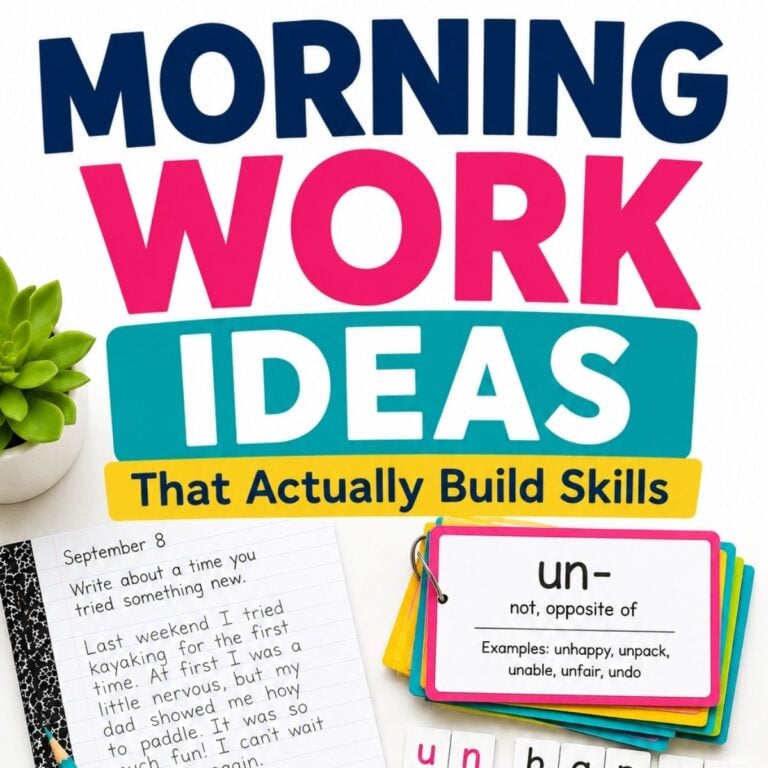
The first ten minutes of the day set the tone for everything that follows. Students trickle in, you take attendance and answer the same question for the fifth time, and…
-
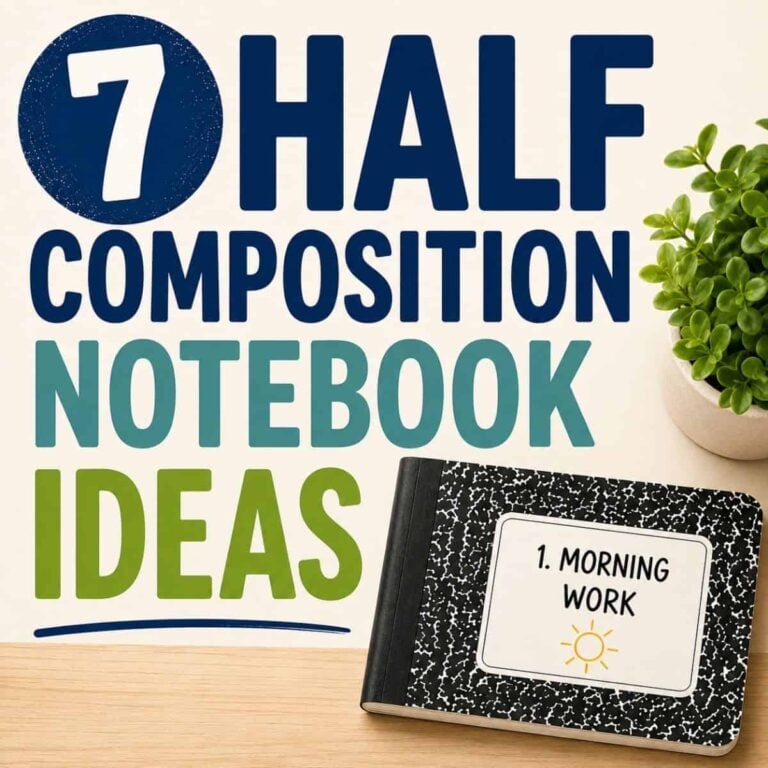
Half composition notebooks are cheap, tiny, and everywhere in teacher supply hauls right now, but once you’ve bought a class set of 40, the real question is what to do…
-
Preparing for a substitute teacher is one of those things that can feel surprisingly stressful, especially when you’re dealing with it the night before or the morning of an unexpected…
-
For years, my classroom library was a mess. I had picture books and chapter books mixed together, guided reading books on a separate shelf, and a system that kept falling…
-
Setting up a classroom for the first time is one of those tasks that feels both exciting and completely overwhelming. You walk in, see four walls and a pile of…
-
The first day of school tips for teachers that actually stick are the ones you learn the hard way — from the years when something didn’t go the way you…
-
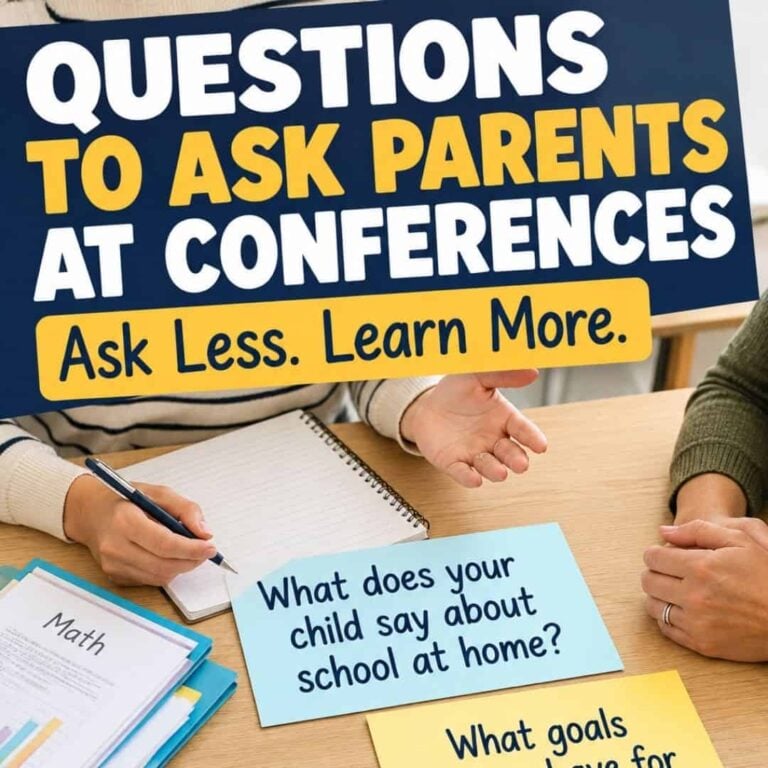
Twenty minutes with a family go fast. If you spend most of it talking, you leave the conference knowing exactly what you walked in knowing, which isn’t much. The best…
End of content
End of content