
How to Teach Opinion Writing in Elementary School (A Complete Guide)
Students love sharing what they think, and when teachers teach opinion writing, students have the opportunity to explain their ideas, defend their reasoning, and participate in meaningful discussions.
Many teachers notice that opinion writing feels easier for students than other types of writing. Kids naturally have opinions about books, recess, homework, and even which lunch is the best. The challenge is helping students move from simply stating an opinion to supporting it with clear reasons and examples.
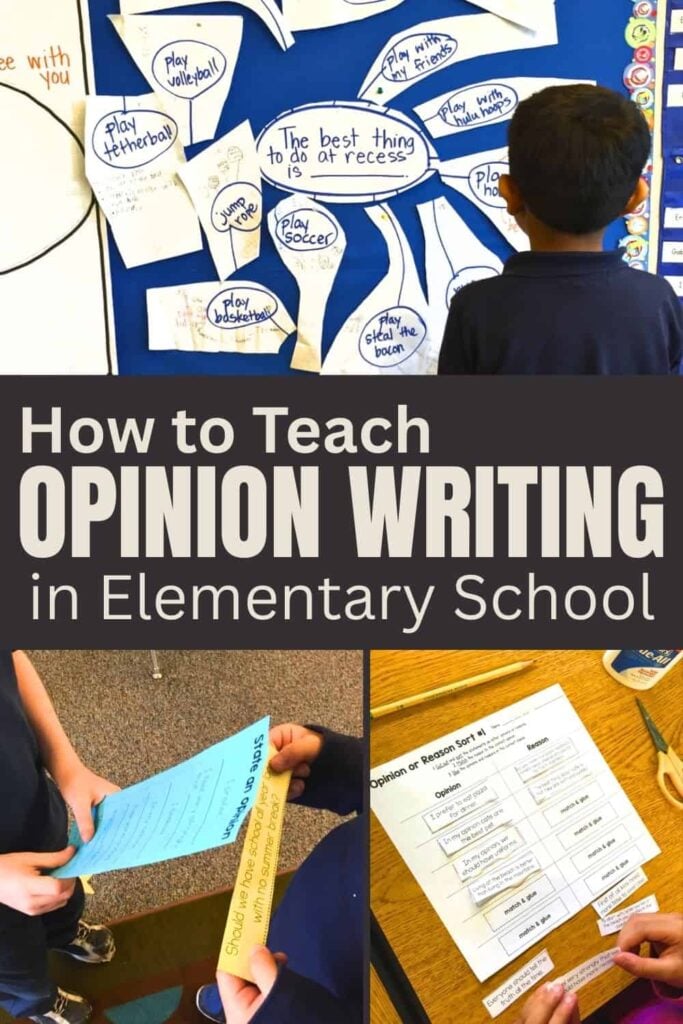
This guide brings together strategies, lessons, and resources to help you teach opinion writing in grades 2–5. Whether you are introducing opinion writing for the first time or helping students strengthen their arguments, these ideas will help you build confident writers.
What Is Opinion Writing?
Opinion writing asks students to share their thoughts about a topic and explain why they believe that opinion is true.
Students learn to:
- State a clear opinion
- Support their opinion with reasons
- Provide examples or evidence
- Organize their ideas clearly
- Write a strong conclusion
Opinion writing is a key part of elementary writing standards because it helps students learn to think critically, explain their reasoning, and communicate ideas clearly.
Why Opinion Writing Is Important for Students
Opinion writing builds several important academic skills.
Students learn to:
- Form logical arguments
- Support ideas with evidence
- Participate in respectful discussions
- Organize writing clearly
- Think critically about topics
These skills transfer into many other subject areas. Students use opinion writing when responding to books, explaining scientific ideas, and discussing historical events.
The Opinion Writing Process for Elementary Students
Teaching opinion writing works best when students follow a clear structure. Breaking the process into small steps makes writing more manageable for young learners.
Step 1: Introducing Opinion Writing to Students
Before students begin writing full opinion pieces, it helps to introduce the concept through simple activities and discussions. When students talk about their preferences and explain their thinking, they begin practicing the reasoning skills needed for opinion writing.
Students can share their ideas through class discussions, quick partner conversations, or short written responses.
If you’re looking for classroom strategies, this post on 7 Ways to Introduce Opinion Writing to Elementary Students shares simple activities that help students begin thinking about opinions and supporting their ideas before starting a full writing assignment.

Here are 7 ways you can introduce the concept of opinion writing to students.
Step 2: Introduce the Topic and Build Background Knowledge
Before students begin writing, they need something to think about.
Teachers often introduce opinion writing through:
- Read-aloud discussions
- Classroom debates
- Short videos
- Shared experiences
- Picture prompts
Students can discuss questions such as:
- Which recess game is the best?
- Should homework be required?
- Which animal makes the best pet?
These conversations help students generate ideas before they begin writing.

Teach students to introduce their topic when writing opinion paragraphs.
Step 2: Teach Students to State Their Opinion Clearly
Students should begin their writing by clearly stating what they believe.
Simple sentence frames can help students get started:
- I believe ___ because ___.
- In my opinion, ___.
- I think ___ is the best choice.

Teach students to state their opinion with academic language.
Step 3: Support the Opinion with Reasons
One of the most important skills in opinion writing is explaining why the opinion makes sense.
Students should learn to support their opinion with multiple reasons.
For example:
I think recess should be longer because students need time to exercise and play.
Teachers can model how to expand ideas by asking questions like:
- Why do you think that?
- Can you give an example?
- What evidence supports that idea?

This post explains strategies for teaching students to support their opinions with strong reasoning:
Step 4: Use Mentor Texts to Teach Opinion Writing
Mentor texts are a powerful way to help students understand how opinion writing works.
Picture books that show characters sharing opinions can help students see how writers:
- State an opinion
- Give supporting reasons
- Explain their thinking

Here is a list of mentor texts that work well for teaching opinion writing:
Step 5: Practice with Opinion Writing Prompts
Opinion writing prompts help students practice expressing their ideas on a variety of topics.
Prompts can include:
- Favorite books or characters
- School rules
- Pets and animals
- Food choices
- Fun classroom debates

This collection includes prompts that work well for elementary classrooms:
Step 6: Teach Students to Write Strong Conclusions
A good conclusion reminds readers of the writer’s opinion and wraps up the argument.
Students can use simple closing sentence frames such as:
- For these reasons, I believe ___.
- That is why I think ___.
- In conclusion, ___ is the best choice.
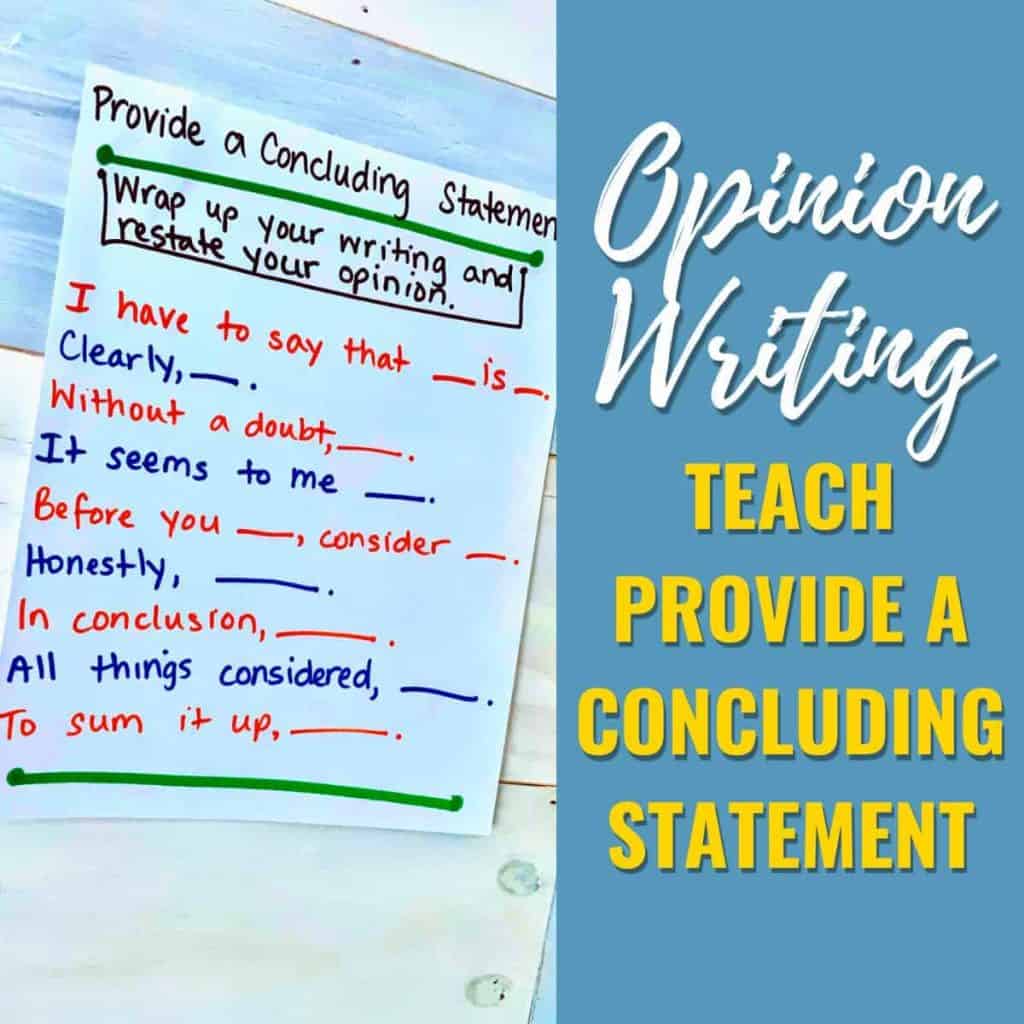
You can read more about teaching strong conclusions here:
Quick and Simple Opinion Writing Activities for the Classroom
Teachers often find that opinion writing works best when paired with engaging classroom activities.
Here are a few ideas:
Opinion Corners
Students move to different corners of the room based on their opinions and discuss their reasoning with classmates.
Turn and Talk
Students share their opinions with a partner before writing.
Classroom Debates
Students defend their opinions on fun topics such as:
- Cats vs. dogs
- Summer vs. winter
- Reading vs. math
These activities help students organize their thoughts before writing.

Included are games and activities to use with your students while teaching your opinion writing unit.
Use an Opinion Writing Unit to Build Strong Writers
Teaching opinion writing works best when students move through the process step-by-step over several lessons. An opinion writing unit allows teachers to introduce each part of the writing process gradually, so students have time to practice and improve their skills.
Each lesson builds on the previous one, so students slowly develop confidence as writers.
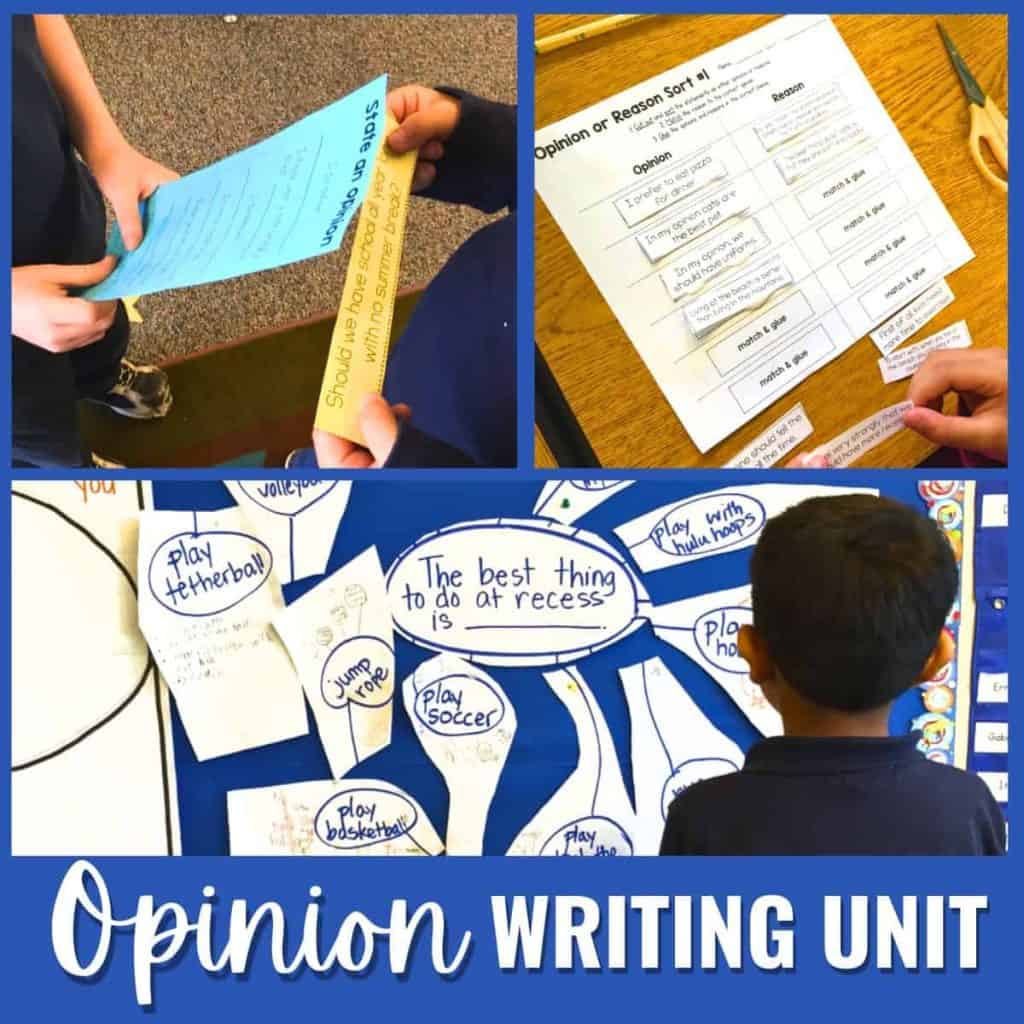
If you are planning a full set of lessons, this Opinion Writing Unit for Elementary Students includes structured activities that walk students through the entire process—from introducing an opinion to writing a finished piece.
Opinion Writing Across the Curriculum
Opinion writing can easily connect to other subjects.
Students can write opinions about:
Reading
- Which character made the best decision
- Whether the ending of a story was fair
Science
- Which habitat is best for a specific animal
- Which solution would best solve a problem
Social Studies
- Whether a historical figure made the right decision
These connections help students see that writing is a tool for thinking and explaining ideas.
Opinion Writing and Compare and Contrast
Opinion writing often leads naturally into compare and contrast. When students explain why they prefer one thing over another, they begin thinking about similarities, differences, and reasons for their choice.
For example, a prompt like “Which is better: summer or winter?” encourages students to compare both seasons before deciding on their opinion.
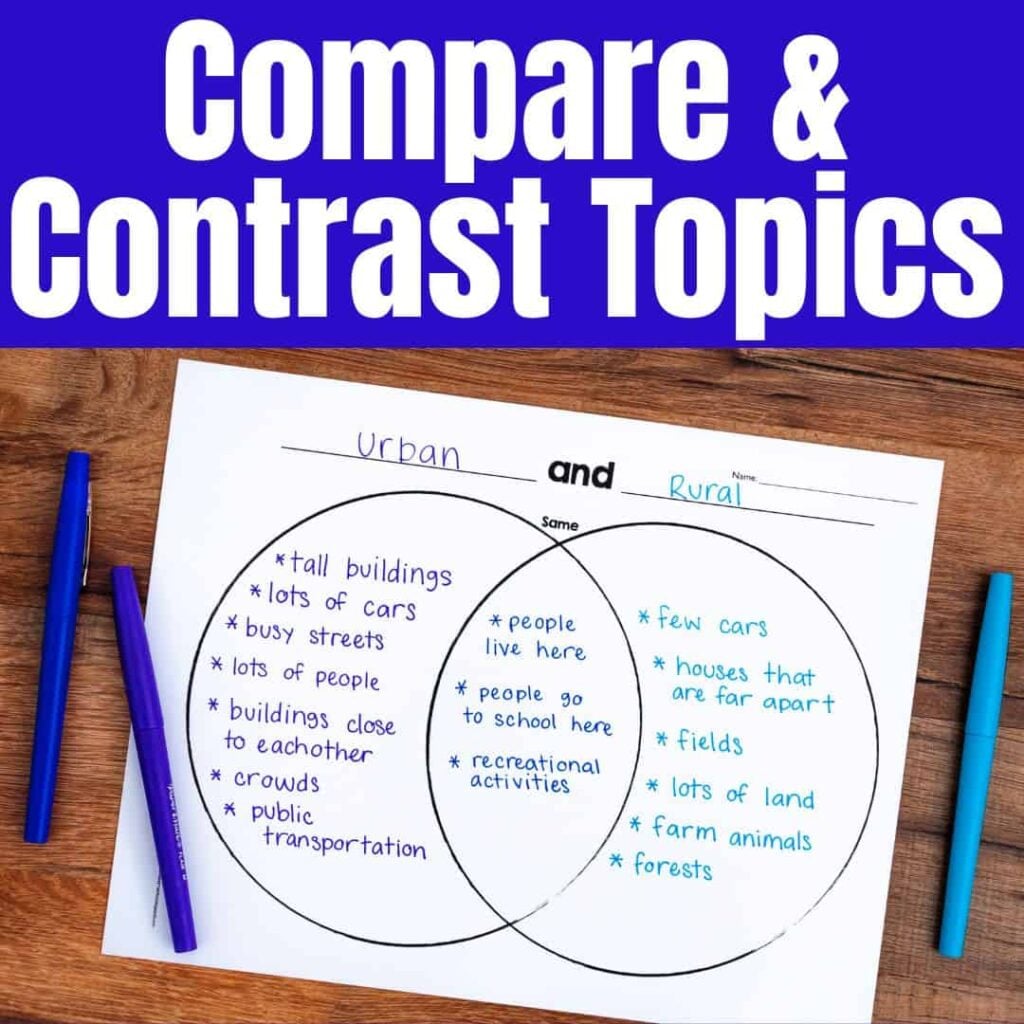
If you’re looking for classroom ideas, this list of compare and contrast topics for students includes many prompts that work well for opinion writing activities.
Opinion Writing Gives Students a Voice In The Classroom
When students learn to clearly express their ideas and support them with reasoning, they gain confidence as writers and thinkers.
By teaching the writing process step-by-step, using mentor texts, and giving students plenty of opportunities to practice, teachers can help students develop strong opinion writing skills.
If you are looking for additional ideas and lessons, explore the opinion writing resources linked throughout this guide.
Read More about Teaching Opinion Writing
7 Ways to Introduce Opinion Writing
Teaching How to State an Opinion
Teaching How to Supply Reasons
Teaching How to Introduce Opinion Writing
Teaching How to Conclude the Opinion Writing
Teaching Ideas to Solidify Students’ Understanding of Opinion Writing
Picture Books to Teach Opinion Writing
Opinion Writing Unit
Opinion Writing Sentence Starters
100 Opinion Writing Prompts
Jessica BOschen
Jessica is a teacher, homeschool parent, and entrepreneur. She shares her passion for teaching and education on What I Have Learned. Jessica has 16 years of experience teaching elementary school and currently homeschools her two middle and high school boys. She enjoys scaffolding learning for students, focusing on helping our most challenging learners achieve success in all academic areas.