
7 Ways to Introduce Opinion Writing in 2nd Grade

Introducing opinion writing can feel tricky. Students often have strong opinions, but they don’t always understand why they are writing them or how opinions work in an academic setting. Before students can write opinion paragraphs, they need opportunities to talk, think, and notice opinions in the world around them.
When teaching opinion writing in 2nd grade, the goal at the beginning of the unit is not perfect writing. It’s helping students understand what an opinion is, how opinions are different from facts, and how writers use reasons to support what they think.

These strategies help students understand what opinions are before they are asked to write full opinion paragraphs.
This post shares practical, classroom-tested ways to introduce opinion writing that work especially well at the start of a unit and continue to support instruction throughout the year.
If you’re just beginning to teach opinion writing, starting with engaging activities can make a big difference. Students often need time to talk about their ideas and explain their thinking before they begin writing full paragraphs. This complete guide to teaching opinion writing in elementary school walks through the full process—from introducing opinion writing to helping students support their ideas with reasons and write strong conclusions.
Use What Students Already Know to Introduce Opinion Writing
This might seem like an obvious one, but using what students already know hooks them into the lesson and builds on a solid foundation. When you use something that students are already familiar with, you generally don’t need to teach new vocabulary or new concepts and can get right to the core of what it means to form an opinion.
When you use familiar content you can go deeper with the academic language. I talk a bit about this concept in a blog post on using academic language, specifically for English learners, but the idea can apply to all learners. If the content is too high, students will have more difficulty using academic language. If the content is lower and more familiar, they can learn new and more complex academic language.
Now, you don’t want to keep the content low for the entire opinion writing unit, but to introduce the concepts and learn to write opinion paragraphs and essays, starting with familiar content is key.
What types of familiar content do I use in my classroom?
I usually start my opinion writing unit with very tangible concepts, like what students do at recess. Our writing time came after our first recess, so students had just been on the playground and I was able to tap into what they had chosen to play 20 minutes earlier.
This is an anchor chart that we created about recess games. We later cut it apart and brainstormed reasons for several of the activities. You can see more about that process in my How to Teach Opinion Writing blog post.

Other familiar topics include:
- food
- games
- family activities
- school subjects
Books can work, but depending on students’ discussion skills, they may introduce more complexity than needed at the very start.
Starting with familiar content does not mean staying there forever. It simply gives students a strong entry point into opinion writing.

Opinion Writing Unit | 2nd & 3rd Grade Common Core Writing Resource
Teach opinion writing with confidence using this Common Core-aligned Opinion Writing Unit for 2nd and 3rd grade students. This comprehensive resource includes graphic organizers, sentence frames, anchor charts, writing prompts, assessments, and engaging activities that help students develop strong opinion writing skills through both oral language practice and written application.
Use Picture Books to Introduce Opinion Writing
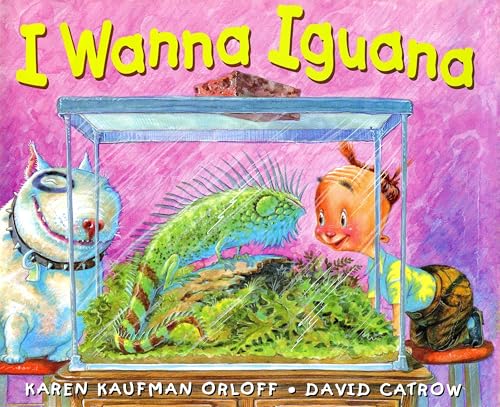
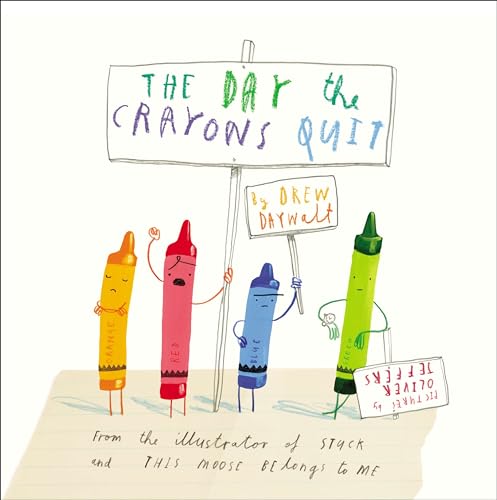
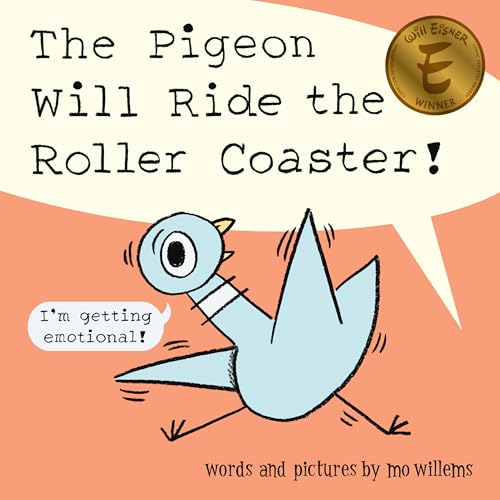
Picture books are a powerful way to model opinions and reasons. Many stories naturally invite students to agree, disagree, or take a side.
Some favorite opinion-friendly mentor texts include:
- Hey Little Ant
- A Bad Case of Stripes
- I Wanna Iguana (and other books from the series)
- Who Would Win books
- Stella Writes an Opinion
- The Day the Crayons Quit
- Pigeon Books
- A Pig Parade is a Terrible Idea
- Emily’s Perfect Pet






When using books, pay attention to the balance between content difficulty and language expectations. Easier content allows students to use more complex sentence frames. More challenging content works well for oral discussions before writing.
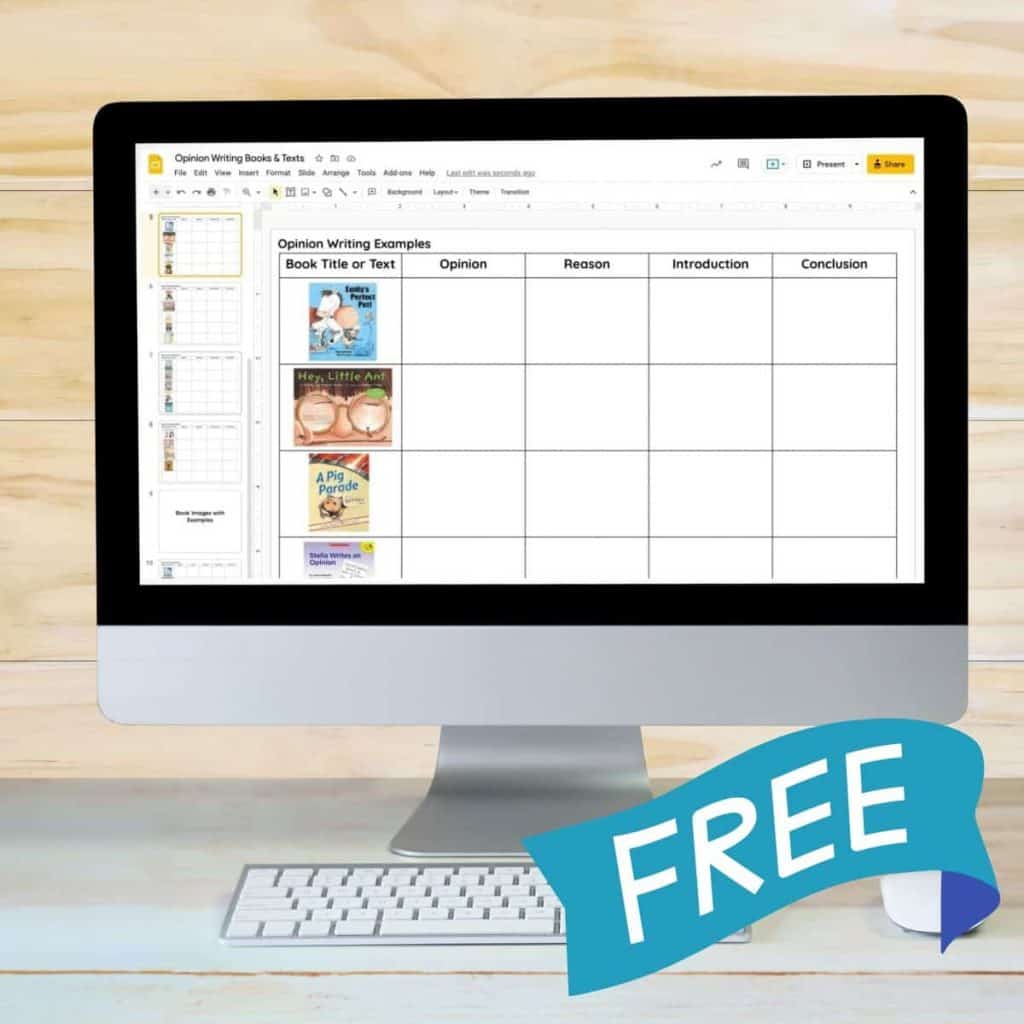
I also keep a full list of picture books for opinion writing in a separate post if you want more ideas.

Use Video Clips to Introduce Opinion Writing
Short video clips are an engaging way to introduce opinion writing. Videos naturally invite discussion and help students form opinions quickly.
Before watching, tell students:
- what to watch for
- what question they will answer
- whether they are listening for opinions, reasons, or both
Watching a clip more than once can help students refine their thinking and language.
Helpful video ideas include:
- short writing prompt videos
- wordless videos like For the Birds
- Ted-style videos that present unusual ideas
- instructional videos that explain opinion writing
Commercials can work too. Students can decide whether a commercial is convincing and why.
Videos for Opinion Writing
Here are a few specific video examples I’ve used successfully in the classroom:

For the Birds is a great video to use with bullying, as well. There are no words in it. Students can develop their own language around the actions they observe in the video.

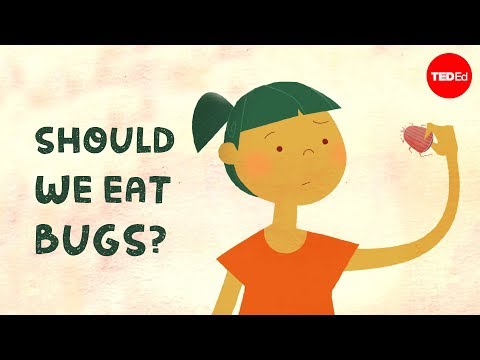
This Ted-Ed video about eating bugs is great for older learners. You can likely find many Ted-Ed videos that highlight odd or quirky things people do. Students can form an opinion about the activity.
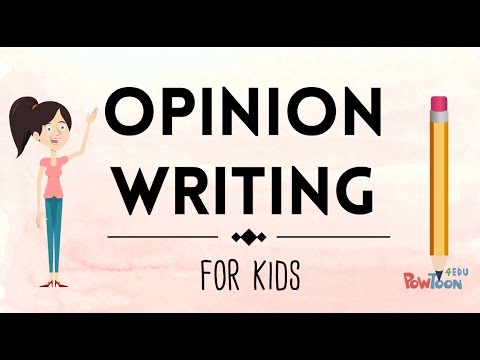
This video introduces the concept of opinion writing. It’s more academic than fun, and is a teaching video, but still quite good.
TV commercials are another way to spark opinion writing. Students can watch a video and decide how the video persuades to buy the product.
Create Anchor Charts to Help Students Have Class Discussions
Anchor charts help students practice stating opinions during discussions. Posting sentence frames gives students language support while they talk.
Sentence frames might include:
- “I think ___ because ___.”
- “In my opinion, ___.”
- “I agree with ___ because ___.”
These charts support both opinion writing and speaking and listening skills. Keep them visible and refer to them often during discussions.

I use more than one anchor chart so students can see different ways opinions can be stated.

Help Students Find Opinion Writing in the Real World
For older students or classes ready for a challenge, current events can be a meaningful way to introduce opinion writing. This may require building background knowledge first.
Sources like classroom news publications work well, but classroom, school, and community issues can be just as powerful.
Some great sources for current events are NewsELA and Scholastic News. Both require a subscription.
Use classroom, school, and community issues, problems, and events
While current events around the world are a great resource, sometimes bring the focus back to the community can ground students and build momentum for the opinion writing unit. This goes along with creating student buy-in for classroom, school, and community routines and events.
Classroom Ideas for Opinion Writing
- Why a certain team should receive points for something
- Why we should keep the classroom library clean
- Deciding on what to do at the end of the school year
School Ideas for Opinion Writing
- Why we should have extra time to eat lunch
- Ways to stay safe on the playground
- The next school performance
Community Ideas for Opinion Writing
Community issues and problems will be unique for each community.
A problem in our local community, for instance, is that one of the busy roads in our area doesn’t have adequate crosswalks. Many people have been injured. Students can write an opinion piece from the perspective of an injured person and from the perspective of the city for the need for crosswalks or bridges.
Brainstorm Opinions in the “Real World”
Along the same lines, consider brainstorming with students where you see opinion writing in your own community. Have students go on a hunt to find opinion writing in their neighborhoods.
Some examples include restaurant reviews, movie and video game reviews, or infomercials (think kid things like Slushy Magic, Hover Ball, Wubble). Have students record the opinion and supporting details while watching and reading reviews.
Opinion Writing Unit | 2nd & 3rd Grade Common Core Writing Resource
Teach opinion writing with confidence using this Common Core-aligned Opinion Writing Unit for 2nd and 3rd grade students. This comprehensive resource includes graphic organizers, sentence frames, anchor charts, writing prompts, assessments, and engaging activities that help students develop strong opinion writing skills through both oral language practice and written application.
Would You Rather Questions
Would You Rather questions are a simple and effective way to introduce opinions. They encourage discussion and naturally lead to reasons.
These questions work well:
- as morning discussions
- during partner talk
- as oral practice before writing
Many free resources are available online, and they are easy to adapt for your class.
A Note on Oreo Opinion Writing
Oreo Opinion Writing is a familiar structure for many teachers. It can be helpful as long as the focus stays on developing clear opinions and strong reasons, not just memorizing an acronym.
Use it as a support, not a replacement for explicit instruction and practice.

How This Fits Into an Opinion Writing Unit
These introduction strategies work best when paired with a structured unit that teaches opinion writing step by step. Students benefit from repeated routines, oral practice, sentence frames, and clear expectations.
If you’re interested, I share more about my Opinion Writing Unit for 2nd Grade, which includes lessons, games, sorts, graphic organizers, and checklists to support each component of opinion writing. These activities are designed to come before formal writing instruction and prepare students for success with opinion paragraphs.
Opinion Writing Unit | 2nd & 3rd Grade Common Core Writing Resource
Teach opinion writing with confidence using this Common Core-aligned Opinion Writing Unit for 2nd and 3rd grade students. This comprehensive resource includes graphic organizers, sentence frames, anchor charts, writing prompts, assessments, and engaging activities that help students develop strong opinion writing skills through both oral language practice and written application.
Read More about Teaching Opinion Writing
7 Ways to Introduce Opinion Writing
Teaching How to State an Opinion
Teaching How to Supply Reasons
Teaching How to Introduce Opinion Writing
Teaching How to Conclude the Opinion Writing
Teaching Ideas to Solidify Students’ Understanding of Opinion Writing
Picture Books to Teach Opinion Writing
Opinion Writing Unit
Opinion Writing Sentence Starters
100 Opinion Writing Prompts
Jessica BOschen
Jessica is a teacher, homeschool parent, and entrepreneur. She shares her passion for teaching and education on What I Have Learned. Jessica has 16 years of experience teaching elementary school and currently homeschools her two middle and high school boys. She enjoys scaffolding learning for students, focusing on helping our most challenging learners achieve success in all academic areas.