
19 of the Best Opinion Writing Mentor Text Picture Books

These days, there is a ton of great literature that lends itself to opinion writing. Not only do mentor texts for opinion writing contain a fun and engaging story, but they also include pictures that draw the reader in and prompt them to ask more questions about the text.
Use these opinion writing read-alouds to introduce the concept of opinion writing or investigate specific components of opinion writing to hone students’ writing skills.

This post focuses on using picture books as mentor texts to notice and analyze opinion writing components—not to teach each skill step by step.
Mentor texts are a powerful way to help students understand how opinion writing works. Picture books show students how authors express opinions, provide reasons, and explain their thinking. If you’re planning a full writing unit, this complete guide to teaching opinion writing in elementary school includes additional lesson ideas and resources.
How to Teach Opinion Writing with Read Alouds Using an Anchor Chart
Before reading any persuasive book, consider creating an anchor chart that will carry you and your students through your entire opinion writing unit. Use the anchor chart to introduce opinion writing and follow up with it as you explore each component of opinion writing in depth.
The goal of this anchor chart is not for students to copy the structure, but to notice how opinions, reasons, and conclusions work in real texts.
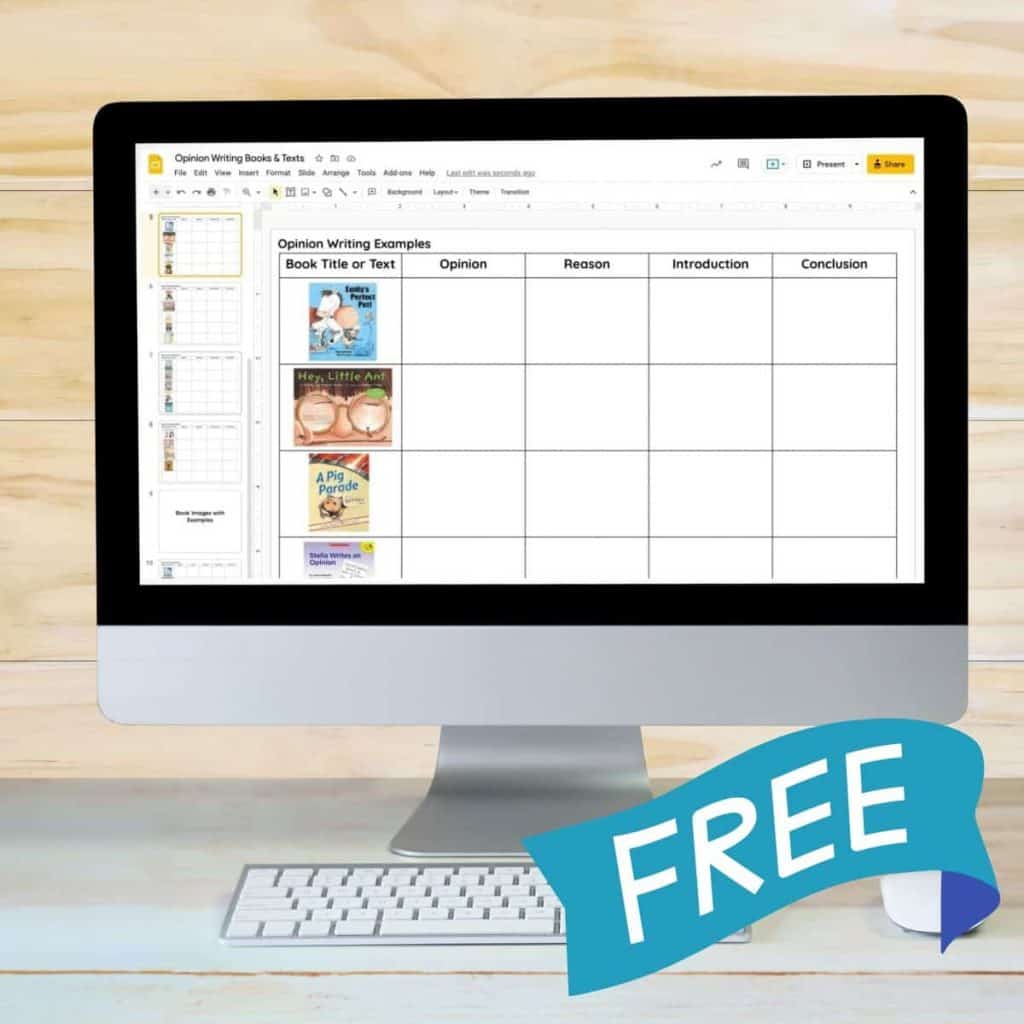
The anchor chart should have several columns, including:
- The book and/or text title. In addition to writing the title, consider making a photocopy of the cover or printing an image of the cover that you find online. This gives students a quick way to find the book on the long list that you will create.
- Opinion Statement – This is where you will record the opinion statement from the book.
- Reason #1, Reason #2, Reason #3. Or just a column for all reasons.
- Introduce the Topic
- Conclusion Statement
Consider adding examples to the list above if you’re teaching third grade. Students will be taught these components of opinion writing throughout your opinion writing unit and the components they will look for in each of the opinion writing picture books.
Many persuasive books you read will not follow the formatted opinion writing process you are teaching. Students will need to understand that authors are creative. Once they have learned the structure of a writing style, many authors move outside of that structure.
When recording the components of opinion writing on the anchor chart, consider using the academic language you expect students to use in their own writing. This is just one more opportunity to model academic language.
Free Digital Anchor Chart of Opinion Writing Picture Books
Would you like a free digital anchor chart of the opinion writing picture books in this blog post? Teachers often use this chart during read-alouds to quickly identify opinion writing components without stopping the flow of the story.
How to Choose Opinion Writing Picture Books for Your Students
When choosing persuasive books for your students, consider the balance between content complexity and the academic language you are asking students to use.
If your goal is to push students to use stronger academic language in discussions and writing, choose books with familiar or accessible content. While some of the books in this post may seem young for your grade level, students often enjoy revisiting favorite stories. Because they already understand the plot, they can focus more fully on identifying opinions, reasons, and language structures.
At the same time, don’t avoid books with more complex ideas. When mentor texts include higher-level content, start by guiding students to form opinions orally through discussion. Frequent oral practice helps students process new ideas and prepares them to transfer that thinking into writing.
The books below are labeled by the stage of opinion writing they support best.
19 Opinion Writing Picture Books to Use as Read Alouds in Your Classroom
Here is a variety of opinion writing picture books you can use to teach opinion writing to your students. Use them to introduce opinion writing, identify opinions, supply reasons, and provide examples.
Emily’s Perfect Pet
Pets are one of the easiest topics to use in opinion writing. At some point in their childhood, most kids try to convince their parents to get a coveted pet. Emily is no different. In this book, she tells about the attributes of specific pets and why they are perfect for her. This is a great book for giving reasons.
Best for Week 3: Supplying Reasons

Hey Little Ant
This is one of my favorite persuasive books to use for opinion writing! It is a fun book about different perspectives and why ants are important and shouldn’t be stepped on.
Best for Week 1: Introducing Opinion Writing
Also works for Week 7: Solidifying Understanding


A Pig Parade is a Terrible Idea
Do you think a Pig Parade is a good idea? This fun and engaging book explains why you should not have a pig parade. It is a great book for supplying reasons.
Best for Week 3: Supplying Reasons

Stella Writes an Opinion
This is a perfect book for teaching opinion writing! Stella, the main character, wants a morning snack and uses her persuasive opinion skills to give reasons and even includes a closing statement. It even includes some ideas for teacher use in the classroom.
Best for Week 2: Stating an Opinion
Also works for Week 6: Writing Conclusions

A Bad Case of Stripes
This is a great book on many different levels. Not only does it work with supplying reasons why she shouldn’t eat lima beans, but it also deals with social issues and peer pressure.
Best for Week 1: Introducing Opinion Writing

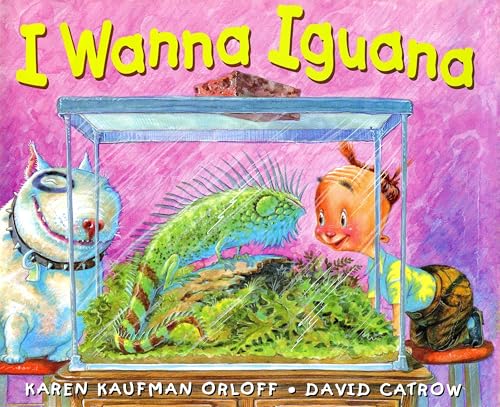
I Wanna Iguana (and other books from the series)
In this book, Alex is trying to convince his mom to let him have a pet iguana. He gives plenty of reasons why he should have the pet and backs them up with how he will take care of it. It’s a fun, engaging book that develops the skills of supplying reasons.
Best for Week 4: Explaining Reasons
Who Would Win Books
The Who Would Win series of books are nonfiction books that compare and contrast two animals. Readers learn about each animal’s attributes, behavior, and more. Not only will students be able to give an opinion about which animal would win in a battle, they learn science content as well!
Best for Week 3: Supplying Reasons
Also works for Week 5: Writing Introductions

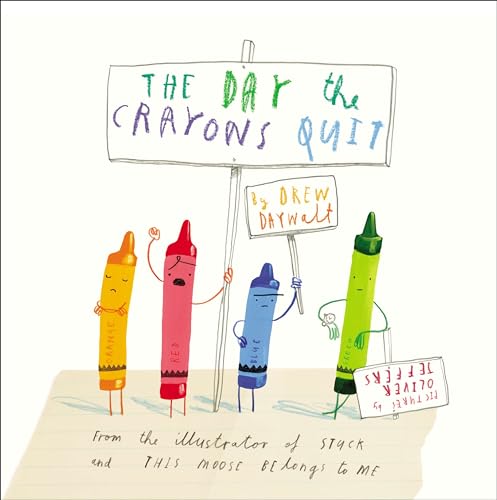
The Day the Crayons Quit
A fun book about crayons that refuse to be crayons. This book is great for explaining why specific colors quit being crayons. Each color has a reason and gives clear examples on why they want to quit being a crayon. This book is great for supplying reasons as well as explaining those reasons.
Best for Week 4: Explaining Reasons
Pigeon Books
Pigeon is quite a character! Most of the books are great demonstrations of opinion writing. Pigeon is always trying to convince the reader why he should be able to do something, and the author is using opinion language to tell why he shouldn’t. While this book is great for younger kids to enjoy, it works well for older students to analyze the written components.
Best for Week 2: Stating an Opinion

A Fine, Fine School
Do you think students should go to school on Saturdays? Tillie’s principal does! He loves school so much that he decides everyone should go to school all the time! This is a great springboard for some of the most common opinion writing topics, like whether we should extend the school day. If we’re in school more, do students learn more?
Best for Week 5: Writing Introductions

The Big Bed
A fun book about a toddler who doesn’t want to sleep in her own bed and uses all sorts of reasons to convince her dad to sleep on a cot. This fun book is great for supplying reasons.
Best for Week 3: Supplying Reasons

The Perfect Pet
In the Perfect Pet, Elizabeth explores the different pets and the reasons why some are better than others. She ends up with an unusual pet.
Best for Week 3: Supplying Reasons

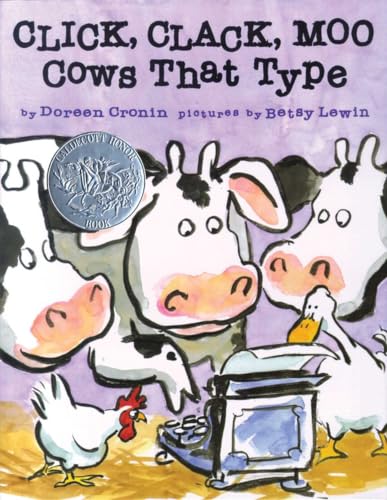
Click Clack Moo Cows that Type
This is a beloved classic about cows that ask for quite a few things from Farmer Brown. It’s great for reasons and explanations.
Best for Week 4: Explaining Reasons
I Can be Anything
This is a great book about setting goals and not listening to the voices that tell us we can’t do something. I love the book for goal setting, but it is also great for giving reasons and explaining why you can be anything you dream.
Best for Week 4: Explaining Reasons

The Amazing Collection of Joey Cornwell
This is a great story about an artist and how he collected everything as a child. That collection grew, and he realized that certain things looked good together. This is a great book to introduce kids to art, butit can also lead to some discussions about opinions.
Best for Week 1: Introducing Opinion Writing

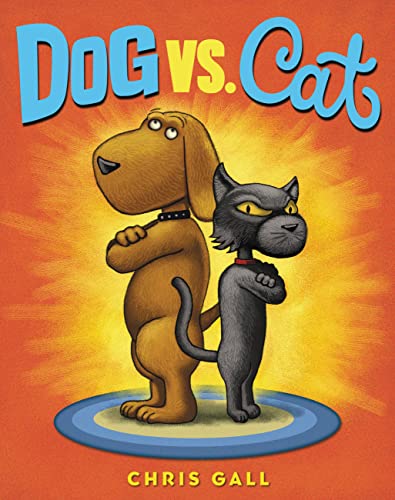
Dog vs. Cat
If you have students write about which pet is the best, this book brings out all of their good and bad qualities. It gives a lot of reasons why one may be better than another. It’s a fun and engaging book for younger learners.
Best for Week 3: Supplying Reasons
Give Bees a Chance
I love this book for the opinion writing aspects of it but also because it’s focused on science. Many of the books in this list are fiction and fun books. This one is more about the benefits of bees.
Best for Week 4: Explaining Reasons
Also works for Week 7: Applying Opinion Writing in Science

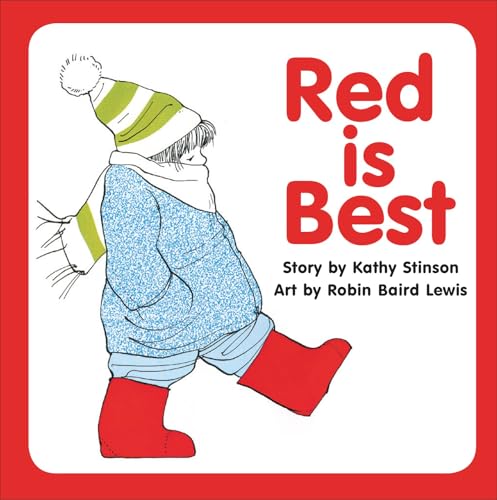
Red is Best
In this book, the main character lists reasons why he loves the color red. It is a great book to help students develop the skill of supplying reasons when giving opinions, and it fits perfectly with that week of teaching opinion writing.
Best for Week 2: Stating an Opinion
Also works for Week 6: Writing Conclusions
Which Would You Rather Be
This book doesn’t try to convince the reader of anything but poses questions. It’s a great book for classroom discussions or a community circle. It works well for the week of stating your opinion. This is a great book to help students practice using sentence frames. Be sure to preview the book ahead of time. There may be a few questions you want to skip.
Best for Week 1: Introducing Opinion Writing

You could extend a few of these opinion-writing picture book discussions into identifying points of view, as well as stating an opinion and supplying reasons.
Want to know when to use each book?
Many teachers pair mentor texts with specific weeks of an opinion writing unit. Use the guide below to jump to the stage of instruction you’re planning.
Quick Jump Guide
- Week 1: Introduce Opinion Writing
- Week 2: State an Opinion
- Week 3: Supply Reasons
- Week 4: Explain Reasons
- Week 5: Write Introductions
- Week 6: Write Conclusions
- Week 7: Solidify & Apply Opinion Writing
Week 1: Introduce Opinion Writing
Goal: Help students recognize opinions, notice persuasion, and talk before writing.
Best books for discussion, engagement, and noticing opinions:
- Which Would You Rather Be
- Hey Little Ant
- The Amazing Collection of Joey Cornwell
Why these work:
They naturally spark talk and don’t require students to write yet. Perfect for sentence frames and oral practice.
Week 2: State an Opinion
Goal: Clearly state what the writer thinks using opinion language.
Best books for clear opinions:
- Red Is Best
- Pigeon series
- Stella Writes an Opinion
Why these work:
The opinion is obvious and repeated, making it easy for students to identify and imitate.

Week 3: Supply Reasons
Goal: Give reasons that support an opinion.
Best books for listing reasons:
- Emily’s Perfect Pet
- A Pig Parade Is a Terrible Idea
- The Big Bed
- Dog vs. Cat
Why these work:
The reasons are concrete, repetitive, and easy to sort and rank.

Week 4: Explain Reasons (optional / 3rd grade+)
Goal: Go beyond listing reasons and explain why they matter.
Best books for reason + explanation:
- I Wanna Iguana
- The Day the Crayons Quit
- Click, Clack, Moo: Cows That Type
Why these work:
Characters justify their reasons with examples and explanations, perfect for modeling expanded thinking.
Week 5: Write Introductions
Goal: Introduce the topic before stating an opinion.
Best books for topic introductions:
- A Fine, Fine School
- Give Bees a Chance
- Who Would Win series
Why these work:
They set context clearly before presenting an opinion or comparison.

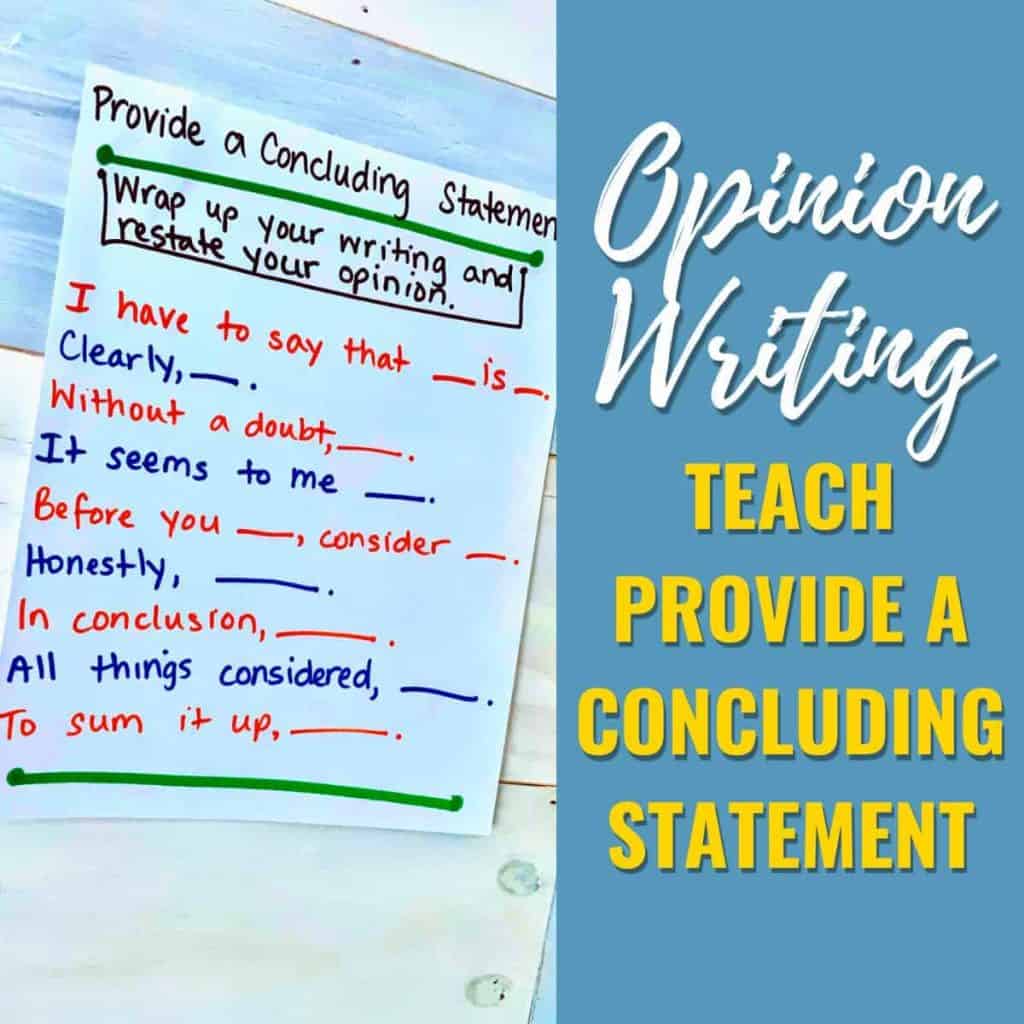
Week 6: Write Conclusions
Goal: Restate the opinion and bring closure.
Best books for clear endings:
- Stella Writes an Opinion
- Red Is Best
- A Pig Parade Is a Terrible Idea
Why these work:
The ending circles back to the opinion and reinforces it clearly.
Week 7: Solidify & Apply Opinion Writing
Goal: Analyze, compare, and apply opinion writing across contexts.
Best books for analysis, sorting, and discussion:
- Hey Little Ant
- Give Bees a Chance
- The Amazing Collection of Joey Cornwell
Why these work:
They’re excellent for identifying components, ranking reasons, and discussing effectiveness.

Videos for Opinion Writing
Many of the books above also have video versions available. Providing students with links to the videos adds a different way to hear the story that might spark even more opinion-writing ideas.
Videos are especially helpful when you want to revisit a text quickly or support students who benefit from auditory input.
Here are links to a few of the videos.


Opinion Writing Unit for Second and Third Grade
You may also be interested in my Opinion Writing Unit for second and third grades. This unit includes scaffolds for teaching each component of the opinion writing process. It guides students through writing well-crafted opinion paragraphs and essays.
Use the opinion writing mentor texts to introduce a component of opinion writing, then use the included worksheets, games, and cooperative learning strategies to solidify students’ understanding of that writing component.

Opinion Writing Blog Post Series
This blog post is part of a series of content all about Opinion Writing. While mentor texts are a strong entry point for opinion writing, the posts below focus on teaching and practicing each component explicitly.
Here are other posts that you can use to teach opinion writing in your classroom.
Read More about Teaching Opinion Writing
7 Ways to Introduce Opinion Writing
Teaching How to State an Opinion
Teaching How to Supply Reasons
Teaching How to Introduce Opinion Writing
Teaching How to Conclude the Opinion Writing
Teaching Ideas to Solidify Students’ Understanding of Opinion Writing
Picture Books to Teach Opinion Writing
Opinion Writing Unit
Opinion Writing Sentence Starters
100 Opinion Writing Prompts

Opinion Writing Unit | 2nd & 3rd Grade Common Core Writing Resource
Teach opinion writing with confidence using this Common Core-aligned Opinion Writing Unit for 2nd and 3rd grade students. This comprehensive resource includes graphic organizers, sentence frames, anchor charts, writing prompts, assessments, and engaging activities that help students develop strong opinion writing skills through both oral language practice and written application.
Jessica BOschen
Jessica is a teacher, homeschool parent, and entrepreneur. She shares her passion for teaching and education on What I Have Learned. Jessica has 16 years of experience teaching elementary school and currently homeschools her two middle and high school boys. She enjoys scaffolding learning for students, focusing on helping our most challenging learners achieve success in all academic areas.