
Biography Projects for Elementary Students: Ideas, Research Tools, and Report Templates
Biography projects are a common research activity in elementary classrooms. When students study the life of a historical figure, they practice reading informational text, gathering facts, organizing ideas, and presenting what they learned to others.
For many students, a biography project is their first independent research assignment. They learn how to research a historical figure, identify important life events, and explain why that person is remembered in history.
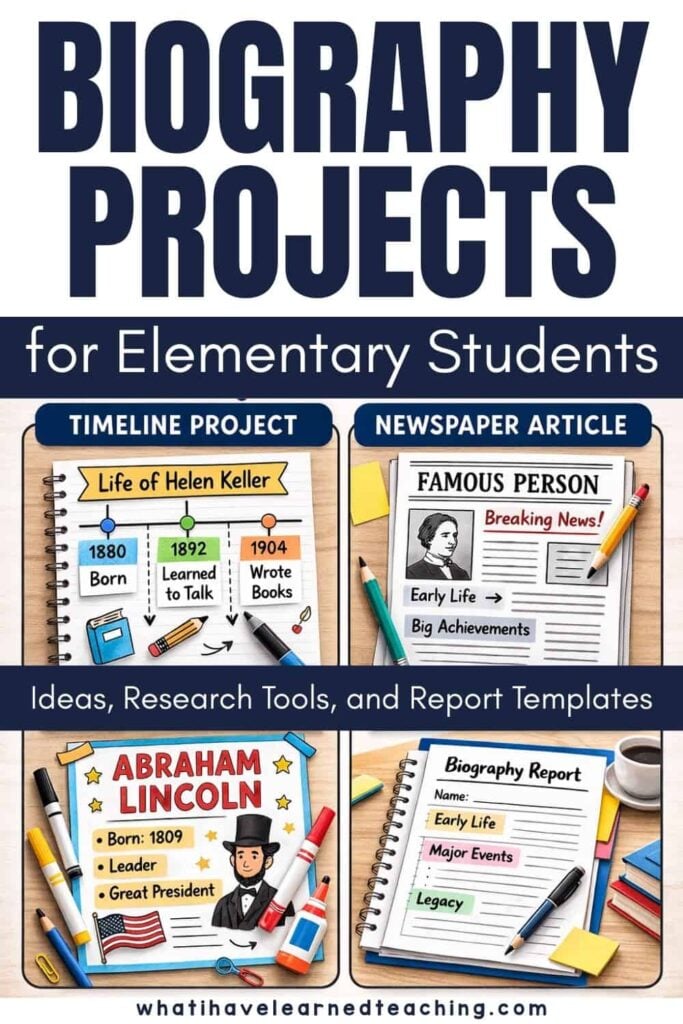
This guide brings together everything teachers need for planning biography projects for elementary students, including research tools, writing support, project ideas, and classroom resources.
Whether you are planning a full biography unit or assigning a short research project, the resources below will help students move through the process, from choosing a historical figure to presenting their final biography.
What Is a Biography Project?
A biography project is a research assignment where students study the life of a real person and present information about that person’s experiences, accomplishments, and historical impact.
Students typically research topics such as:
- early life
- education or training
- major accomplishments
- challenges the person faced
- contributions to society
After researching the person, students organize their information into a final project. This may include a written report, timeline, poster, presentation, or creative display.
For many classrooms, the biography project becomes the foundation of a larger biography unit that combines reading, research, and writing.
What Students Learn During a Biography Project
Students practice many skills during a biography unit, including:
• reading informational texts
• researching historical figures
• taking notes from sources
• organizing timelines and life events
• writing informational reports
• presenting research to classmates
How to Teach a Biography Unit
Teaching biographies works best when students move through a clear sequence of steps. Students first learn about the biography genre, then practice research skills, organize their information, and finally present their learning.
In my classroom, a biography unit typically includes:
- introducing biographies and historical figures
- gathering research information
- organizing notes and timelines
- writing a biography report
- presenting a biography project
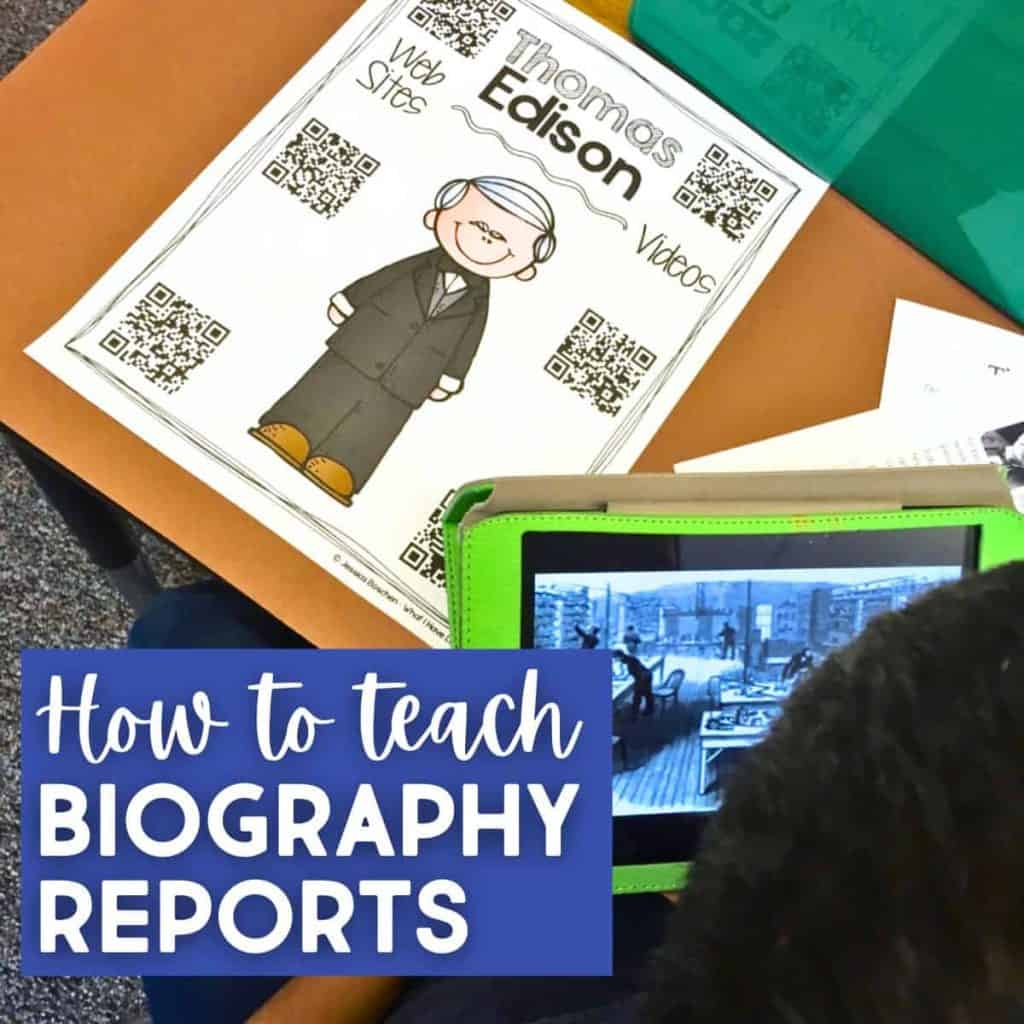
If you want a step-by-step explanation of this process, this guide explains how I teach a biography unit in elementary school, including research strategies and writing scaffolds.
Researching a Historical Figure
One of the first steps in a biography project is choosing a historical figure to study. Some students already have someone in mind, while others may need ideas for people who made an impact on history.
Teachers often provide a list of possible research topics so students can explore individuals from different time periods and fields, such as scientists, inventors, leaders, activists, and artists.
Providing students with a range of options helps them find a person they are curious about and gives them a clear starting point for their research.
If students need ideas, this list of historical figures for biography research includes more than 100 people students can choose from for biography projects and research reports.

If students need help choosing someone to research, this list of historical figures for biography projects includes more than 100 famous people students can study.
Biography Websites for Student Research
When students begin researching a historical figure, many of them turn to the internet to gather information. The challenge is that many websites are written for adults and can be difficult for elementary students to read.
Teachers often provide a list of student-friendly websites so students can find reliable information that matches their reading level. These websites may include short biographies, timelines, images, and videos that help students better understand a person’s life and accomplishments.
Providing curated research sites helps students focus on learning about the historical figure instead of struggling to search through complex articles.

You can explore a collection of biography websites for students that are safe and easy for elementary students to use during research projects.
Biography Questions for Student Research
Once students choose a person to study, they need clear questions to guide their research. Many students struggle to decide which details are important when reading about a historical figure.
Providing research questions helps students focus on the key parts of a person’s life, such as their early years, accomplishments, challenges, and historical impact.
Common biography research questions include:
• Who was the person?
• When and where were they born?
• What important events happened in their life?
• What did they accomplish?
• Why are they remembered today?
Using guiding questions helps students organize their notes and gather the information they need for their biography reports.
You can see a full list of biography questions for students that help guide research and note-taking during a biography project.
These biography questions for students can guide note-taking and help students focus on the most important details about a person’s life.
Parts of a Biography
Before students begin writing their reports, it helps for them to understand the typical structure of a biography. Biographies follow a predictable format that helps readers learn about a person’s life in an organized way.
Most biographies include information such as:
- early life and background
- important events in the person’s life
- major accomplishments
- challenges the person faced
- how the person influenced others
Understanding these parts helps students organize their research and determine which details are most important to include in their report.

If your students need help understanding biography structure, this guide explains the parts of a biography for kids and shows examples of how each section fits together.
Writing a Biography Report
After completing their research, students begin turning their notes into a written biography report.
A typical biography report includes sections such as:
- introduction to the person
- early life and background
- major accomplishments
- important life events
- why the person is remembered
Students often benefit from structured writing support during this stage. Graphic organizers, timelines, and report templates help students organize their ideas before writing their final report.
These biography report templates provide structured formats students can use to create written reports, lapbooks, or presentation displays.

For a full walkthrough of the writing process, this guide explains how students can write a biography step-by-step.
Biography Project Ideas
Once students complete their research, they can present their work in a variety of formats. Some teachers assign a traditional written report, while others include creative presentation options.
Common biography project ideas include:
- biography reports
- poster projects
- timeline displays
- living museum presentations
- newspaper articles about the person’s life
- biography lapbooks or trifold displays
Different project formats allow students to show their learning in different ways while still demonstrating their understanding of the person’s life and historical significance.
Teachers often give students several options for presenting their research. The ideas below are some of the most common formats used in elementary classrooms.

You can explore more options in this list of biography project ideas for elementary students.
More Biography Resources for Teachers
Teachers often look for resources that make managing biography projects easier in the classroom. Structured materials can help students stay organized while guiding them through each stage of the research process.
Some helpful biography resources include:
- short biographies written for students
- research graphic organizers
- comprehension activities
- biography report templates
- QR codes linking to research videos and websites
You can also explore collections of biographies written specifically for elementary students, which include reading passages, vocabulary support, and report-writing activities.
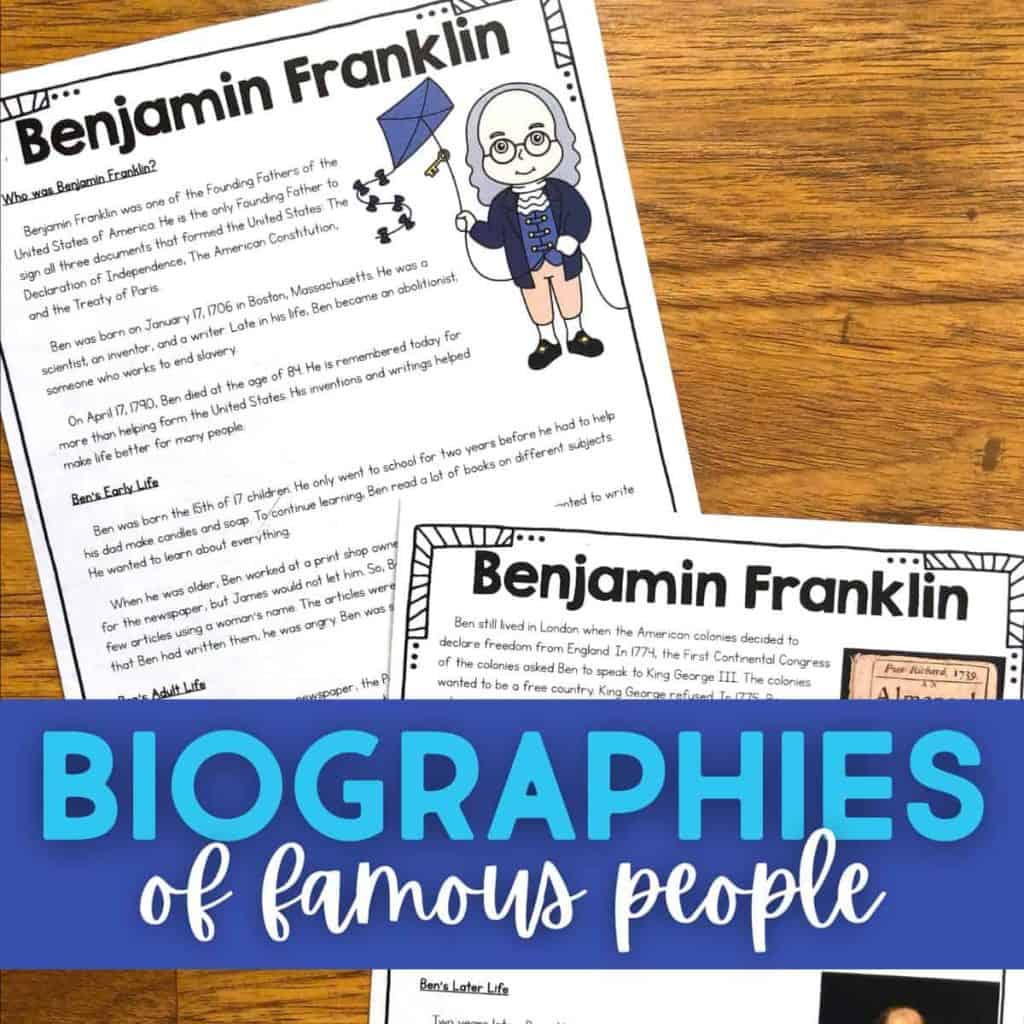
These short biographies for elementary students provide accessible informational texts that students can use for research and report writing.
If you’re planning a biography unit, these articles may also be helpful:
- How to Teach a Biography Unit in Elementary School
- Biography Project Ideas for Elementary Students
- Biography Websites for Student Research
- Historical Figures for Biography Projects
- Biography Report Templates for Students
- Biography Questions for Student Research
Biography projects help students connect reading, research, and writing while learning about influential people in history. With the right research tools, writing supports, and project ideas, students can complete their first biography project and develop important informational writing skills.
Looking for meaningful informational texts that your elementary students will stay engaged with?
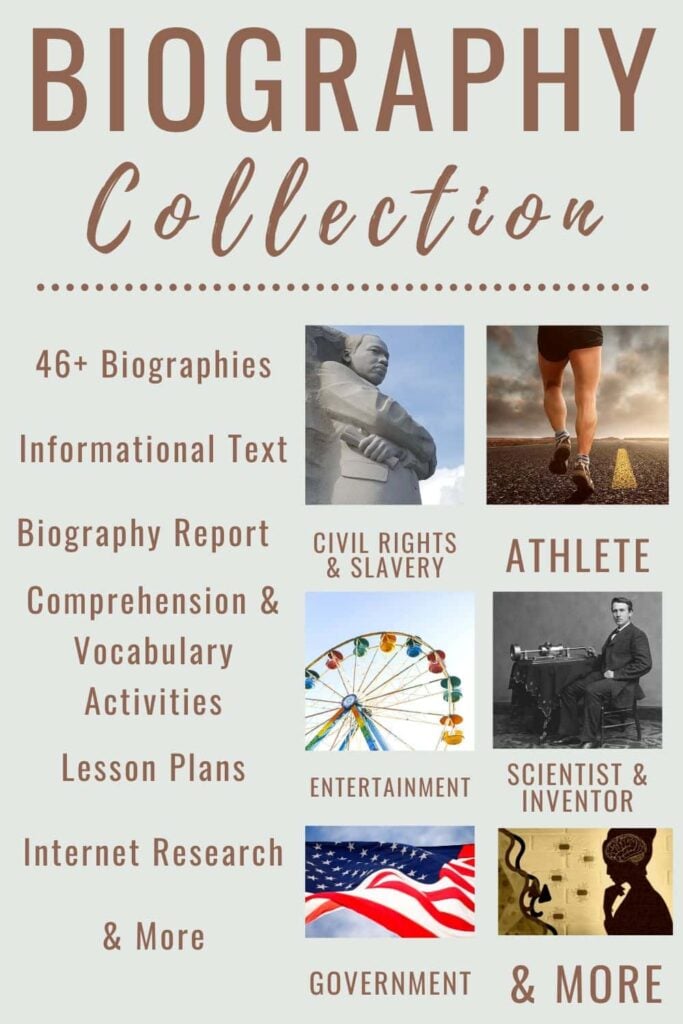
The Biography Bundle includes 46+ biographies on topics such as civil rights, athletes, scientists, government leaders, and more. Each biography has reading comprehension, vocabulary, and structured writing activities.
Students build skills in informational reading, research, and biography report writing while learning about influential people from history and today.
Jessica BOschen
Jessica is a teacher, homeschool parent, and entrepreneur. She shares her passion for teaching and education on What I Have Learned. Jessica has 16 years of experience teaching elementary school and currently homeschools her two middle and high school boys. She enjoys scaffolding learning for students, focusing on helping our most challenging learners achieve success in all academic areas.