
How to Teach a Biography Unit in Elementary School

Teaching a biography unit in elementary school is often the first time students research a real person and turn that information into a report or project. When thinking about how to teach a biography unit, teachers help students read informational texts, gather notes, organize ideas, and share what they learned about an important historical figure.
For many students, this is also their first independent research project. With clear modeling and structured support, students can learn how to research biographies, organize their information, and present what they discover about people who shaped history.
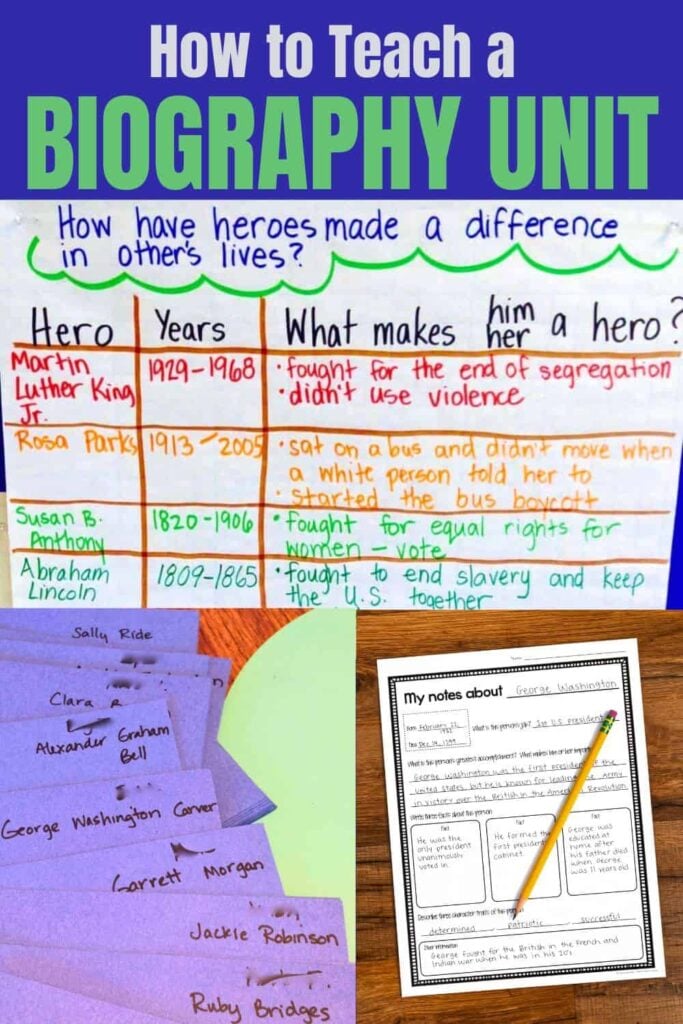
The key to a successful biography unit is modeling and scaffolding the research and writing process. When students are given clear steps, structured note-taking tools, and strong examples, they can successfully research and write biography reports.
Below is the process I use when teaching biographies and biography reports in elementary school.
How to Teach a Biography Unit in Elementary School
Teaching a biography unit works best when students move through a clear sequence of steps. Students first learn what biographies are, then practice research skills, gather information about a historical figure, and finally write and present their biography reports.
In this unit, students will:
- learn what biographies are
- research a historical figure
- organize notes and information
- write a biography report
- present their learning to the class
Introducing Biographies to Students
When teaching a biography unit, I begin by helping students understand what a biography is and why we study important people from history.
We usually begin our biography unit in January around Martin Luther King Jr. Day. Martin Luther King Jr. becomes our first example of a biographical figure.
During this time we:
- read several biography books
- discuss why the person is important
- model how to locate information in a text
- begin identifying key events in a person’s life

As we read biographies together, we create a class anchor chart that includes:
- the person’s name
- important dates
- major accomplishments
- why the person is remembered
Studying one person in depth is a new concept for many students, so spending time building background knowledge helps students understand the purpose of the biography project.
If you are looking for reliable places for students to research their historical figure, this list of biography websites for students can be helpful.
Biography Sorting Activity for Introducing Biographies
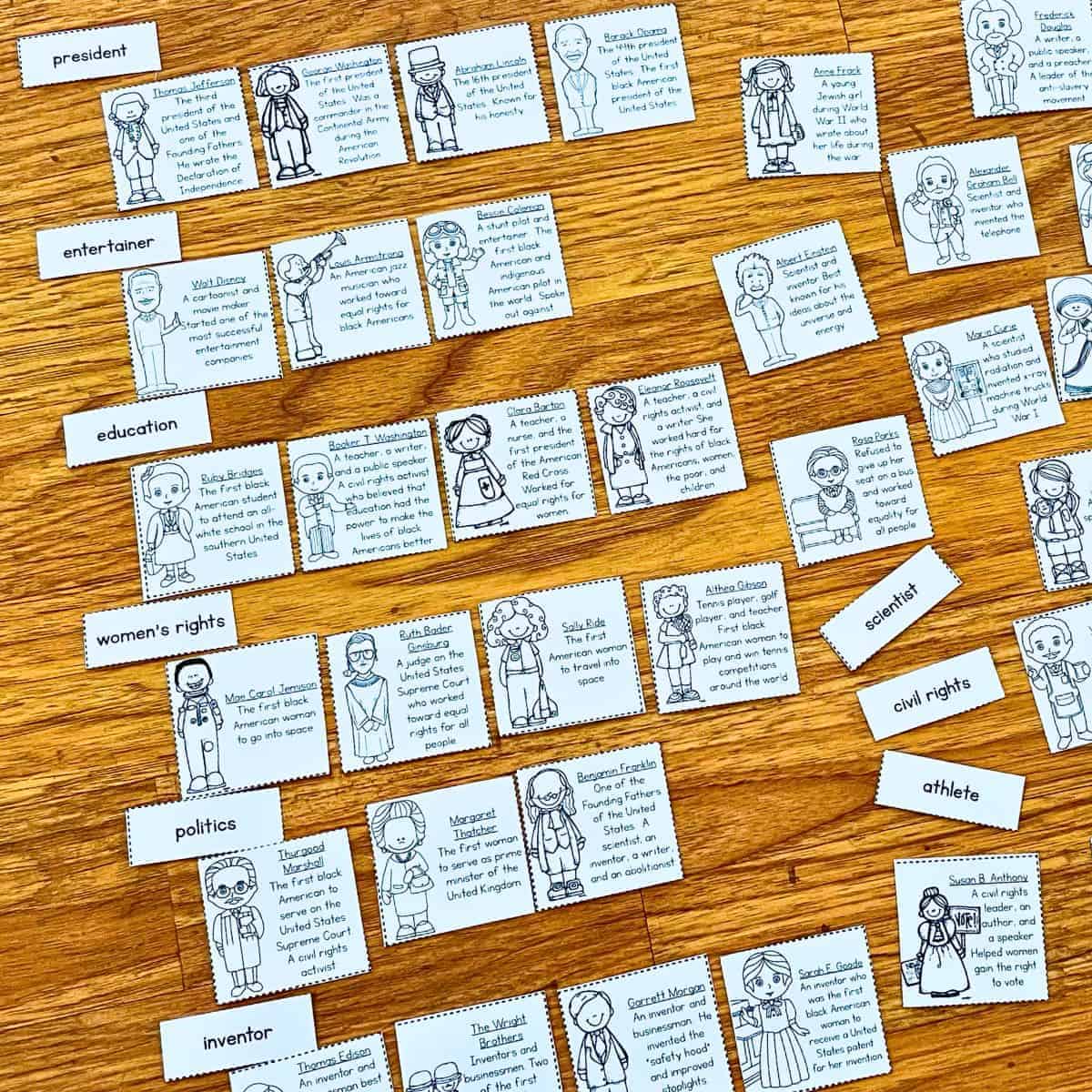
Before students begin researching a historical figure, it helps to expose them to a variety of important people from history. Many students are only familiar with a few well-known names, so I like to begin our biography unit with a sorting activity.
In this activity, students sort famous people into categories such as:
- inventors
- civil rights leaders
- scientists
- athletes
- entertainers
- political leaders
As students read the short descriptions, they begin noticing how different people contributed to society in different ways.
This activity is a simple way to introduce biographies while helping students learn about a wide range of historical figures.
Teaching Biography Research Skills
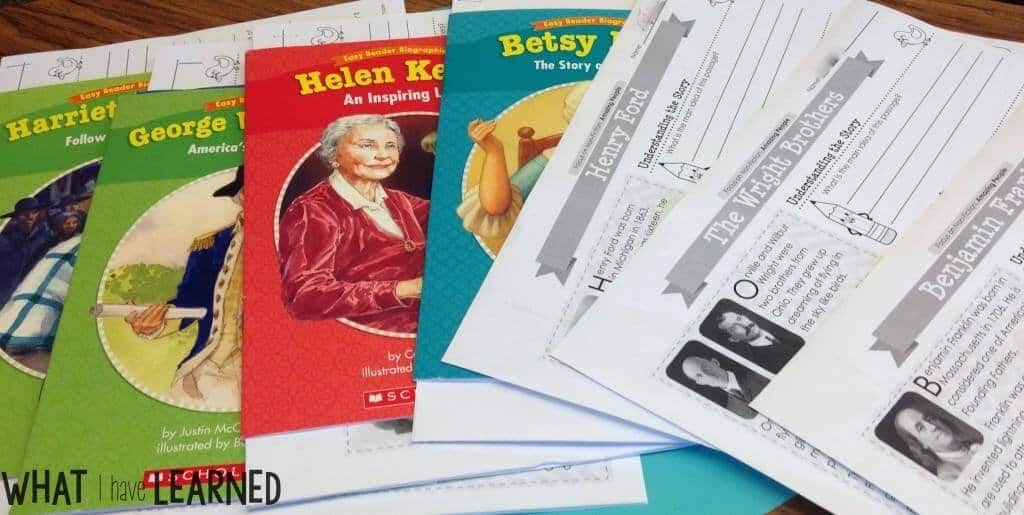
One of the most difficult parts of a biography unit is finding reading materials that are appropriate for students’ reading levels.
Many biographies written for adults are dense and difficult for younger students to understand. Because of this, I gather a variety of resources so students can access information in multiple formats.
These resources may include:
- easy-reader biography books
- short informational passages
- printable biographies written for students
- videos and digital resources
Providing multiple texts about the same person allows students to gather information from different sources without becoming overwhelmed by difficult reading material.
The goal is to help students focus on learning about the historical figure, not struggling through texts that are too difficult.
Letting Students Choose Their Biography Subject
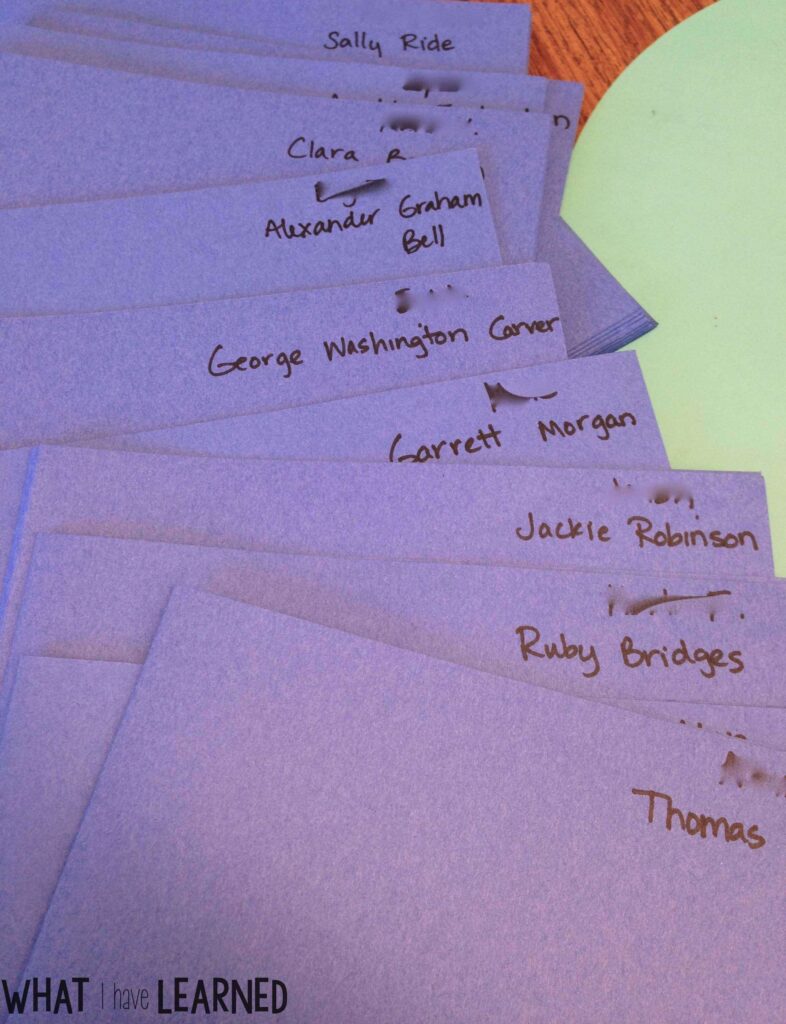
To increase engagement during our biography unit, students are given a chance to suggest people they would like to research.
Students write down three or four historical figures they would like to learn about. If the class discussions and read-alouds have introduced a variety of historical figures, students usually have several ideas.
When assigning biography topics, I consider several factors:
- reading level of the student
- availability of research materials
- complexity of the person’s life story
For example, inventors are often easier for younger students to research because their accomplishments are easier to explain. Presidents can be more difficult because their accomplishments are often broader and harder for students to summarize.
This step allows students to feel ownership of their project while still ensuring that each student receives a topic that matches their learning needs.
If you need ideas for student topics, this list of historical figures for biography projects can help.
Preparing Research Packets for Students
To make research time productive, I prepare individual research packets for each student.
Each packet includes:
- informational texts about the person
- note-taking pages, graphic organizers, and templates
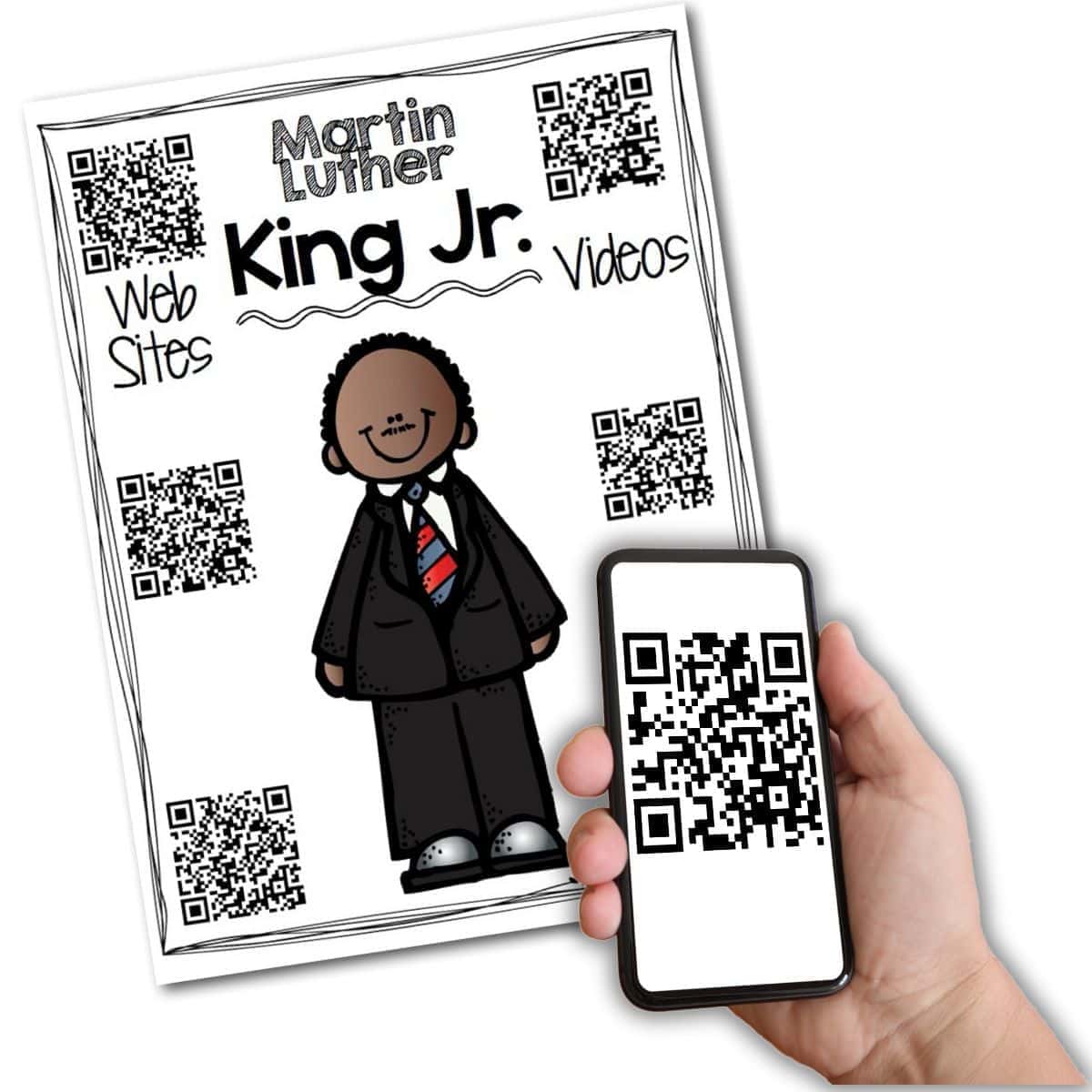
- QR codes for videos and additional information
By providing the research materials in advance, students can focus on reading and gathering information instead of spending time searching for resources.
One of the most helpful tools during this stage is using QR codes that link to videos and kid-friendly websites. Students who struggle with reading can still learn important facts by watching short informational videos.
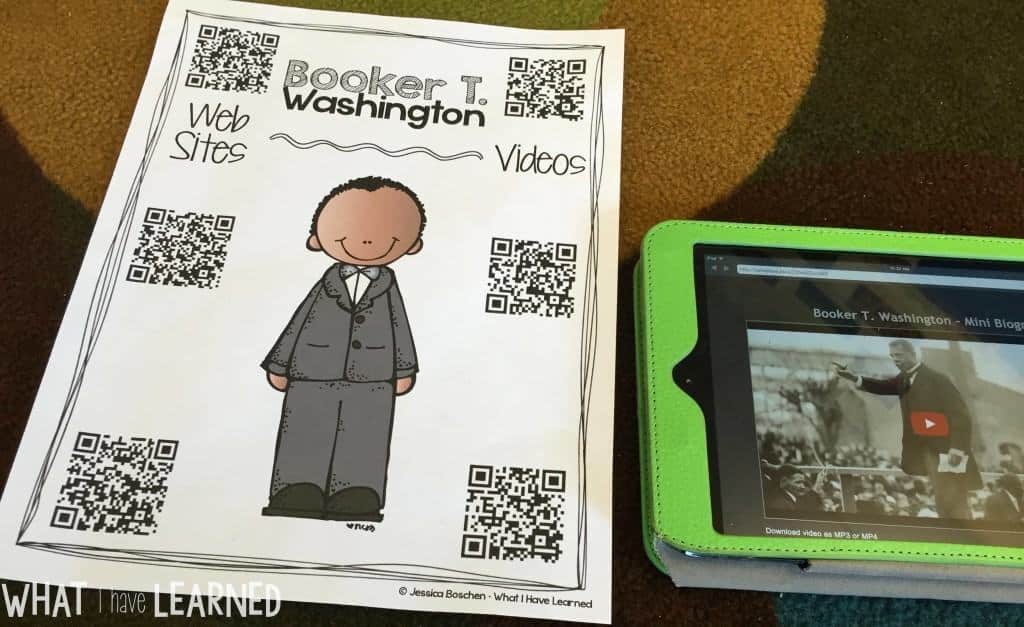
Are you interested in some QR Codes to jump-start your students Biography Research? Click below for some FREE QR Codes for Martin Luther King Jr.
Research Time!
Students usually spend about a week researching their historical figure.
During this time students:
- read books and articles
- watch informational videos
- gather facts using note-taking pages
- record important information in graphic organizers
One important change I made over the years was providing the research materials instead of asking students to locate them independently.
Previously, students spent too much time trying to find information. By providing the resources, students can focus on the real goal of the unit: learning about their historical figure and gathering information for their report.

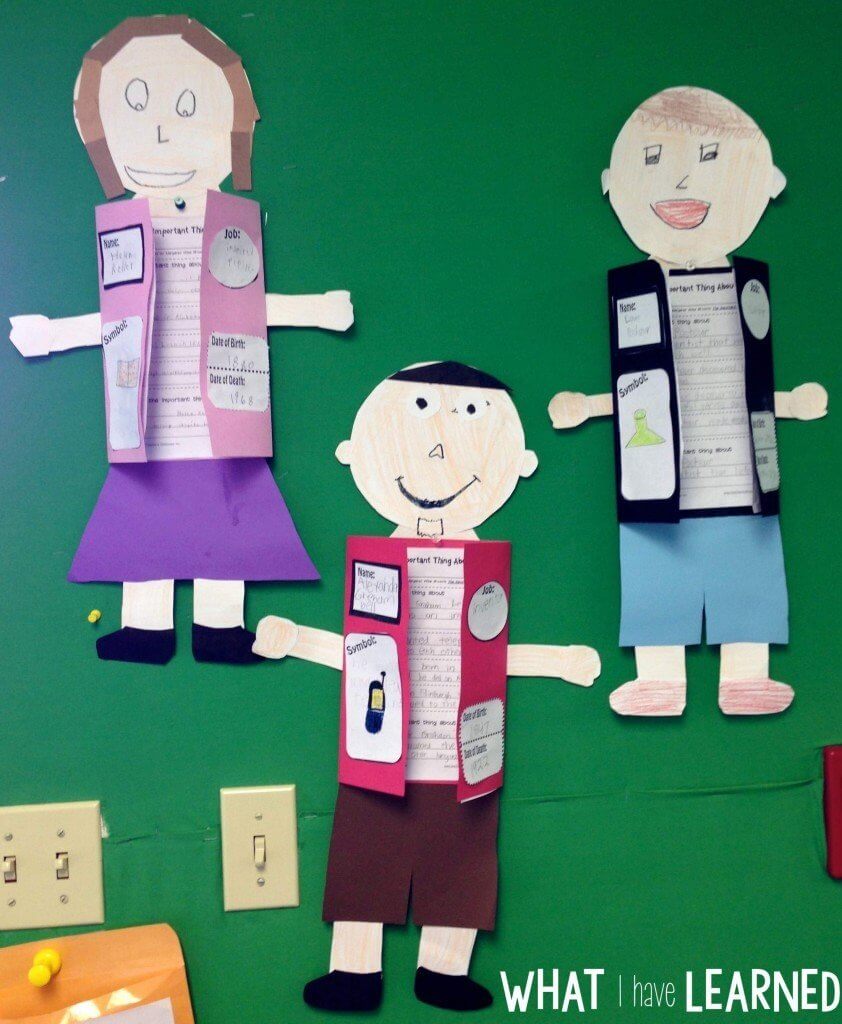
The following graphic organizers and reports can be found in my Biography Report for ANY Person resource.

I have students fill out a graphic organizer while researching that includes basic questions and prompts. Most students are able to find enough information to fill out the graphic organizer. From there, they move on to a scaffolded report that includes sentence frames and then a final report.
Writing the Biography Report
After students complete their research notes, they begin writing their biography report.
The writing process usually happens in three stages:
- Graphic organizer with research notes
- Scaffolded report using sentence frames
- Final written biography report
The scaffolded report helps students turn their notes into complete sentences and organized paragraphs.
Younger students often need sentence starters and structured writing pages. As students get older, expectations can increase, and students can write longer, more detailed reports.


Biography Report & Biography Project – Research and Writing Activities (Grades 2–5)
Make biography projects meaningful and engaging with this Biography Report & Research Project for grades 2–5! This flexible resource includes graphic organizers, genre posters, multiple report formats, lapbook templates, trifold reports, and construction paper people so students can research and present any historical figure.
Presenting Biography Projects
Once students finish their reports, they present their biography project to the class.
Students share:
- who their historical figure was
- important events in the person’s life
- major accomplishments
- why the person is remembered today
Many teachers combine the report with a creative presentation, such as:
- poster presentations
- timeline displays
- living museum projects
- biography newspaper articles
If you’re looking for additional presentation options, these biography project ideas for elementary students include several ways students can share their research.
Biography Resources for the Classroom
Over the years I have created several resources that help students research historical figures and write biography reports. These tools support students during the research, writing, and presentation stages of a biography unit.
These include:
- biography research QR codes
- biography report templates
- reading passages about historical figures
- graphic organizers for research and writing
These tools help students organize their information and guide them through the biography research process.
Biography Research QR Codes
One of the challenges when teaching biographies is helping students access information at their reading level. Biography Research QR Codes allow students to watch short informational videos and explore websites about historical figures.
These QR codes include people such as:
- George Washington
- Abraham Lincoln
- Harriet Tubman
- Rosa Parks
- Ruby Bridges
- Sally Ride
- The Wright Brothers
- Jackie Robinson
- Jesse Owens
Students can scan the codes using tablets or devices and record the information they learn while researching.

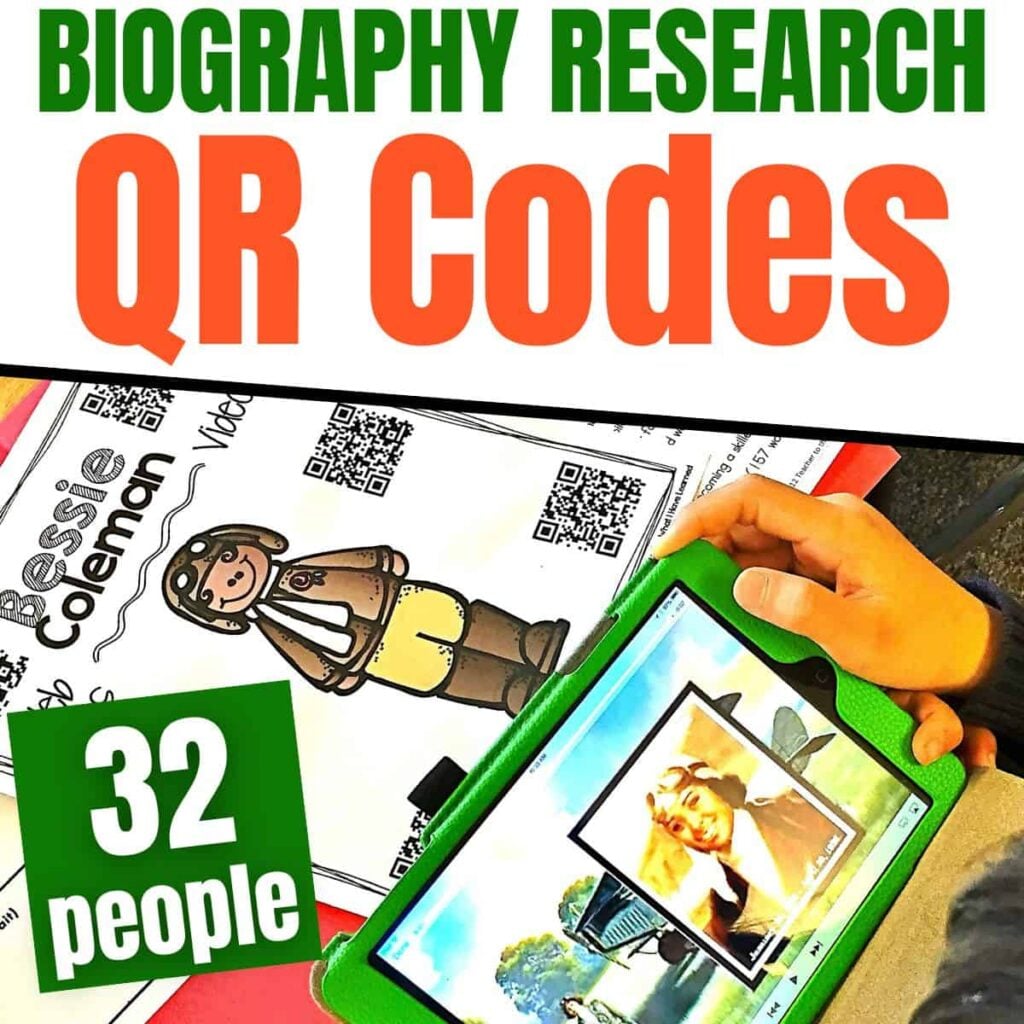
Biography Research QR Codes for Scaffolding Students’ Research
Do your students struggle finding information on famous historical figures? Do you have technology in your classroom that could help, but aren’t sure how to get all of your students to access the websites they need? These Biography QR Codes will link your students to informational websites and videos.
Biographies about Important People
I also have a collection of short biographies written specifically for students. These reading passages introduce students to important historical figures and help them gather information for their biography reports.
Each biography resource includes:
- vocabulary cards
- reading passages
- comprehension questions
- note-taking organizers
- report pages
- QR codes for additional research
These biographies help students practice reading informational text while learning about people who shaped history.

Teaching biographies allows students to learn about people who shaped history while developing important research and writing skills.
With strong modeling, structured research tools, and clear writing support, even younger students can complete a biography research project.
When students finish their biography reports and share what they learned with the class, they begin to see history as a collection of real stories about people who made a difference.
Looking for meaningful informational texts that your elementary students will stay engaged with?
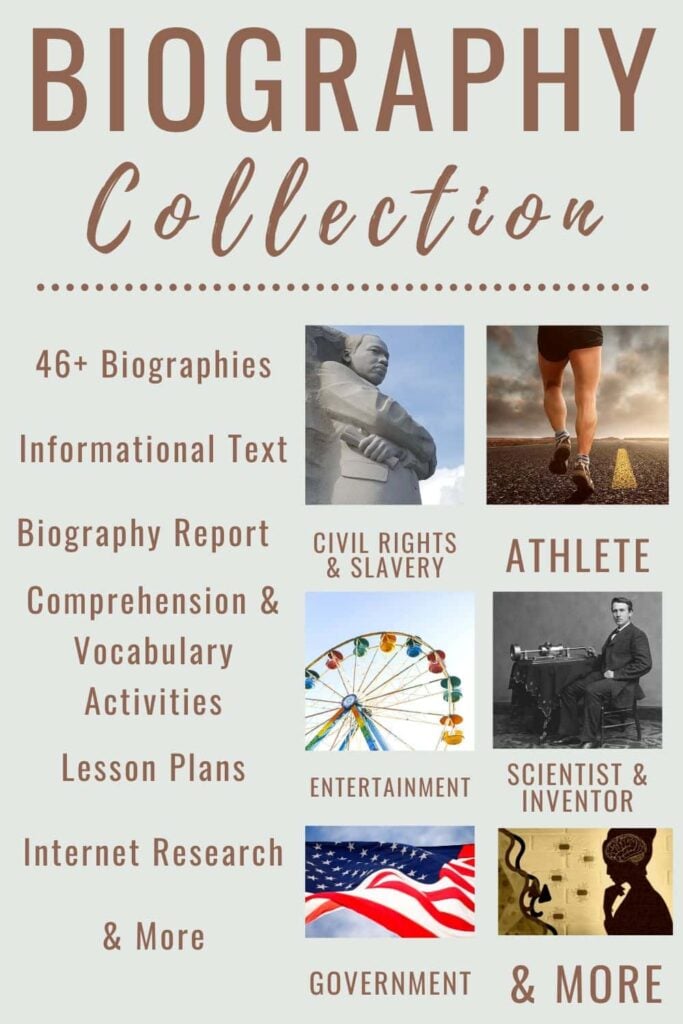
The Biography Collection includes 46+ biographies across topics like civil rights, athletes, scientists, government leaders, and more—each paired with reading comprehension, vocabulary, and structured writing activities.
Students build skills in informational reading, research, and biography report writing while learning about influential people from history and today.

We love your bio buddies! They are perfect for us as we start introducing books across genres. Thanks for sharing!
🙂 Tamra and Sarah
firstgradebuddies2.blogspot.com
Is there a way we can get the graphic organizers that you have posted? Thank you!
YES! I just uploaded a resource for Biography Reports for ANY Person. You can check it out here: https://whatihavelearnedteaching.com/biography-research-report-for-any-person/
I have enjoyed your reflection on teaching biographies! I would like to encourage you to remove the chart you used in your classroom as ‘heroes” is spelled incorrectly. It can be spelled “heros” when using it to specify sandwiches or submarines.
Thanks for the editing! I’ve corrected the image 🙂