
Multiplication Fact Activities That Build Real Fluency
Once students understand what multiplication means, the next challenge is building fluency with the facts. That is where multiplication fact activities come in, not flashcard drills that feel high-stakes, but practice formats that give students the repetitions they need in ways that actually hold their attention. Here are five approaches that work well in 3rd grade, either in whole-class instruction, math stations, or partner practice.
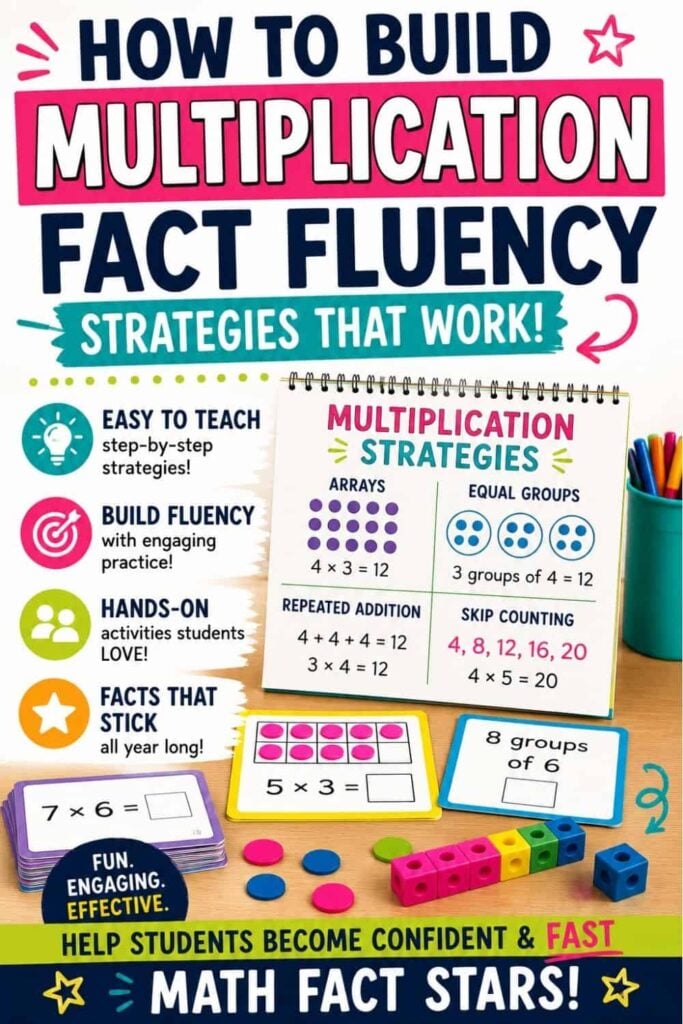
If your students are still building their conceptual understanding of multiplication through equal groups, arrays, and the area model, start with this post on how to teach multiplication first. The activities below work best once students have that foundation.
Skip Counting as a Multiplication Fact Activity
Skip counting is the bridge between understanding equal groups and automatically recalling facts. When students count by threes, they are building the 3s multiplication table, even if they haven’t thought of it that way. The key is making that connection explicit: 3, 6, 9 becomes 3×1, 3×2, 3×3. Students who can skip count fluently have a strategy to fall back on when memory fails, which is exactly the kind of flexibility 3rd graders need.
Practice skip-counting sequences and then link each number in the sequence to its multiplication expression. Write them side by side so students can see the relationship. Once students recognize the pattern, they can use it as a check on their answers: “Does 3×7 equal 21? Let me count by threes to see if 21 lands in the right spot.”
Skip-counting songs make this stickier. There are dozens on YouTube, and having students vote for their favorites gives them ownership over the practice. Once students know the tune, they can sing it quietly during independent work; that is a legitimate recall strategy, not a shortcut.
Multiplication Fact Activities Using Games
Games are one of the most effective practice formats for multiplication facts because students encounter the same facts repeatedly without the repetition feeling punishing. A student who plays Multiplication War for 15 minutes has seen far more multiplication problems than one who fills out a worksheet in the same time, and they’ve had to produce the answer aloud, which is a stronger retrieval practice than circling or writing.
Multiplication War
Each player flips two cards from a standard deck, multiplies them together, and says the product aloud. The player with the higher product wins the round. It requires no prep beyond a deck of cards and works as a station activity while you pull small groups. To differentiate, remove higher-value cards for students still building fluency with smaller facts.
Dice Games
Dice games follow the same basic structure as card games, but feel different enough to stay fresh.

These multiplication dice games are designed specifically for single-digit fact practice and work well in math stations, as a partner activity, or as a fast finisher choice. Students roll, multiply, and record — simple to manage and high on practice volume.
The Array Game
This one sits at the intersection of conceptual understanding and fluency practice. Students take turns rolling dice and drawing arrays on grid paper, competing to fill the most space. The Array Game reinforces the area model while keeping students thinking about the relationship between factors and products rather than just retrieving answers by memory.

Board Games
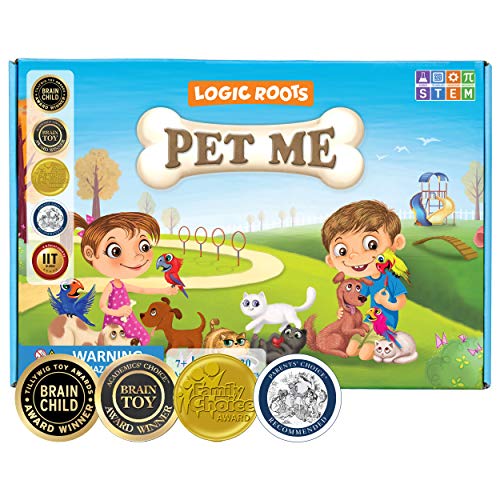
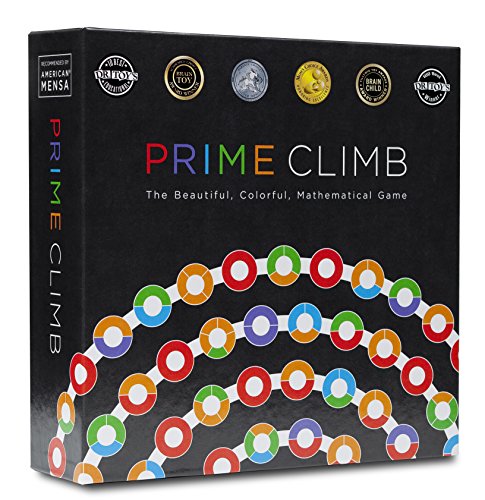
For students who need more time connecting multiplication to meaning, some board games build the concept while providing fact practice. Pet Me focuses on equal groups and sharing. Monster Sock Factory moves from repeated addition into multiplication, making it a strong bridge game for early 3rd grade. Prime Climb works better once students have solid fluency and are ready for a challenge that uses all four operations.

Number Puzzles for Meaningful Multiplication Fact Practice
Puzzles add a problem-solving layer to fact practice that straight recall doesn’t. Instead of simply retrieving a fact, students interpret it, connect it to a model or a word problem, and use it to complete the puzzle. That extra processing step builds the kind of flexible understanding that helps students apply multiplication in new contexts — not just on a timed test.

These number puzzles for 3rd-grade math stations cover all of the 3rd-grade multiplication and division standards and are print-ready. Each puzzle has students match a multiplication expression, a product, a visual model, and a word problem, so they’re working with facts across multiple representations. This makes them especially useful for students who can recall facts accurately but struggle to apply them in word problems.

Help Students Focus on the Multiplication Facts That Need Memorizing
Here’s something that surprises many teachers the first time they see it laid out: once students apply the facts they already know through the 0s, 1s, 2s, 5s, 10s, and the commutative property, the number of multiplication facts that genuinely require rote memorization drops dramatically.
There are really only about 21 facts left. That is a far more manageable target than the full 144-cell times table grid, and students who understand this tend to approach memorization with less anxiety. This post walks through exactly which facts those are and the best sequence for introducing them. It’s worth reading before you begin any targeted memorization work with your class.
When students know which facts they are responsible for, practice feels purposeful rather than endless. Combine that focused list with the games and skip counting strategies above, and most students can reach fluency without spending the rest of the year on drills.
Use a Multiplication Chart as a Learning Tool
A multiplication chart is not a crutch — it’s a scaffold. Students who actively use a chart, looking for patterns rather than just looking things up, build number sense alongside factual knowledge. Where do the square numbers appear? Why does every multiple of 5 end in 0 or 5? What do you notice about the 9s row?
Multiplication chart activities give students structured ways to explore those patterns rather than just using the chart as a reference. Over time, students who engage with the chart this way internalize the relationships — the chart becomes a thinking tool rather than an answer key.
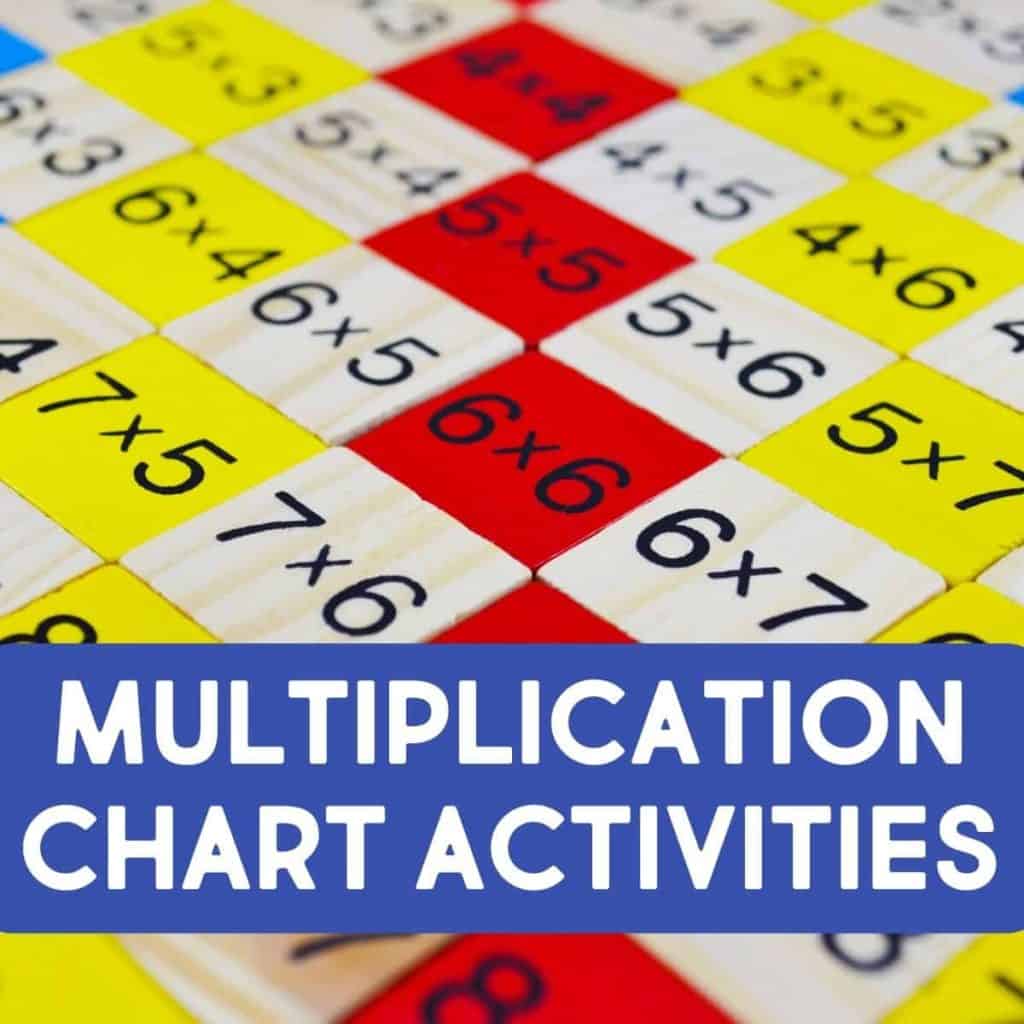
These activities help students recognize patterns, learn their facts, and build conceptual knowledge.
Frequently Asked Questions about Multiplication Fact Fluency
Final Thoughts on Multiplication Fact Activities
The most effective multiplication fact activities share one thing: they give students meaningful repetitions without making practice feel punishing. Skip counting builds patterns. Games drive retrieval volume. Puzzles push for application. And narrowing the memorization target makes the finish line visible. Use these formats in rotation, and students will build fluency faster than any single drill approach can deliver.
The National Council of Teachers of Mathematics is clear that procedural fluency, including fact fluency, develops most durably when students use strategies rather than memorized answers. These activity formats put that principle into practice.
Looking for ready-made resources to support fact fluency practice? My multiplication activities, games, and stations are available in my TPT store and cover the full range from skip counting through targeted memorization practice.

As a school psychologist I see my kid just cringe when they see a multiplication problem on the test and my heart goes out to them.Thank you for teaching me a way to help them visualize how multiplying works….I can imagine their smiles when they see that its not so scary after all ! Thank-you, thanks you !