
Essential Tips for Teachers for the First Day of School

The first day of school can be both exciting and nerve-wracking for a teacher. You want everything to go smoothly, so you think through all of the little details. It’s essential to prepare in advance to ensure a smooth and successful start to the academic year.
Here are some tips for teachers on the first day of school.

I remember my first day of teaching in my first year. I started my career in fifth grade, and I had butterflies in my stomach that first day. I had planned everything the best way I knew how, but really, I had no clue what I was doing!
In came 28 fifth graders, most of whom were pretty close to my size! I don’t remember exactly what we did that day, but it was most likely some name games, getting-to-know-you activities, and team-building games. Fast-forward 16 years, and I can tell you my first days now start way smoother than my first day of teaching!
Whether your first day of school is next week or a few weeks away, you’ll want to be sure you have a few key things in place.
This post contains links to affiliate websites, such as Amazon, and we receive an affiliate commission for any purchases made by you using these links. We appreciate your support!
Three Tips for Teachers For The First Day of School
First, planning your lessons for the day and week ahead is key. This includes both academic and non-academic activities to help you get to know your students and establish rapport with them. Lesson plans should include ice-breaker activities, name games, establishing engagement routines, and instruction on how to use classroom supplies.
Second, setting clear expectations and routines from day one can help establish a structured and focused learning environment. Communicate your expectations to your students clearly and ensure that they understand what is expected of them. Establishing routines such as morning routines, transitioning between activities, and end-of-day routines can help the class run smoothly.
Third, creating a welcoming and inclusive environment can set the tone for a positive and engaging school year. Plan fun and exciting icebreaker activities to encourage student interaction and participation. Get to know your students personally by learning their names, interests, and hobbies and integrate these into your lessons. This can help students feel valued and respected and create a sense of belonging.
These tips for teachers on the first day of school can help you prepare and establish a positive foundation for the rest of the academic year. You’ll be able to set the tone for a successful and rewarding year of teaching.
Classroom Management Strategies for the First Day of School
Here are a few classroom management strategies to help you get started on the first day:
Consider Students’ Seating Arrangements
On the first day of school, I let students sit wherever they want. Shocking, I know. I do this because I don’t know the students yet, but for the most part, unless you teach kindergarten, they know each other.
Observe Students and Their Choices
I want to see who students sit next to and choose to talk to. I want to observe how they choose to interact with one another. This gives me a pretty good idea of classroom dynamics and personalities. On the first day, students are usually so nervous that they don’t act out too much, but you can get an idea of their choices.
Multiple Opportunities to Meet Students Throughout the Day
The other reason I don’t put things on students’ desks is that I want an opportunity to hand out materials myself. Partly so I can talk about how to use the materials and care for them, but also so that I can walk around and get to know the name and face of each student. When I’m handing out pencil boxes, notebooks, folders, etc., I get multiple opportunities to meet each student for a couple of seconds. Every time I drop off materials, I say each student’s name. By the end of the day, I had memorized all their names and faces.
I also don’t want to overwhelm students with too much stuff on the first day that we don’t necessarily need until later in the week. I hold onto supplies, like notebooks and folders, and hand them out as we engage in the activity that requires that supply.
Create a Structured and Organized Classroom Environment
A structured environment is important in the classroom. It promotes organization, routine, and predictability, which can help students feel safe and secure. Spend a few days thinking about how you want to organize your classroom and how students will move around your classroom. Here are a few questions you can use to think about your classroom setup:
- Is the classroom layout conducive to student engagement and interaction?
- Are the desks or tables arranged in a way that allows for easy movement and collaboration?
- Are there designated areas for different activities, such as reading corners, art stations, or science exploration areas?
- Is there enough storage space for materials and supplies?
- Are the classroom materials and resources easily accessible to students?
- Is there a designated area for displaying student work and achievements?
- Are there clear and visible classroom rules and expectations?
- Is there a designated area for whole-group instruction, such as a whiteboard or smartboard?
- Are there comfortable seating options for students, such as bean bags or floor cushions?
- Is there enough natural lighting in the classroom?
- Are there designated areas for quiet and independent work?
- Is there a designated area for small-group instruction or guided reading?
- Are there visual aids, such as posters or charts, that support student learning?
- Is there a designated area for technology, such as computers or tablets?
- Is there a designated area for classroom supplies, such as pencils, paper, and books?
- Is there a designated area for student belongings, such as backpacks or coats?
- Is there a designated area for sensory breaks or calming activities?
- Is there a designated area for hands-on learning activities or manipulatives?
You can also create a positive atmosphere by decorating your classroom with colorful posters, inspiring quotes, and other decorations that reflect your students’ interests and backgrounds. Additionally, ensure your classroom is clean, organized, and free from clutter, which can be overwhelming and distracting for students.
Build Relationships with Students
Building relationships with students is crucial for a positive and productive learning environment. Take some time to get to know your students personally to understand their interests and backgrounds. This will help you create connections and communicate better with them.
Greet Students at the Door
Greeting each student at the door with a smile and a handshake can make them feel valued and respected. Consider creating a morning greeting routine that gives students a choice in how they are greeted each day. Some selections could be:
- a wave
- a hug
- a handshake
- a dance
After a week or two of school, ask your students if they have additional ideas to create some student buy-in with the routine.
Show Interest in Your Students’ Lives
Another way to make your students feel welcome is to show a genuine interest in their lives outside of school. Ask them about their hobbies, goals, and family life, and use this information to create meaningful connections with your students.
I used to send home a postcard at the beginning of the school year welcoming students to our classroom. Kids loved receiving mail from me!
Establish Clear Expectations with Routines and Procedures
From the start of the day, communicate your expectations. This should be done through a written list, verbally, and with a lot of practice. Students need to know what is expected of them regarding behavior, participation, and assignments, including how to walk in a line. Students should know that you have a zero-tolerance policy for disruptive behavior and that consequences will be given for failing to meet expectations.
Routines help establish structure and help students feel more comfortable in the classroom. Establish routines for transitions, class discussions, and other activities. This will help minimize lost time and ensure every student knows what is expected of them.
Tips for Establishing Routines
Go slow. Be deliberate—very deliberate. Explain EVERYTHING—to the point where you think you’re going overboard. Every opportunity you get, go over how to do something both in and outside of the classroom. Chorally repeat them. Model them. Practice them.
Remember areas outside the classroom, like the playground, bathroom, hallways, etc. How do you want students to behave in those areas?
Teach. Model. Practice. Repeat.
Use Classroom Management Tools
Many classroom management tools can be used to manage the classroom effectively. For example, some teachers use a traffic light system to signal activity status in the classroom. Green means go, yellow means slow down, and red means stop. Other tools include timers, whiteboards for students to write out answers, or self-assessment surveys to understand their own learning needs better.


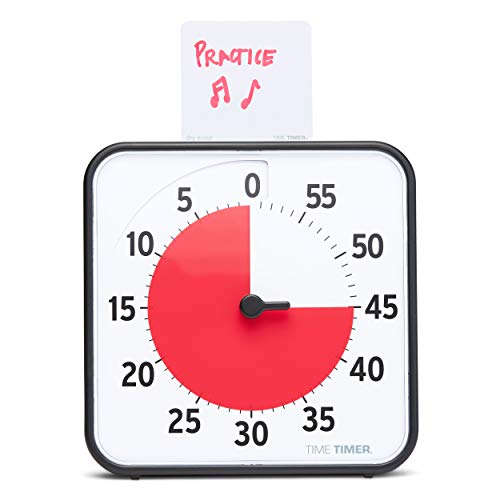

On the first day of school, the goal is to establish structure and predictability. You can create a positive and productive learning environment by setting clear expectations, creating a structured environment, building relationships, managing behavior effectively, establishing routines, and using classroom management tools.
Read More about Classroom Management ideas for the Beginning of the School Year
Using a Classroom Money System to Support Student Behavior
49 Easy to Implement Classroom Rewards
10 Classroom Management Strategies for Direct Instruction
7 Tips for Teaching Students to Walk in Line
Classroom Management Strategies that Work
26 Rules and Procedures for Your Classroom
Tips for a Quieter Classroom
Building a Welcoming Environment with Engaging Activities and Icebreakers for the First Day of School
Engaging activities and icebreakers</a> can play a significant role in achieving this goal. By incorporating interactive games and team-building exercises, students can quickly get to know one another and feel more comfortable in their new surroundings. Whether it’s a simple name game or a collaborative project, these activities break the ice and foster a sense of community and belonging.
This can be achieved through a variety of icebreaker activities and engaging strategies that encourage interaction, foster connections, and promote active participation.
Here are some tips on how to ensure that your classroom is a warm and inviting space that promotes learning and engagement:
Plan an Independent Activity for First Thing in the Morning
Have something for students to do when they walk in the door. Place it on their desks before the day starts so that you have time to greet each student and talk to parents.
If you teach kindergarten and your school allows it, I encourage you to invite parents in and help their children get settled. Making a good home/school connection is important. One way to get a good start is on the first day when parents hand their children off to you.
When my students come into the classroom, they find a puzzle piece with a box of crayons on their desks. I haven’t put anything else on the students’ desks yet.
On the board is a basic set of directions. Students are to write their names in large letters on their puzzle piece (sometimes I’ll write their names ahead of time) and color it so no white space is left.
This puzzle piece is part of my Community Building Puzzle. We don’t put together the puzzle quite yet, but will do so later that afternoon or when we have some downtime later on in the week.

Play a Name Game or Two on the First Day of School
There are tons of name games. Play one. Any one. Just do one.
Here is one name game idea: Have students say their name and one thing they like that starts with the same letter as their name (e.g. “My name is Sarah and I like soccer”).
As I mentioned, every opportunity you have to say and interact with students’ names will help you learn them much better. Once you learn their names, your brain can move on to other things, such as figuring out their learning styles and personalities.
Name games also help students learn each others’ names. For younger students, make it simple. For older students, make it more complicated. Either way, make it FUN!
Plan Icebreaker Activities Throughout the First Week of School
Icebreaker activities are a great way to break the ice and create a relaxed and welcoming environment in the classroom.
Plan a lot of icebreakers – more than you will need. You never know when you might have extra time to throw one in. The first couple of days/weeks of school are all about learning how to get along together in the classroom. Use every opportunity to build community and teach students how to get along with one another. It will pay off later in the year.
These icebreaker activities are just a few examples of how you can get your students to interact with each other and start building connections from day one.
Practice Classroom Engagement Strategies that You Can Use All Year Long
Engagement strategies can also promote active participation and create a positive classroom culture. Here are some engaging strategies you can use during the first week of school and throughout the year.
- Think-Pair-Share: Provide students with a question or prompt, pair up with a partner, and share their thoughts with each other before sharing with the class as a whole.
- Gallery Walk: Hang different posters or pictures around the room and have students walk around and write their thoughts or answers to questions related to each poster.
- Classroom Scavenger Hunt: Create a scavenger hunt for students to complete in the classroom, with clues that encourage them to interact with each other and explore the classroom environment.
These engaging strategies are just a few examples of getting your students active, involved, and excited about learning from the first day of school.
Remember, the first day of school sets the tone for the rest of the academic year. By incorporating fun and engaging icebreakers and strategies, you can create a positive and inclusive classroom culture that promotes active participation and fosters connections.
As you prepare for the first day of school, keep in mind these back-to-school tips for teachers to help ensure a smooth start to the academic year:
- Prepare your classroom and lesson plans in advance
- Plan engaging activities and icebreakers to help students feel comfortable
- Clearly establish expectations for behavior, procedures, and academic goals
- Be flexible and adaptable to meet the needs of your students
Planning icebreakers, playing name games, and practicing engagement strategies are a few ways that you can create a welcoming and inclusive learning environment
Favorite Books To Help Teachers Plan the First Days of School
Below are some of my favorite books that walk you through setting up your classroom for the first couple weeks of school.
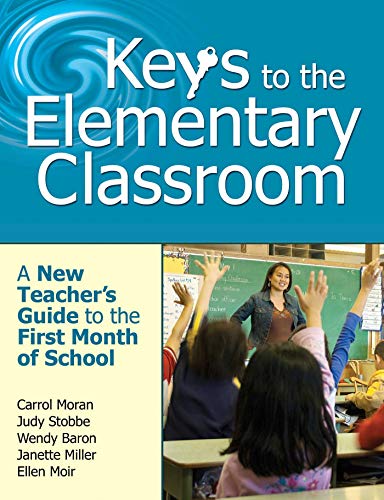
I have used the book Keys to the Elementary Classroom every year since I first started teaching. It is filled with awesome suggestions on how to set up your classroom, create a daily schedule, and what to do during those first few weeks.
The First Days of School is a great book for, wait for it, the first days of school!

Reaching All by Creating Tribes Learning Communities has excellent cooperative learning activities for all grade levels. It contains much more than just cooperative learning activities; I use them. It’s an old book and out of print, but if you can find a used copy, it is great to have in your teacher library!

- Used Book in Good Condition
Want to Reduce Disruptions So You Can Actually Teach?
Check out this 100% FREE Micro Training
from my friend Linda over at Teach 4 the Heart.
Creating a calm classroom environment can be hard…and you probably didn’t learn everything you needed to about classroom management in college. (I know I didn’t!)
But there is hope and a way to make your teaching experience more fulfilling and less stressful.
Watch this quick 28-minute training to learn how you can minimize disruptions so you can actually teach your content (and get to do the projects & activities that make learning more fun for EVERYONE!
Linda WON’T just tell you to “build relationships” because, frankly, even the best connections can’t eliminate all classroom challenges. Achieving a smooth-running class requires a more nuanced approach.

So join me for this FREE 28-minute training and discover their Calm Classroom Blueprint, used by thousands of teachers to:
- Significantly reduce disruptions during lessons & work times.
- Gain confidence In handling challenging situations (that previously left them dumbfounded).
- Lower daily stress levels and find joy in teaching again!
Jessica BOschen
Jessica is a teacher, homeschool parent, and entrepreneur. She shares her passion for teaching and education on What I Have Learned. Jessica has 16 years of experience teaching elementary school and currently homeschools her two middle and high school boys. She enjoys scaffolding learning for students, focusing on helping our most challenging learners achieve success in all academic areas.