
Parent Teacher Conference Tips That Actually Work
Parent teacher conferences can feel like a marathon with back-to-back families, limited time, and a lot of ground to cover. With a clear agenda and a few intentional parent teacher conference tips, conferences become genuinely useful conversations rather than rushed report-card recitations. Here are the strategies that make the biggest difference.
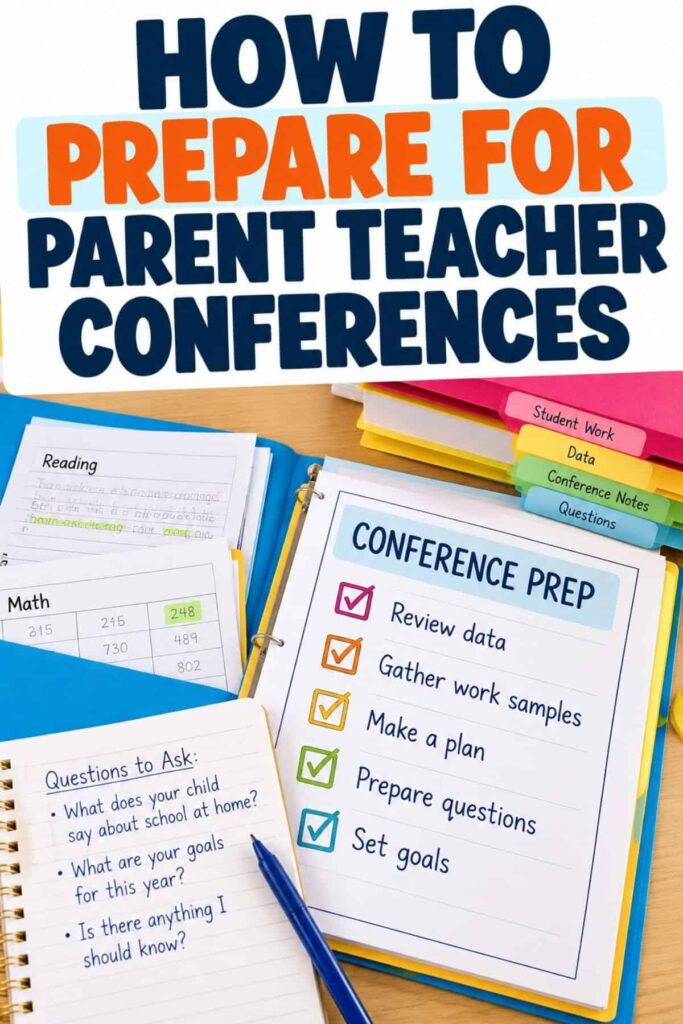
Set Up a Parent Teacher Conference Agenda in Advance
The single biggest thing you can do to improve conferences is decide how you’ll use the time before families walk in the door. A simple agenda keeps you on track and signals to parents that this is an organized, purposeful conversation.
A 20-minute conference agenda might look like this:
- Minutes 1–2: Welcome and brief overview of what you’ll cover
- Minutes 3–10: Academic progress — strengths, areas of growth, supporting data
- Minutes 11–15: Social-emotional and behavioral observations
- Minutes 16–18: Family shares questions, context from home, anything you should know
- Minutes 19–20: Agree on one or two next steps; close warmly
Sharing this format with families ahead of time — even in a brief email — sets expectations and helps parents come prepared with their own questions rather than having to process everything cold.
Prepare Your Data Before Conference Week
Walking into a conference without your notes organized is a fast way to lose credibility with families. Before conferences begin, pull together:
- Current grades or assessment scores for each student
- 2–3 work samples that illustrate progress or areas of need
- Any behavioral or attendance notes you want to reference
- One concrete strength and one concrete growth area for every student
Start With Strengths — Every Time
Opening with a genuine strength before moving to concerns isn’t just good manners. It sets the emotional tone of the conversation. Parents who feel they see and value their child are far more receptive to hearing about challenges than those who feel they’ve walked into a problem report.
Be specific. “Mia is a careful, thoughtful writer” lands better than “Mia tries hard.” The more concrete you are about the strength, the more parents trust that you actually know their child.

If you want a ready reference for framing what you’re seeing, this list of 100+ student-strength examples is helpful to have nearby as you write your notes.
Know What to Say at Parent Teacher Conferences When It Gets Complicated
Some conferences are straightforward. Others aren’t. A few situations worth being prepared for:
When a Parent Disagrees With Your Assessment
Acknowledge their perspective before defending yours. “I hear that he seems to understand this at home — let me show you what I’m seeing in class so we can figure out together what might be different.” Then show specific data. Evidence takes the conversation from opinion to observation.
When a Parent Is Upset or Emotional
Slow down and listen before responding. You don’t have to solve everything in this conference. Sometimes parents need to feel heard before they can take in new information. A simple “I appreciate you sharing that with me” buys time and lowers the temperature.
When You’re Running Long
Be honest about it. “I want to give this the time it deserves — can we schedule a follow-up call this week?” Most parents appreciate honesty over a rushed ending, and it signals that you take the conversation seriously.
When You Need to Raise a Difficult Concern
Lead with specific, observable evidence rather than general impressions. “I’ve noticed Marcus leaves tasks unfinished about three days out of five” lands differently than “Marcus has trouble staying focused.” Specificity feels less like judgment and opens up a real conversation about what might be driving the behavior at home and at school.
Practical Tips for Running Conferences Smoothly All Week
Even well-prepared conferences can go sideways when you’re juggling fifteen families in two days. A few logistics that make a difference:
- Send a reminder the day before. A quick note home with the time, location, and a line about what to expect reduces no-shows and helps families arrive prepared.
- Keep a simple note-taking sheet for yourself. After fifteen conferences, details blur. A form with each student’s name and 2–3 lines for notes keeps important follow-up items from falling through the cracks.
- Use a visual timer. A small timer on the table — visible to both you and the family — normalizes time boundaries without making them feel abrupt. Most parents respect it when they can see it.
- End with one clear next step. Don’t let conferences end with vague encouragement. Name something specific: “I’m going to check in with her every Monday about the reading log, and if you can ask her about it at home that would help a lot.” Specific beats general every time.
Consider Involving Students in Their Own Conferences
One of the most effective shifts you can make to parent teacher conferences is having students present for part — or all — of the conversation. When students share their own reflections on their progress, the dynamic changes completely. Parents hear directly about their child’s growth, and students develop real accountability for their learning.
If you want to try this format, this post on student-led parent-teacher conferences walks through exactly how to set it up, including how to prepare students in advance so they’re ready to lead the conversation confidently.
Final Thoughts on Parent Teacher Conference Tips
The conferences that go well are the ones where you walked in with data ready, a format in mind, and a clear sense of what you needed each family to leave knowing. A little structure up front makes the whole week feel more manageable, and families leave feeling like real partners in their child’s education.
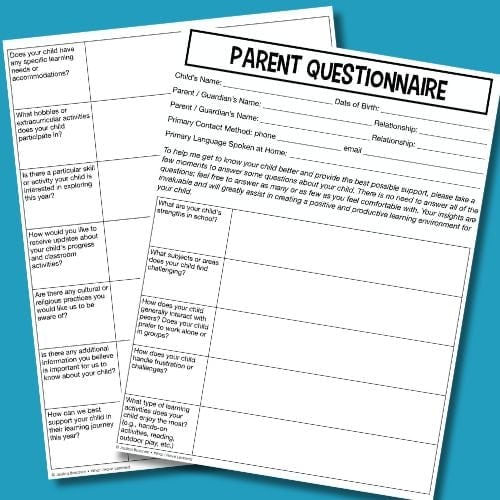
Free Parent Questionnaire
To learn more about your students before parent conferences, consider sending a parent questionnaire home at the beginning of the school year. Sign up below to receive one in your inbox.
Jessica BOschen
Jessica is a teacher, homeschool parent, and entrepreneur. She shares her passion for teaching and education on What I Have Learned. Jessica has 16 years of experience teaching elementary school and currently homeschools her two middle and high school boys. She enjoys scaffolding learning for students, focusing on helping our most challenging learners achieve success in all academic areas.