
First Week Back After Winter Break: Classroom Activity Ideas
The first week back after winter break is its own kind of teaching challenge. Students are out of routine, energy is unpredictable, and diving straight into new content usually backfires. A lighter week with review-based activities and a few low-stakes new starts tends to work better than picking up exactly where you left off in December.

Here is how I structure that week, with the specific books, writing activities, and math ideas I come back to year after year.
I always plan a lighter week academically for the first week back after winter break. We do a ton of winter activities and learn new things, but I keep it low-stakes and, for the most part, make it a fun review week to help students transition smoothly.
Here are some winter ideas that you can use for that first week back to school.
Set the Tone on Day One
The first week back isn’t the time to introduce something new. Students are returning from two weeks of later bedtimes, looser schedules, and very little time spent sitting still and focusing. That cognitive shift back to school mode takes a few days, and fighting it usually makes the week harder for everyone.
What I have found, year after year, is that students come back ready to work—they just need the first day or two to find their footing again. There is often a noticeable maturity jump that happens over winter break. Students who struggled with a concept in November will sometimes return in January and just get it. They have had two weeks away from the pressure of learning it, and something clicked during that time.
I try to plan the first week so they can show up—low-stakes review, familiar structures, and a few activities that feel like a fresh start rather than picking up a task list we dropped in December.
Books to Read the First Week Back




Snowmen at Night by Caralyn Buehner — A good first-day-back read because it is imaginative and light. The premise (snowmen come to life at night and play) invites students to think creatively right away without any academic pressure, which sets a welcoming tone before you ease back into structured work.
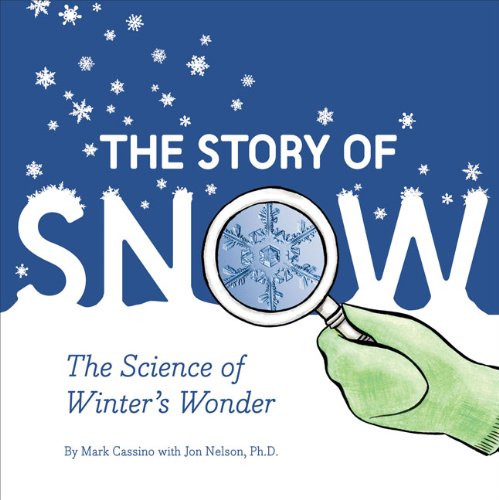
The Story of Snow: The Science of Winter’s Wonder by Mark Cassino — This one naturally bridges into informational reading. The photographs of snowflake crystals forming tend to stop students mid-book—most have never seen snow at that scale—and the science explanation of how each crystal forms differently is accessible enough for second- and third-graders to follow and discuss.
The Mitten by Jan Brett — A classroom staple that works especially well the first week back because students predict what will happen next at each page turn. Jan Brett’s detailed borders, which show what is coming before it appears in the main illustration, give students something to notice and read independently while you read aloud. Good for discussing story structure and sequence.
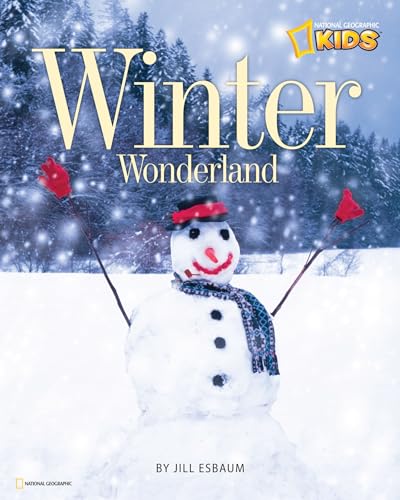
Winter Wonderland (National Geographic Kids) by Jill Esbaum — A nonfiction option for students who are ready to shift into informational reading mode. The photo-heavy format and short text blocks make it accessible for a range of readers, and it works as a mentor text for noticing informational text features if you’re starting your informational writing unit in January.
The Snowy Day by Ezra Jack Keats — Best for K-1. Peter’s quiet exploration of a snowy day matches the slower pace of the first week back. Students notice the sensory details — the sounds, the feel of the snow — which makes it a useful launching point for adding sensory language to their own writing.
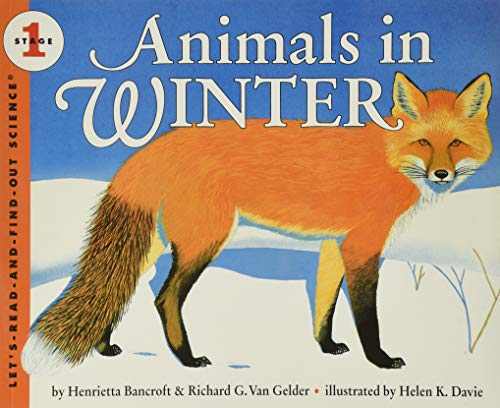
Animals in Winter by Henrietta Bancroft — A Let’s-Read-and-Find-Out Science title that introduces hibernation, migration, and adaptation in straightforward language. I use this one to open the animals in winter science unit. It gives students enough vocabulary (hibernate, migrate, dormant) to participate in the larger discussion, and the simple diagrams and captions are accessible to early readers working on nonfiction reading strategies.
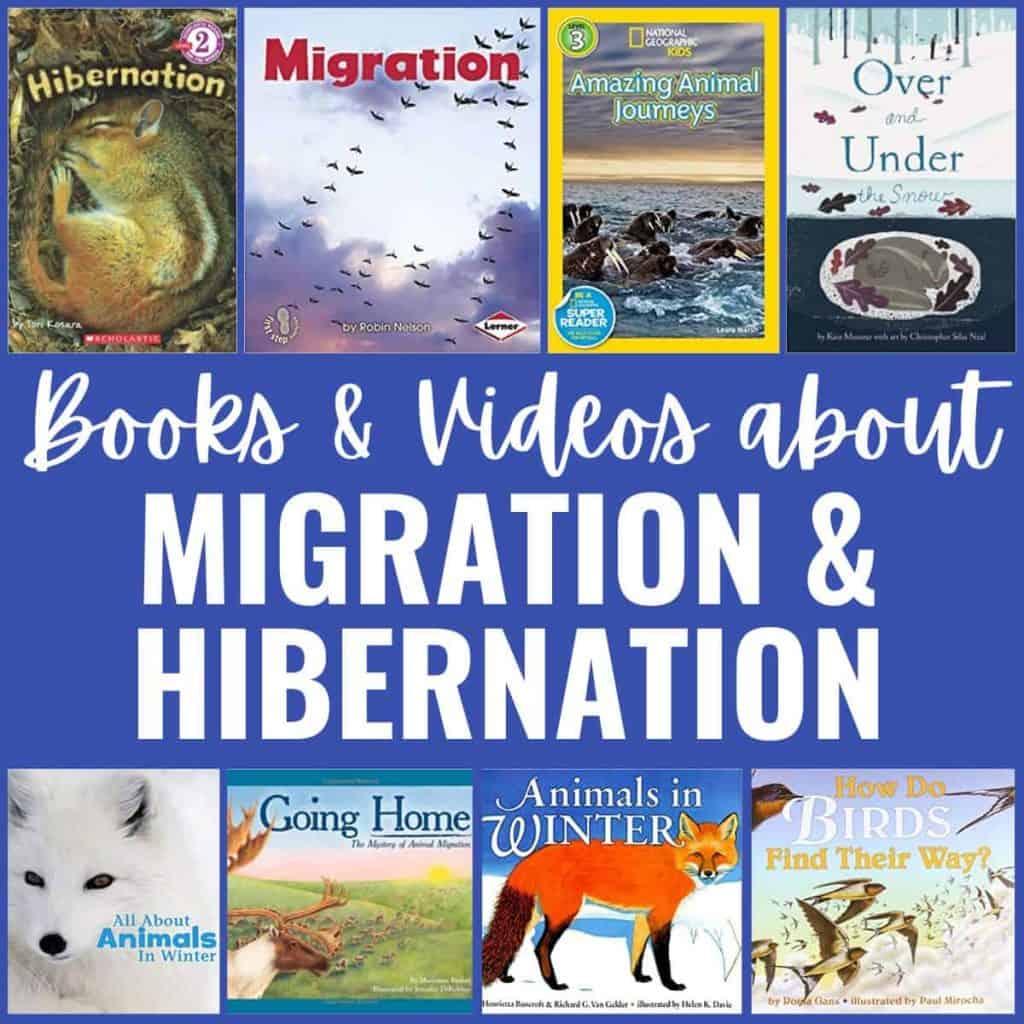
Here are even more books about hibernation and migration. Winter is a great time to study what animals do in winter!
Create a New Year Craftivity
The first week back is when I introduce the New Year Flap Book, and I pace it across the week rather than completing it in one sitting. One page per day keeps students thinking about their goals over several days instead of rushing through all the prompts at once.
Each day, after students complete their page independently, we build an anchor chart together. Monday might be goals for reading this semester. Tuesday, goals for math. By Thursday or Friday, when students are sharing their personal goals, the conversation is richer because they have had a few days of practice naming what they want to work on. Students who struggle with the abstract idea of “setting a goal” usually get there by mid-week once they have heard their classmates share.
This flap book works for many years, so once you have it, it is a resource that comes out every January without any additional prep.
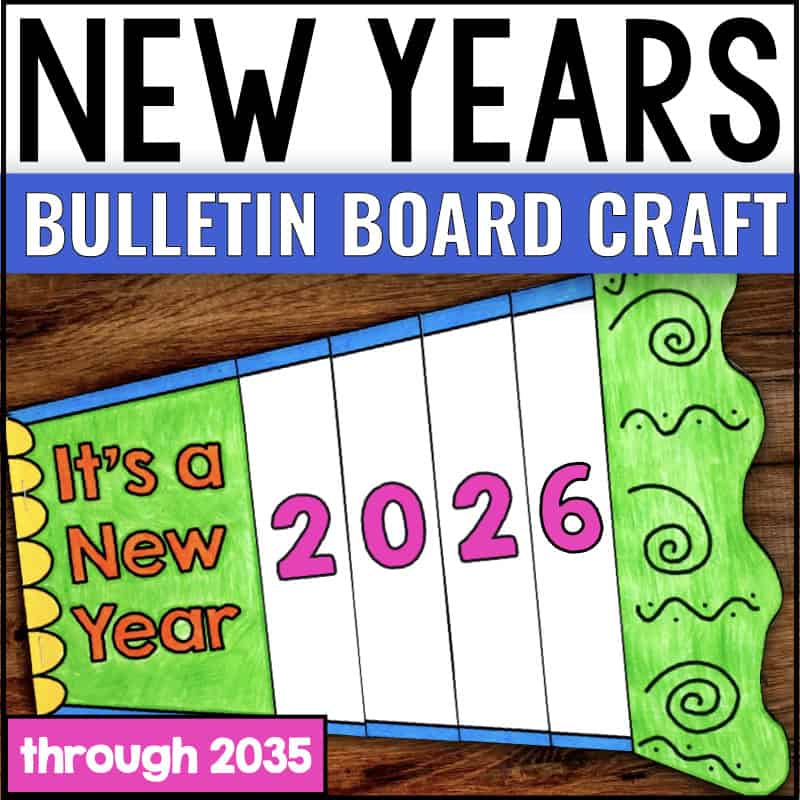
New Year Flap Book Craft – Bulletin Board January Display
Ring in the New Year by having students reflect on their best moment in the previous year and set personal and academic goals for the current year. A great bulletin board craft for the first week back at school after the holiday break!
Math Review Activities
The first week is not the time to introduce new computation skills, but students do need to start using their math brains again after two weeks off. I use the Roll and Spin Winter Math Games as partner work during math centers. The games focus on two-digit addition and subtraction—skills students learned in the fall—so the content is review, but the game format keeps it from feeling like a worksheet.
One thing to know: most of the games in this set don’t have a winter theme, so you can use them at any point in the year, not just January. I pull them out in January because students are already familiar with the Roll and Spin game structure from earlier in the year, so they can get started independently without reteaching directions.
For something with a bit more thinking involved, Money Matching and Word Problems for Winter Clothing work well as a small group or early-finisher activity. The word problems are multi-step, where the answer to one question feeds into the next, so students have to track their work carefully. That kind of problem-solving is a good way to ease back into mathematical thinking without introducing new content.
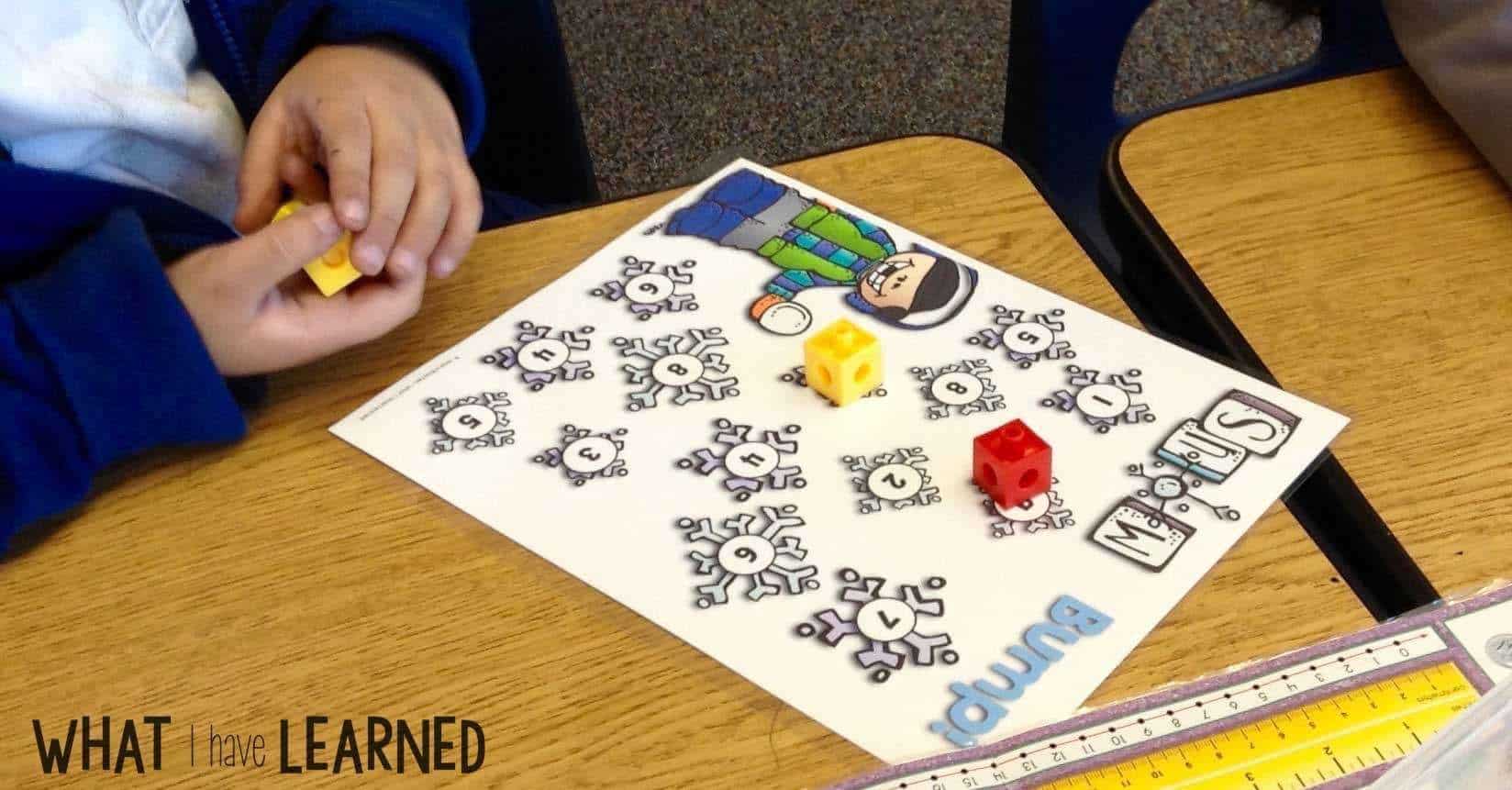
Also available are some Money Matching & Word Problems for Winter Clothing. The word problems are multi-part and often depend on answers to previous questions. These problems take some thinking power, but they are wonderful for building problem-solving skills.
Easing Back Into Writing
In January, I shift from narrative writing to informational writing. We introduced informational text in the fall, but winter is when we go deeper—our winter writing assessment is informational, so the first week back is a natural time to start building that foundation.
I use Antarctic Animals as the entry point because the topic is high-interest and the content is self-contained. Students do not need background knowledge about Antarctica to find penguins and polar bears interesting, which makes it accessible even when students are still shaking off the break.
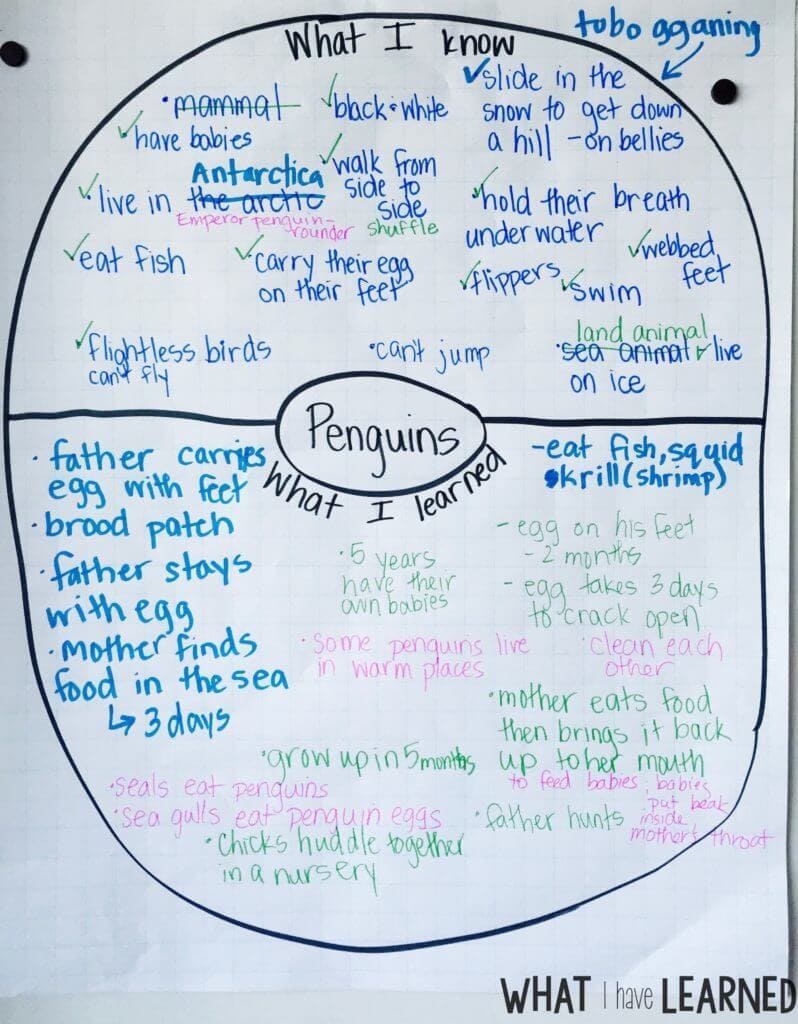
In the past, we have done class research on penguins together before students branch into their individual animal. I create an anchor chart with students as we read — students contribute facts, I write them down, and we discuss how to organize information by category rather than just listing everything we know. That anchor chart becomes the model they reference when they start drafting their own writing.
Since my students had difficulty accessing information about animals independently from books alone, I put together informational articles, fact sorts, and QR codes about Antarctic animals that work for second- and third-grade readers. Students use these to research their chosen animal and gather notes before they begin writing.
Since my students had difficulty accessing information about animals in books, I developed some informational articles, fact sorts, and QR codes about Antarctic Animals. These articles are perfect for second- and third-grade students to research and write about a specific animal.
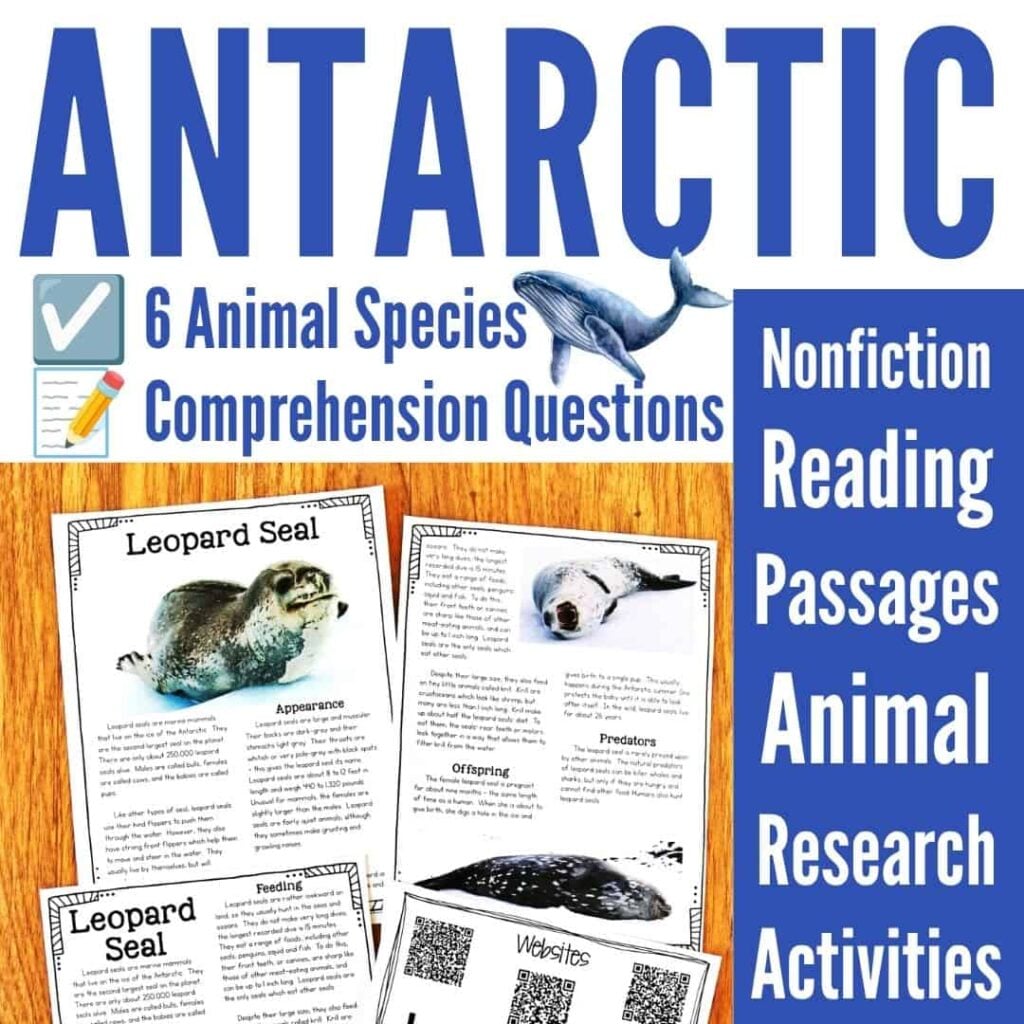
Antarctic Animals Informational Articles & Research Activities
Explore Antarctic animals with six engaging informational articles designed for animal research, nonfiction reading, and informational writing. Students read about the albatross, blue whale, elephant seal, emperor penguin, leopard seal, and orca, then extend their learning with QR code research links and fact-sorting activities.
A Few More Ideas for the Transition Week
Beyond the specific activities above, a few smaller things help the first week go smoothly:
Reset classroom jobs. If you rotate jobs, the first day back is a natural time to reassign them. Students come in looking for something concrete to do, and knowing their job for the week gives them an immediate sense of routine.
Do a quick community circle. Before jumping into academics on the first morning, spend ten minutes asking students to share one thing they did over break. Keep it brief — one sentence each — but it settles the room and gives students a sense that they were missed. It also helps you gauge where students’ heads are before you start the day’s work.
Review classroom expectations, but briefly. After two weeks away, it is worth a quick reminder of your routines — not a full re-teach, just a brief “here is how we do this” before the first transition or center time. Students who test the routines in January are usually doing it because they genuinely forgot, not because they are trying to push limits.
Post a visual schedule. The first week back, I make the daily schedule more visible than usual. Students used to the rhythm of the school day have to rebuild that rhythm from scratch in January, and a visible schedule significantly reduces the “what are we doing now?” questions.
Do your students seem much more mature and older after the Holiday Break? I’m always surprised at their level of focus and how they can problem-solve situations in new ways. It’s like they grew up over that two-week winter break.
Jessica BOschen
Jessica is a teacher, homeschool parent, and entrepreneur. She shares her passion for teaching and education on What I Have Learned. Jessica has 16 years of experience teaching elementary school and currently homeschools her two middle and high school boys. She enjoys scaffolding learning for students, focusing on helping our most challenging learners achieve success in all academic areas.