
Stoat Informational Article & Research Activities
When the mascot for the Milano Cortina 2026 Winter Olympics was announced, it wasn’t a polar bear, wolf, or snow leopard. It was a stoat. That tiny, speedy animal with the dramatic winter coat change is officially heading to the Olympics—and it’s a perfect classroom connection for winter science and informational reading.
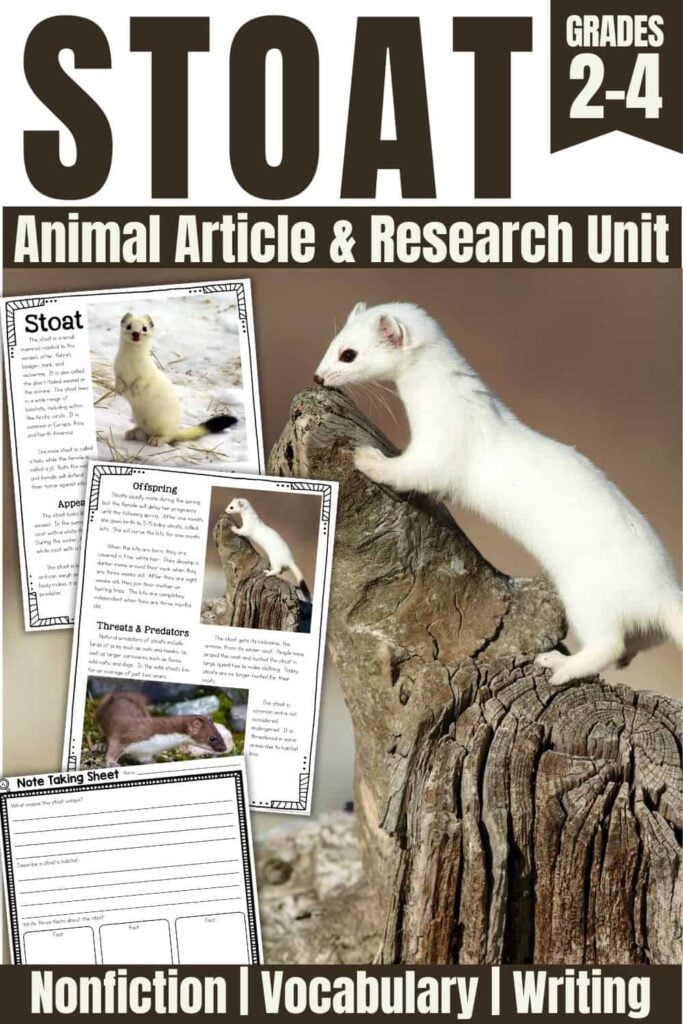
Stoats (also known as ermines) live in cold, alpine environments and change from brown to white in winter to stay camouflaged in snow. Students are instantly curious when they learn this, which makes the stoat an easy hook for animal adaptations, habitats, and research skills. Olympic tie-ins create instant interest, and suddenly students are eager to read, ask questions, and learn more about a real animal living in extreme environments.
The Stoat Animal Research Resource
This Stoat Reading Passage and Activity Set gives students a clear, structured way to learn about this fascinating animal while practicing essential reading and research skills.
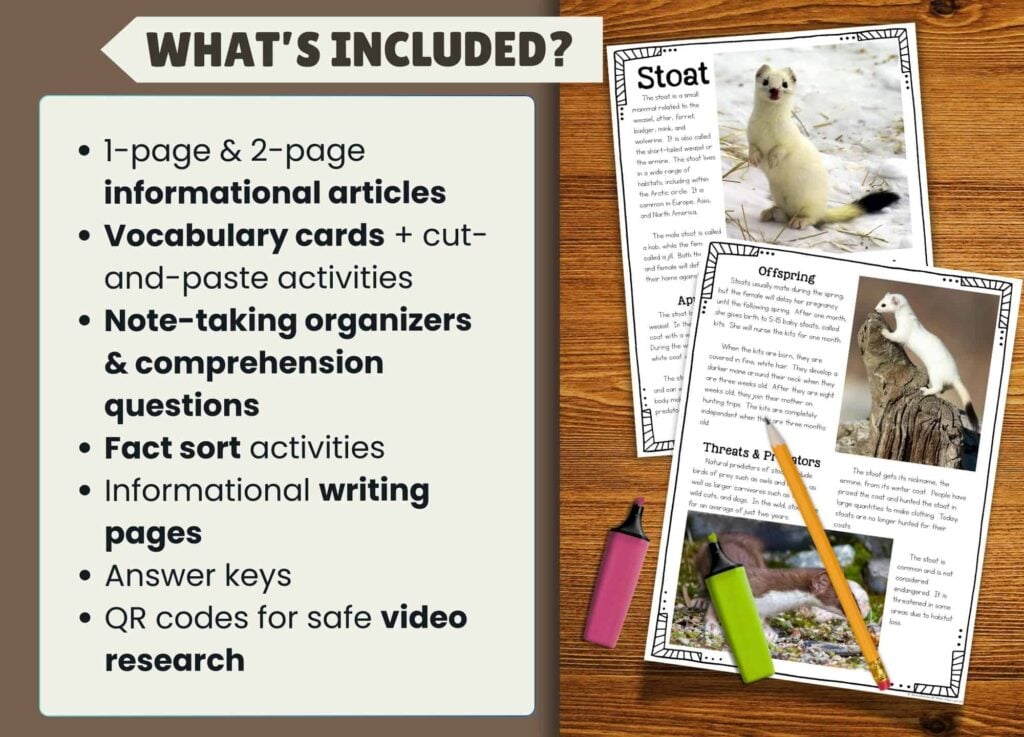
What’s Included in the Stoat Resource
Students work through a complete animal study using:
- A kid-friendly nonfiction article written at a 2nd–3rd grade level
- Vocabulary activities with student-friendly definitions
- Guided note-taking pages to organize facts
- Comprehension questions and cloze reading
- Writing pages for short reports and summaries

Engage your 2nd and 3rd grade students with this comprehensive and age-appropriate nonfiction resource all about the fascinating stoat!
The consistent layout helps students focus on learning about the animal rather than figuring out new directions on every page. It works well for whole-class lessons, small groups, or independent research projects.
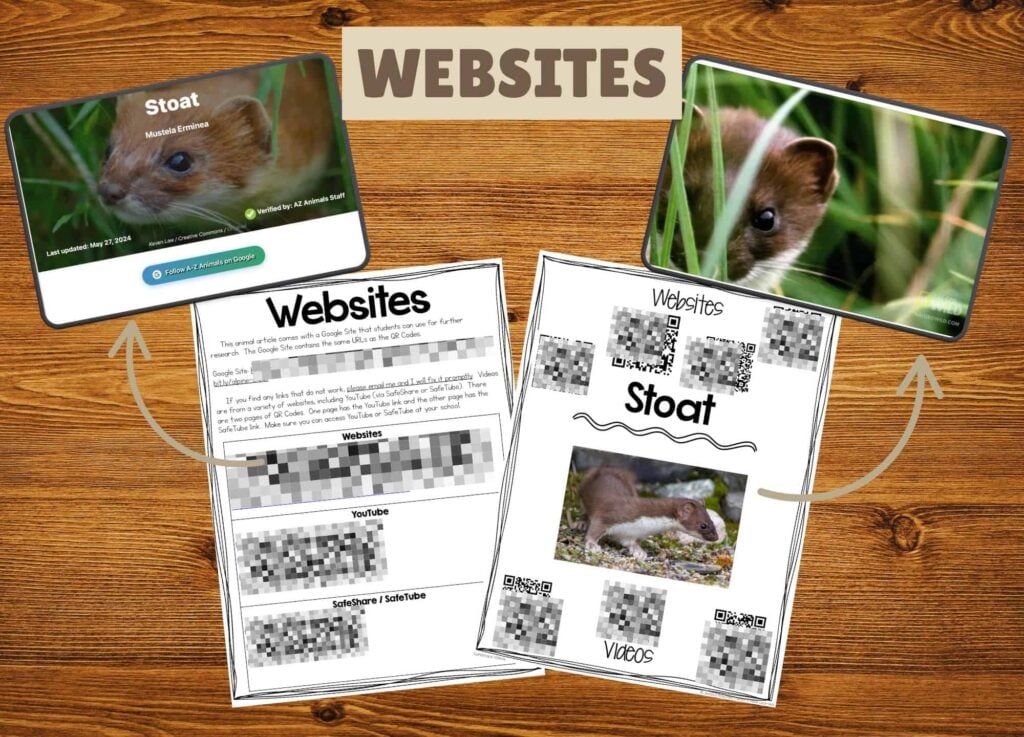
Ways Teachers Use This Resource in the Classroom
Animal Research and Informational Writing
This resource fits naturally into animal research units. Students read the passage, gather facts using graphic organizers, and turn their notes into a short informational piece. It’s a strong option for teaching how to pull details from text and write about science topics.
Winter Science and Habitat Studies
Stoats live in alpine and tundra regions, making them a great choice during winter months. The winter coat change leads to strong discussions about animal adaptations and survival in cold environments.
Cross-Curricular Olympic Connections
Students love learning that the stoat is connected to the Olympics. This creates an easy bridge between science, reading, and real-world events, which keeps engagement high without adding extra prep.
Pair It With Alpine Tundra Animal Articles
If you’re teaching alpine or tundra habitats, the stoat article is part of a larger Alpine Tundra animal collection available on Teachers Pay Teachers. Each animal article follows the same structure, which makes it easy for students to compare habitats, diets, and adaptations across multiple animals.
Teachers often use the set to:
- assign different animals to student groups
- build comparison charts
- create mini research projects
- keep routines consistent during winter units
If you want an engaging way to teach animal research during the winter season, the stoat resource is a fun place to start—Olympic mascot included.
Engage your 2nd and 3rd grade students with this comprehensive and age-appropriate nonfiction resource all about the fascinating stoat!
Do you need engaging informational texts that your elementary students will actually want to read?
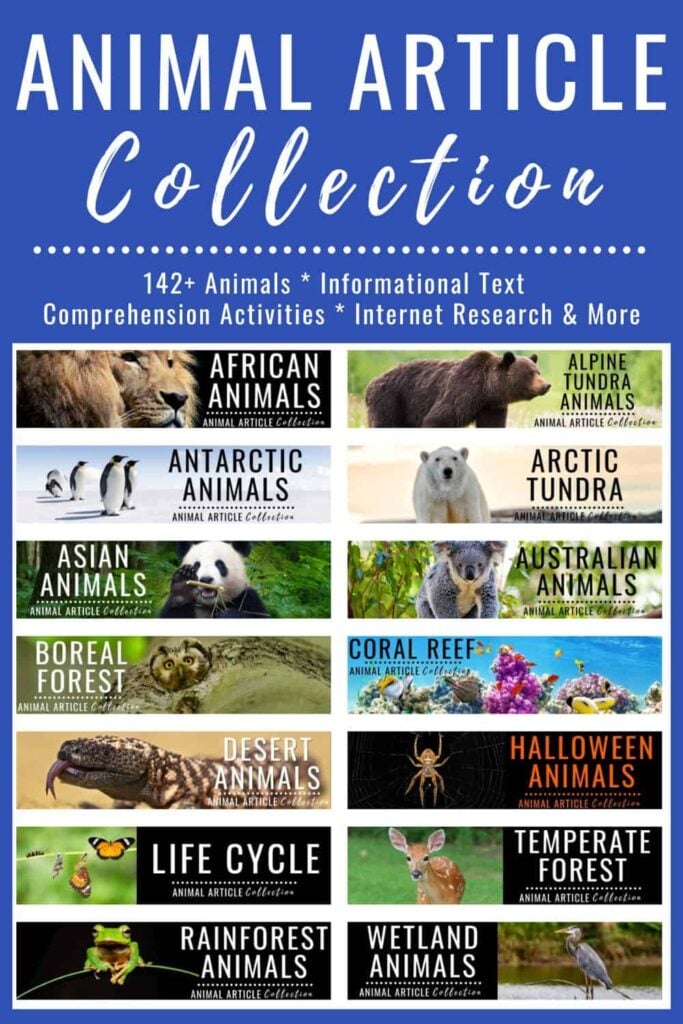
The Animal Article Collection includes 142+ animal articles spanning 14 ecosystems, complete with reading comprehension and structured writing activities. Students can choose their animal while building skills in informational text, research, and report writing.
Jessica BOschen
Jessica is a teacher, homeschool parent, and entrepreneur. She shares her passion for teaching and education on What I Have Learned. Jessica has 16 years of experience teaching elementary school and currently homeschools her two middle and high school boys. She enjoys scaffolding learning for students, focusing on helping our most challenging learners achieve success in all academic areas.