
24+ Hands-On Sight Word Activities for Kindergarten
Learning letter sounds, blending and segmenting words, and various phonics skills are foundational for early reading. However, there are just some words that can’t be sounded out. Sight words are commonly used words that young readers are taught to memorize. Since these words are frequently used, students are encouraged to recognize them by sight. Hands-on sight word activities merge students’ kinesthetic learning with visual learning.

For many kids, sight words are one of the first steps in learning to read. And what better way to learn sight words than with fun sight word games that don’t require worksheets? Before we take a look at the sight word activities, let’s discuss how to choose which sight words are taught in Kindergarten:
Background about Learning Sight Words
Learning to read is complicated and intricate, especially for kindergarten students. While learning to read sight words is only one component of reading development, it is a necessary and important component.
What are sight words?
In early reading, sight words are a group of words that are memorized and read quickly or by sight. Over time, most words will become sight words for proficient readers. However, early readers will need to spend time practicing sight words to commit them to long-term memory.
Words like the, of, you, was are all words that need to be memorized and recognized by sight. They cannot be decoded using general phonics patterns.
Sight words have many names that are often used interchangeably, including the term high-frequency words. Educators also use many cute names in the classroom that they have adopted over the years.
What are Heart Words?
Based on current reading research, Heart Words is the new way teachers teach sight words. It focuses on decoding part of a word and learning the non-decodable portion by heart. Students learn to draw a heart above the portion that they need to memorize.
I go into more depth about Heart Words, high-frequency words, irregular sight words, and more in another blog post.

Which words should you consider sight words?
Well, there are a couple of different answers and sight word lists. Here are a few guidelines for choosing sight words for your kindergarten classroom:
- If your school district is assessing a list of words, consider that your list.
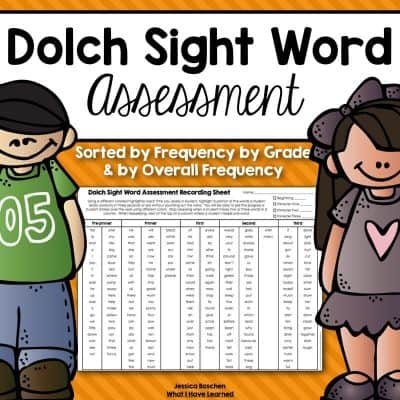
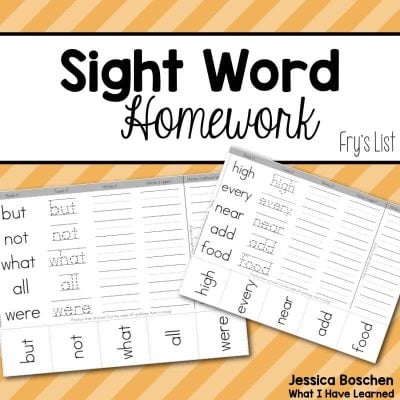
- If your school or district does not provide a list of words, you can find various lists online, including Dolch Lists and Fry’s Lists.
- While Dolch and Fry’s are some of the more common lists, each reading program seems to develop a unique list. Most lists are very similar.
- Consider limiting sight word instruction to common, irregular, or decodable words.
- If you teach a phonics-based reading program alongside teaching students to memorize sight words, they will learn how to decode and progress through the reading program. Don’t waste valuable time teaching students to memorize decodable words if you don’t have to.
- Take a look at the Heart Word Method for teaching sight words. This method will inform which words you consider sight words.
How do Students Learn Sight Words in the Classroom?
There are various ways for students to learn sight words, including the new Science of Reading Heart Method. Once students have learned a word, frequent exposure is the key. Creating fun ways to learn the words helps, too!
Use Sight Word Cards to Bridge Decoding and Sight Word Memorization
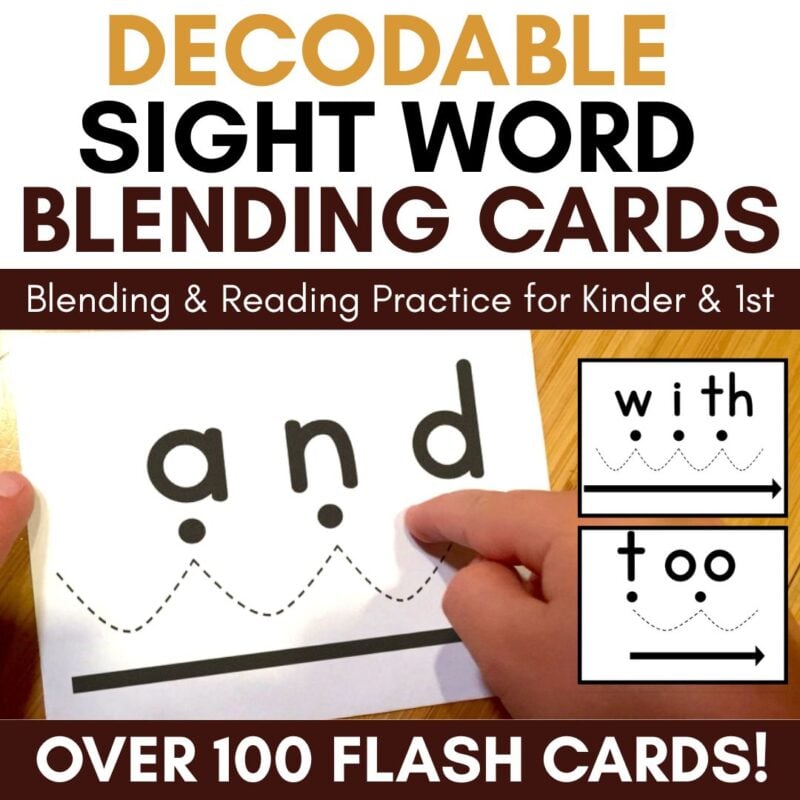
Consider using blending cards for sight words to learn decodable high-frequency words. These sight word cards have blending cues for decodable sight words. They can enhance your sight word activities and can be used with small groups or whole group instruction to help students see the phonetic connection between the sounds and symbols.
Decodable Sight Words Blending Cards
Blending Cards for Decodable Sight Words include sight words common for Kindergarten and first grade reading.
Students will also benefit from using hands-on sight word activities during your word work stations.
Hands-on Sight Word Activities for Kindergarten
Here are some sight word activities for kindergarten that help young learners remember high-frequency words while having fun!
This post contains links to affiliate websites, such as Amazon, and we receive an affiliate commission for any purchases made by you using these links. We appreciate your support!
Block Building Game
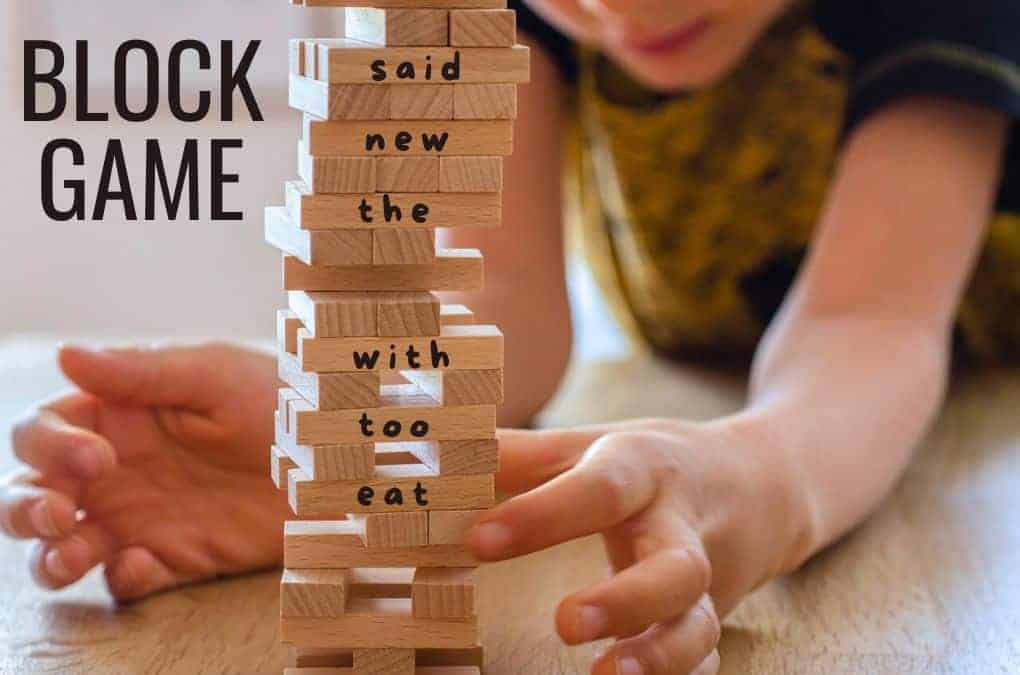
Turn a classic block-building game, like Jenga, into a way for students to learn their sight words. Start by writing a high-frequency word on each block. Playing the normal Jenga rules, where a player removes a block from the tower and places it on top, have the student who removes the block successfully use the sight word in a sentence before the next player takes their turn. Or, for an easier version, have players read and spell the words while moving blocks.
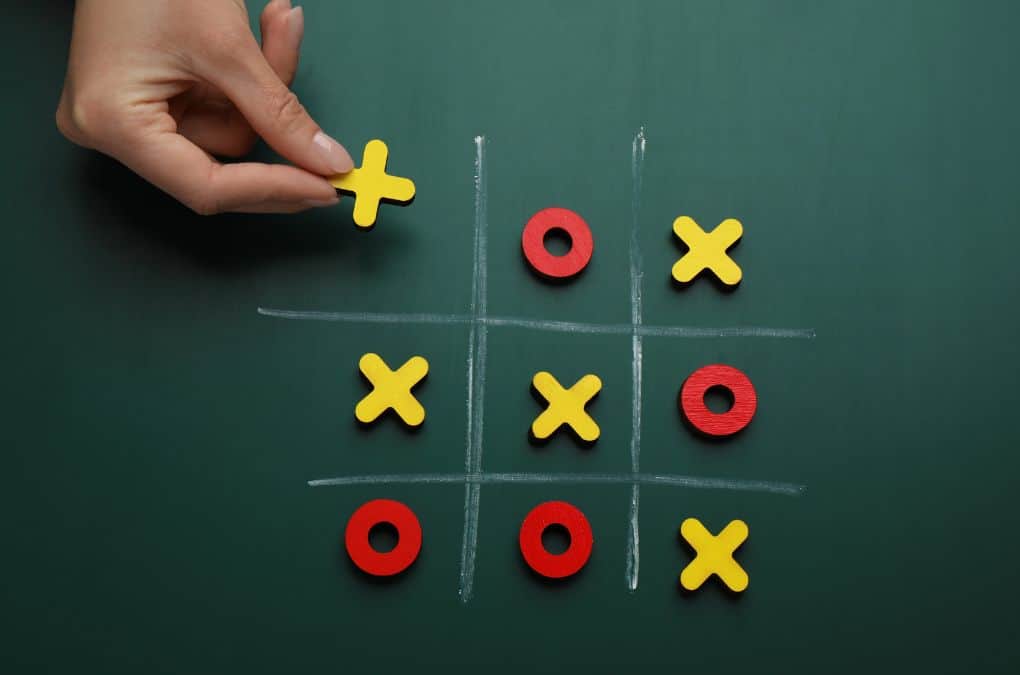
Tic-Tac-Toe Sight Word Activities
Kids love to play Tic-Tac-Toe! Add a twist by having the student read a sight word and use it in a sentence or read and spell it before adding an X or O to the board. Use the blending cards as flash cards.
Try a variation by having students write the words with an X or O on the board.
Shaving Cream Fun Sight Words Activities
Sometimes, learning is messy! Break out the shaving cream on desks and tables, and have your students write out their sight words with their fingers. Save money on supplies by checking out a local dollar store or buying in bulk at a warehouse club store.
Clean-up is easy. Just wipe down the tables and spray clean. Another benefit is that the shaving cream is soap and cleans up your tabletop!
A sand or salt box is another great tool, but a little less messy than shaving cream. Fill a small box with sand or salt. Using flashcards or sight word cards, have students turn over a card and draw the letters for the word in the box. The rough sand or salt feel helps kinesthetic learners memorize the words.
Use Manipulatives to Form Letters
For kinesthetic learners, using tangible items to form words physically can be an important way to show what they know! Use Wikki Stix, play dough, or bendable straws to form words on mats or flat surfaces. Playdough is also a great medium for stamping letters to create sight words.
Journaling
Although open journaling or free writing may seem a little advanced for kindergarteners, you’ll be surprised by how much they can write, even in the beginning stages.
Give students a list of sight words and markers. Ask students to generate a story with a drawing. Or give students a seasonal topic with words and a few sight words.
Save these in a digital or paper portfolio throughout the school year to measure growth.
Word Ladder Game
This game is perfect for kids who are just starting to learn sight words. To play, choose a simple sight word like “at” or “had.” Then, see how many other words you can make by changing just one letter. For example, starting with “at,” you might get “bat,” “cat,” “hat,” and so on. The player with the most words at the end of the game wins! This is also a great way to focus on word family words, short vowel word families, and rhyming.
To make this game kinesthetic, create hopscotch-like boxes on your classroom floor. Have students move up the ladder as they create new words.
Musical Sight Words
This sight word activity is similar to Musical Chairs but with a sight word twist. To play, write several sight words on slips of paper and put them in a hat or bowl. Then, play some music while everyone walks around the room. When the music stops, everyone must grab a slip of paper.
Once everyone has a word, they must stand up and spell it out loud. The player who spells their word correctly first gets to stay in the game; the rest are out! The last player standing is the winner.
Instead of requiring spelling, you can ask students to read the word. Remove one word each round to eliminate students as you would during a regular musical chairs game.
The above sight word activities will help your students quickly learn their first sight words. These are just a few ideas to get you started. With some creativity, you can develop fun games to help your child learn their sight words.
Do you want some more ideas?
More Low-Prep Fun Ways to Practice Sight Words
Here are some great sight word activities to make learning sight words fun for kids. These ideas may be great for some more advanced learners and can easily be added to your sight word centers.
- Write sight words in alphabetical order.
- Write the same sight word in multiple different colors. They can even create a rainbow of colors!
- Have students trace a sight word worksheet with their fingers before writing it down on a separate sheet of paper.
- Create a silly sentence with the sight words, then have students rewrite it.
- Have students spell out individual letters of the sight words, then put them together to spell out the whole word.
- Give students blank pieces of paper and have them practice writing each sight word multiple times in a row until they can write it correctly without looking at another reference source.
- Encourage students to make up stories or riddles using the sight words they need to practice and write it down afterward as practice.
- Ask students to use each letter of their chosen sight word to start a new sentence and complete it with their own words afterward.
- Draw pictures around each of their chosen sight words and encourage them to label what was drawn for further practice writing it down correctly.
- Give students an index card for each sight word and have them write that particular word several times on both sides.
- Create sight word puzzles by writing each sight word on an index card, cutting the cards into pieces, and having students put the pieces back together.
- Play a game of I Spy using sight words around the room
- Have a scavenger hunt with sight words: hide index cards around the classroom, with each card containing a different sight word written on it.
- Construct simple sentences using sight words and have students identify all of the words in them as they read them aloud.
- Give each student a list of 10-20 Sight Words and have them draw pictures to represent each word. Go over the list to practice pronouncing each one correctly and discuss what the pictures represent based on context clues gleaned from their drawings.
- Practice writing sentences with specific targets like “I can see ______” and have students fill in the blank with different Sight Words and other appropriate vocabulary from a list of words.
- Play Simon Says using Sight Words: The teacher or student calls out a Sight Word for others to act out (i..e hop if you hear ‘jump’).
Independent Sight Word Activities
Sometimes, students need to be alone and engage in an activity without other students. Here are a few independent activities that make sight word learning fun and engaging.
Sight Word Scavenger Hunt
One thing that students have fun doing is looking through books. Provide students with a stack of familiar books. They could be books that you have done as read-aloud or read during your small group literacy centers.
Students can do a word hunt and write down words they find in the books. Either give students one word to look for and teach them to tally the number of times they find it, or give students several words to look for and tally.
Whiteboard Writing
Give students a colorful dry-erase marker and a list of words on sticky notes. Have students write the words on the whiteboard using the colorful markers, then erase them!
Other suggestions for independent sight word activities
Here are a few more ideas that take little prep and are fun for students!
- Stamp words in play dough
- Finger-write words in kinetic sand
- Swat words on cards with a flyswatter
- Listen to sight word songs on YouTube at a listening center
- Spell words with letter tiles
- Trace words in playdough
- Write words on a gameboard (then use the gameboard in a partner activity)
- Have students practice writing sight words on sticky notes and arrange the sticky notes in a gameboard order (then play the game with a friend)
- Make the words with playdough (roll the dough into a snake and twist to make the letters)
Practice Sight Words At Home
Sometimes, students need a paper-pencil task or printable sight word worksheet to engage them in memorizing sight words.
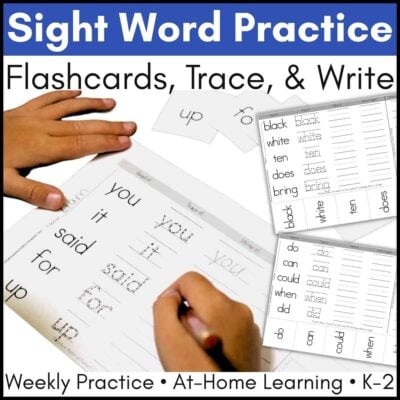
If you are looking for a tool for parents to use at home, these Sight Word Practice Cards provide small doses of daily practice and a routine for parents to implement easily. It even comes with a free editable sight word page.

In this activity, students trace words, write words, and write them without looking. There are cards at the bottom that students cut out and use as flashcards.
Check out the resources here. They are available with three different word lists. A template is also available to make your worksheets for classroom use.

Merge Sight Word Learning with Phonics Learning
I created these phonics readers to use with my own kindergartener at home. Although they focus on specific word families and phonics patterns, the resource also introduces two new sight words per word family. Sight words are learned and read along with the phonics patterns.
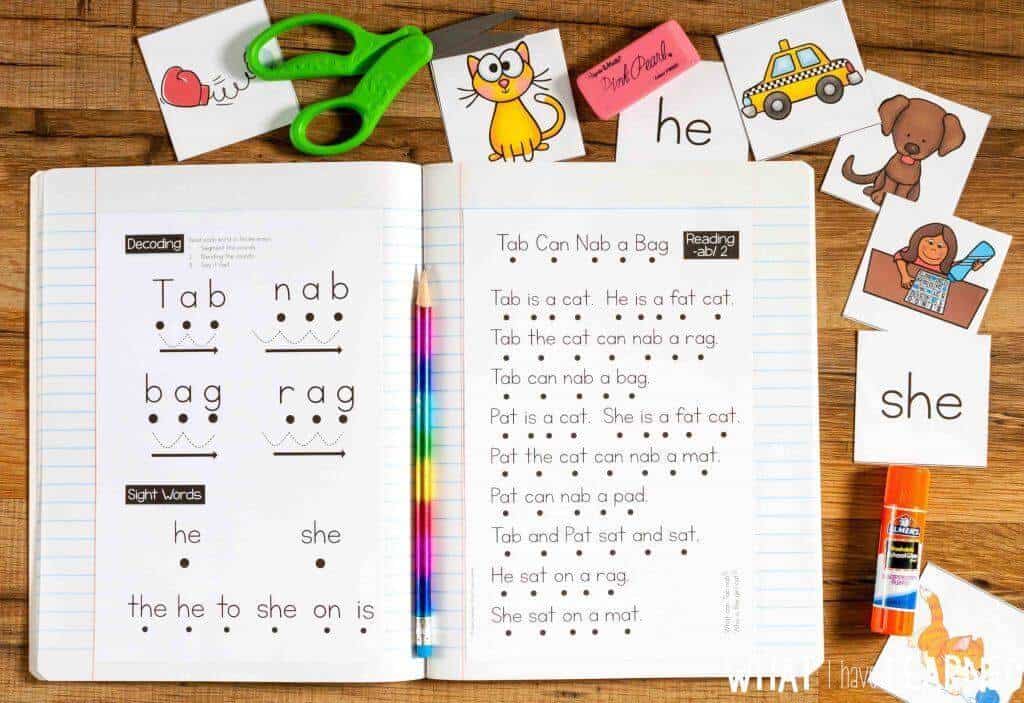
These Kindergarten Phonics Readers are the perfect tool to teach decoding and sight words. Each unit has one word family, three stories, and only two sight words for students to learn. Students get a lot of practice with the word family and the sight words!

-
 Short E Phonics Passages$4.95
 -
Short U Phonics Passages$6.25
-
Short O Phonics Passages$4.95
-
Short I Phonics Passages$6.25
-
Product on saleCVC Phonics Passages by Word Family BUNDLEOriginal price was: $37.11.$26.00Current price is: $26.00.
-


Sight Word Practice Games
Like play, engaging students in games will help them memorize sight words faster. The more opportunities students have to play games and interact with the words, the easier they will learn them.
I have developed a set of partner games for high-frequency words or sight words. These partner games are designed for first-, second-, or third-graders, but more advanced kindergarteners could play the game.

Click through to the blog post to read about the high-frequency words and sight word games included in this resource.

Free Irregular Words Bookmark
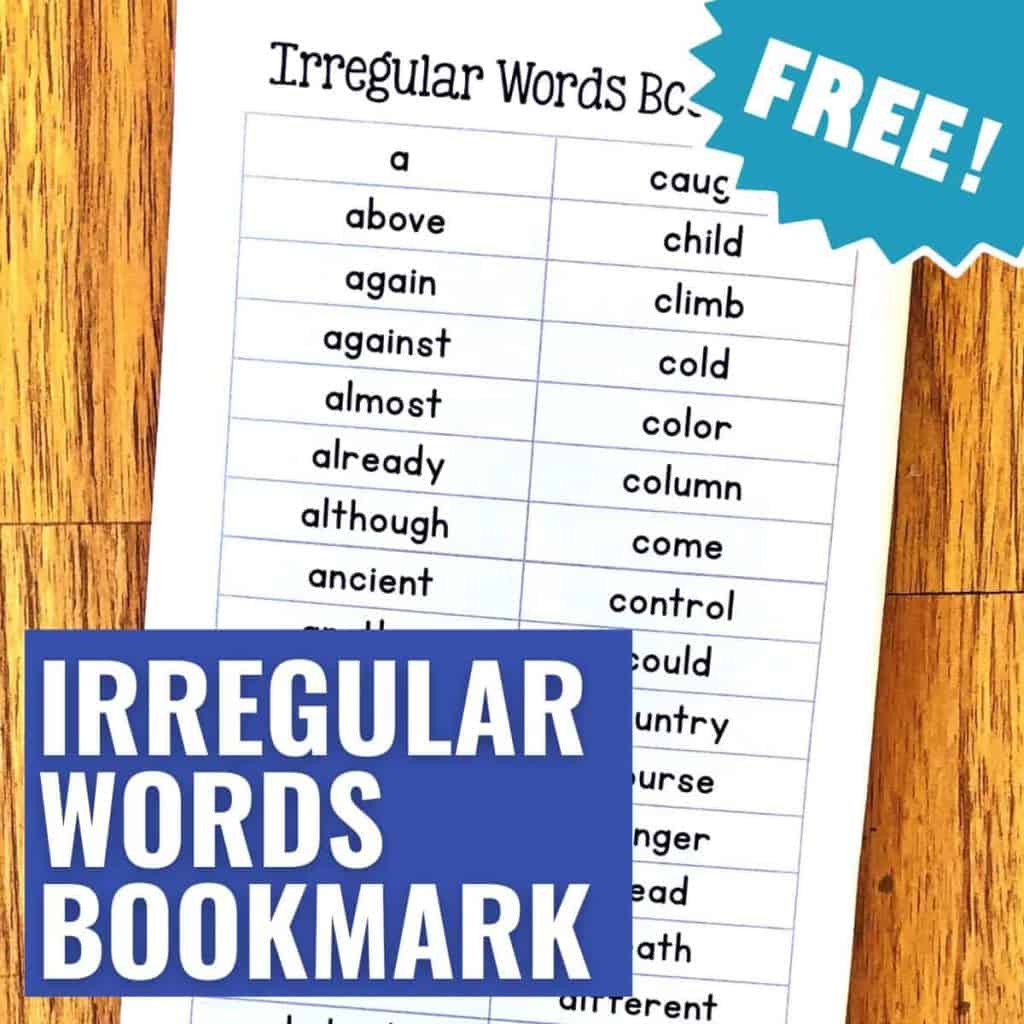
Would you like a free sight word bookmark that lists many irregularly spelled sight words? These are words that students need to memorize and that are difficult to spell. They are also words that teachers use as heart words.
What activities do you use to teach sight words in your classroom? I’d love to hear about them in the comments below!

Good information.
Thank you.