
Graphic Organizers for Differentiation: Supporting Every Reader in Grades 2–5
Differentiation in reading instruction can feel like a constant balancing act. In one group, students need significant support to understand a text, while in another, students are ready to analyze and explain their thinking in greater depth. Meeting all those needs at once can be challenging.
One effective way to support a wide range of learners is by using graphic organizers for differentiation. When used intentionally, graphic organizers provide structure, language support, and varying levels of scaffolding so all students can access the same comprehension skills.
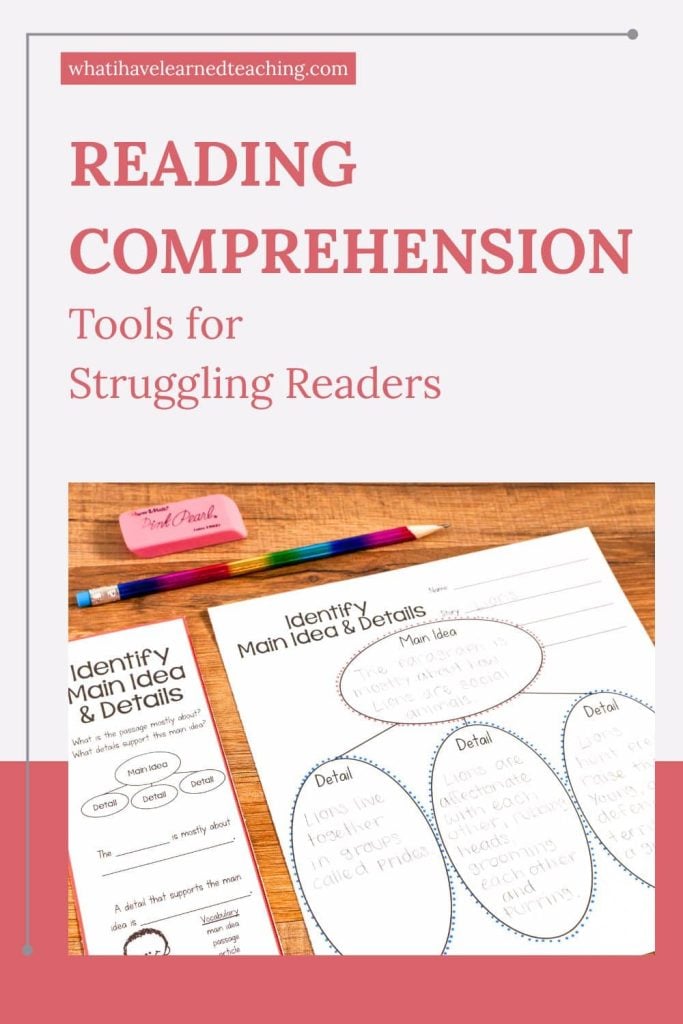
If you want to see how differentiation fits into your overall instruction, read this step-by-step guide on how to teach reading comprehension. In this post, we’ll focus specifically on how to use graphic organizers to differentiate your instruction for students in grades 2–5.
Why Differentiation Matters in Reading
Reading comprehension is not a one-size-fits-all skill. Students come to your classroom with different background knowledge, vocabulary, decoding ability, and language proficiency. Even when students are reading the same text, they may need very different levels of support to understand it.
Without differentiation, some students may feel overwhelmed by open-ended tasks, while others may not be challenged enough to grow. The goal of differentiation is not to give completely different work, but to provide the right level of support so all students can engage with the same skill.
Graphic organizers are especially useful here because they allow you to maintain consistency in the skill while adjusting the level of scaffolding.
How to Use a Graphic Organizer for Differentiation in Reading
Graphic organizers make it easier to differentiate by adjusting how much support students receive without changing the overall task.
One simple way to differentiate is by varying the level of structure. Some students may need clear prompts, sentence starters, or guided questions to help them organize their thinking. Others may be ready to respond more independently with fewer supports.
You can also differentiate by changing expectations. For example, one group might identify the main idea and list supporting details, while another group explains how those details support the main idea in a written response.
Another approach is to vary how students work with the organizer. Some students may benefit from completing it with a partner or small group, while others can work independently. You might also guide one group step by step while another group applies the skill independently.
The goal is to adjust the level of support while keeping the comprehension skill the same.
If you’re not sure which organizer to choose for each skill, this guide to different types of graphic organizers breaks them down by comprehension skill.
Three Ways to Differentiate with Graphic Organizers
More Structured Support
For students who need more support, use organizers that include clear prompts, guiding questions, or sentence starters. These help students understand what they are looking for and how to explain their thinking.
For example, instead of asking students to “identify the cause and effect,” a more structured organizer might guide them with prompts like:
- What happened?
- What caused it?
- What was the result?
This type of support reduces cognitive load and helps students focus on understanding the text instead of figuring out what to do.
Less Structured Support
For students who are ready for more independence, use organizers with fewer prompts or more open-ended sections. These allow students to organize their thinking in their own way while still focusing on the same skill.
For example, students might:
- Create their own categories
- Write responses without sentence starters
- Expand their thinking with explanations or examples
This encourages deeper thinking and helps students apply comprehension skills more independently.
Using Both Versions at the Same Time
One of the most practical aspects of differentiated graphic organizers is that you can use two versions in the same lesson. While one group uses a more structured organizer that includes sentence starters and guiding questions, another group uses a more open-ended version of the same organizer. Everyone reads the same text and practices the same comprehension skill. The only difference is the level of built-in support.
This is what makes differentiation manageable in a real classroom. You are not running two separate lessons or writing two sets of directions. You print two versions, give a brief overview of the task, and circulate. Students who need more support have the scaffolding right in front of them. Students who are ready for more independence have space to respond in their own way.
Over time, you can shift students toward less structured versions as their confidence grows. The goal is not to keep students in the same level permanently, but to give them the support they need now so they can eventually work without it.

Why Graphic Organizers Support Struggling Readers and ELLs
Graphic organizers are especially helpful for struggling readers and English learners because they provide both visual and language support.
For struggling readers, organizers break tasks into smaller, manageable steps. Instead of responding to a broad question, students can focus on one part of the thinking at a time. This makes comprehension feel more accessible.
For English learners, organizers can support both understanding and expression. Many students understand more than they can explain, and having structured prompts or sentence frames helps them put their thinking into words. Over time, this builds confidence and strengthens academic language.
In both cases, graphic organizers help students move from simply reading a text to explaining its meaning.
Using Graphic Organizers Across Different Groups
Graphic organizers can be used flexibly across your entire reading block, making them a practical tool for differentiation.
In whole-group lessons, you can model how to use an organizer and guide students through the thinking process. In small groups, you can adjust the level of support based on student needs. During independent reading, students can use organizers to practice applying skills independently.
You can also use the same organizer across different groups while adjusting expectations. This keeps your instruction consistent while still meeting the needs of different learners.
For more ideas on using these in daily instruction, see how to use graphic organizers for reading comprehension.
Looking for Ready-to-Use Differentiated Graphic Organizers?
If you’re looking for a consistent set of graphic organizers that support multiple comprehension skills and levels of learners, having a ready-to-use resource can make planning much easier.
These reading comprehension graphic organizers are designed to work with any text and include options that support both structured and independent responses. They can be used across whole-group lessons, small groups, and independent practice.
👉 Take a closer look at these reading comprehension graphic organizers here.
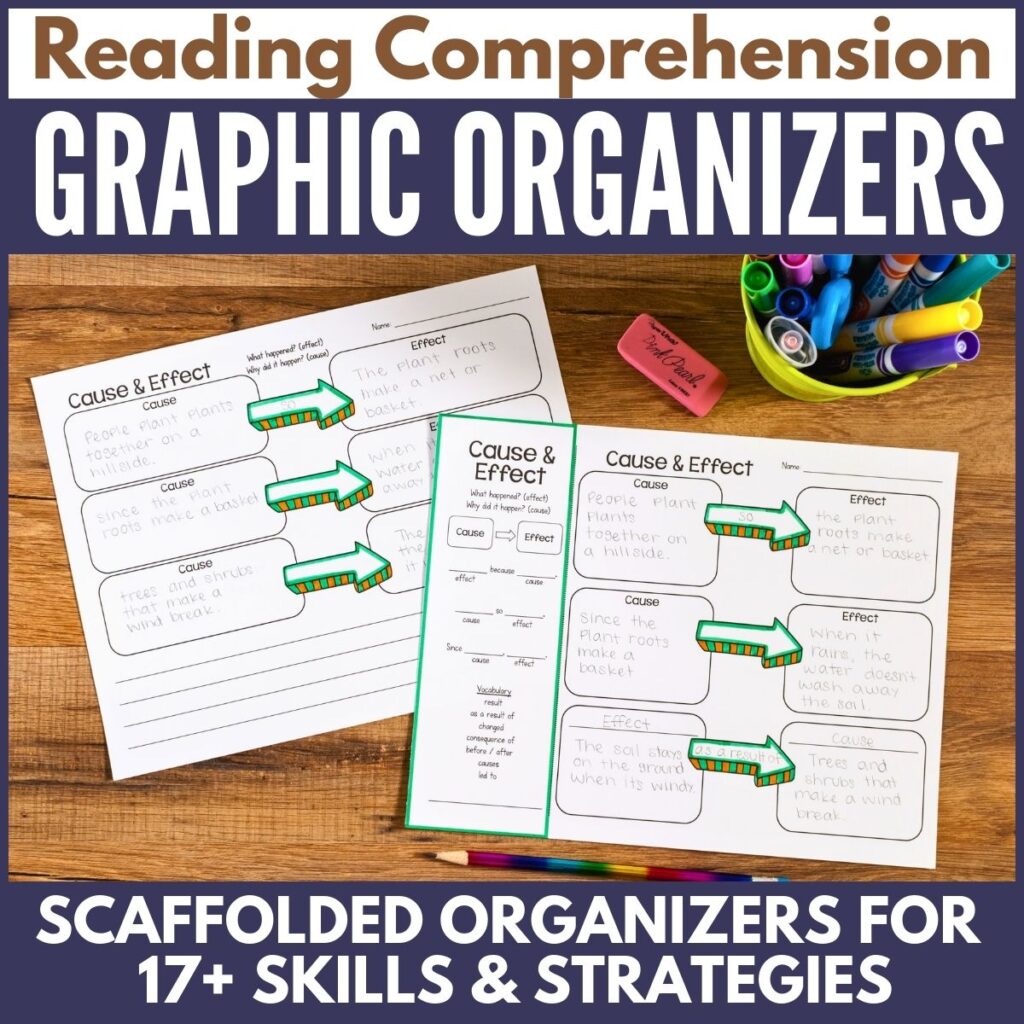
Reading Comprehension Graphic Organizers with Language Support & Bookmarks
Support deeper reading comprehension and academic language development with these Reading Comprehension Graphic Organizers. Featuring 40 comprehension-focused organizers in two formats for a total of 80 options, this resource helps students discuss, analyze, and write about any text using sentence frames, vocabulary support, and reading strategies.
Jessica BOschen
Jessica is a teacher, homeschool parent, and entrepreneur. She shares her passion for teaching and education on What I Have Learned. Jessica has 16 years of experience teaching elementary school and currently homeschools her two middle and high school boys. She enjoys scaffolding learning for students, focusing on helping our most challenging learners achieve success in all academic areas.