
Bats Nonfiction Writing Activity & Anchor Chart

October is the perfect time to study and write about creatures that come out at night. Bats, spiders, owls . . . this month is filled with creepy creatures that students love to explore and learn about.
Our kindergarten and first grades focus heavily on spiders during the Fall months. Since my second graders have done way too much work with spiders the past few years, I decided to do something with bats this year.

This post contains links to affiliate websites, such as Amazon, and we receive an affiliate commission for any purchases made by you using these links. We appreciate your support!
This writing mini-unit took two to three days to complete. You can have it as short or as long as you want by adjusting how deep you go on certain components.
This unit also correlates a blog series I wrote about Information Writing. This particular post was taught earlier in the year and made a good introduction to the expository writing process.
Day 1: Eliciting Information & Gathering Facts
Day one is all about eliciting information from students and gathering facts.
What do students already know?
First, we made a map of what we already knew about bats. I wrote down whatever the students told me, whether it was accurate or not. I took all the answers related to bats.

Above is an anchor chart we created the first year I taught this lesson. Here is another anchor we created the second year.

What did we learn?
We then read a book about bats. It was just one I pulled from our school library that had enough information in it without being too technical. There are a ton of great bat books out there.
Here are a few suggestions that might work, for read-aloud or a more in-depth unit.
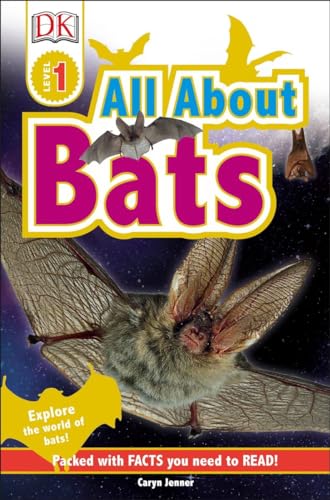
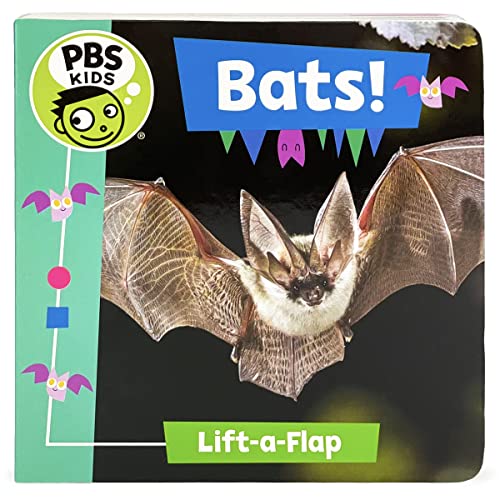
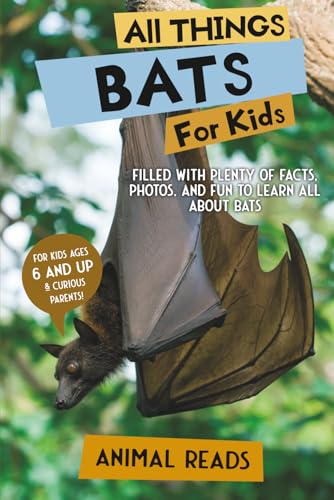


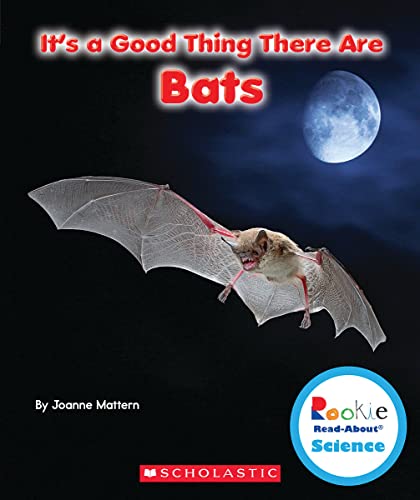

Or I also have this Bat Informational Article and Comprehension Activities Resource. Students can read and record facts from the bat article and work with the text in a variety of ways.

While we read the book or article, we checked off facts that were already on our chart, corrected some misconceptions, and added facts to the lower half.
After reading, we added even more facts to the bottom portion to round out our understanding.
That was all in one day. Day 1 was focused on gathering facts. You can read more about how we gather facts on Day 1 of our formal writing units in this blog post.
Here is an example of ways to extend the learning beyond a one-day recording of facts. These comprehension activities help students dig deeper into the text and learn more about the animal.

Day 2: Organize Facts & Rough Draft
On Day 2, we took the facts from our graphic organizer, organized them into a writing graphic organizer, and started our rough drafts.
In the Bat Resource, I included a fact sort that aligns with the informational article. Students can cut apart and sort the facts into categories and use those facts to write their paragraphs.
I find the fact sorts are perfect for students who struggle with writing, but who can work with more complicated, and larger amounts of information. When I help students with writing, I want to help them organize their thinking, not get muddled by the amount of information.
You can read more about how I teach informational writing and help students organize their facts in this blog post.
Organizing Our Writing
Alternatively, you can have students use any number of graphic organizers. Here is an example of a 4-square prewriting organizer. We basically folded a piece of paper in half, wrote a topic sentence in the final square and wrote facts from our graphic organizer.


I had students list what bats look like, how they hunt
I helped them out by color-coding the circle map. You can see the colors in the picture above.
All the green squares were how bats looked and fit into the first square. The same for the other squares. The color coding helped students organize their thoughts. This was the first time we had done somewhat formal instruction on how to write an expository paragraph and I needed to make it as simple as possible for students.
Start Our Rough Drafts
We also started our rough drafts on the second day. I gave students the topic sentence and conclusion. The rest of the sentences they created from the bulleted list on their graphic organizer.

Students did an awesome job! I corrected their rough drafts for spelling and grammar mistakes between Day 2 & 3. You can see my corrections above.
For some students, I also used this as an opportunity to start teaching them how to combine two shorter sentences to make longer sentences.
I needed to pull that concept out into a formal lesson with the whole group, but this was a good introduction to that process. I can definitely use some of their own writing here to model and practice the concept in the coming weeks.
Day 3: Final Draft Writing About Bats

Students wrote their final draft on paper. I stapled each student’s final draft, rough draft, and prewriting together to a black piece of paper so that I could keep track of the whole process we went through.
Although our district doesn’t do nonfiction writing until the next trimester, I find October to be a good, low-key introduction to it with some fun, interesting animals.
In the next
Do you do any writing about bats or other creepy animals during the month of October? I’d love to hear about it in the comments below.
Are you interested in the Bats Article & Activities?
The Bats informational article and reading comprehension activities can be purchased on my website or on Teachers Pay Teachers.
Do you need engaging informational texts that your elementary students will actually want to read?
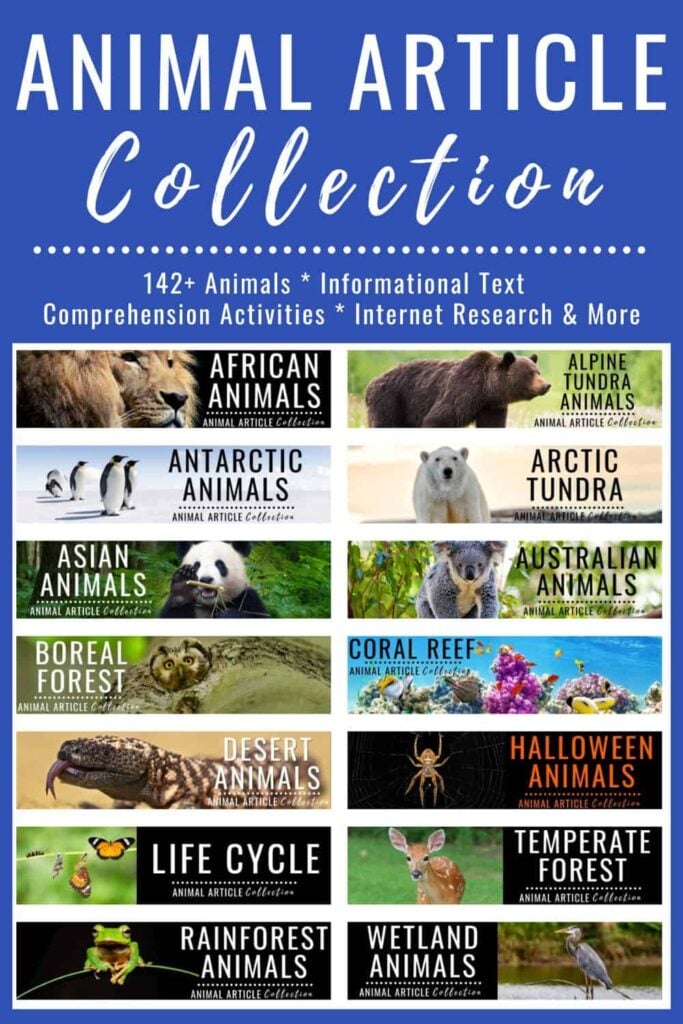
The Animal Article Collection includes 142+ animal articles spanning 14 ecosystems, complete with reading comprehension and structured writing activities. Students can choose their animal while building skills in informational text, research, and report writing.
Are you interested in a FREE resource for your Informational Writing Unit? Click below for a FREE Informational Article about Frogs. This Animal Article includes a two-page article with color photos, a one-page article with only text, QR codes, and a fact sort.


Kiddos love learning about bats. I just shared a bat tally mark activity. I would love for you to come and check it out.
I am your newest follower. =)
Heather
Heather’s Heart