Earth’s Biosphere: Hands-on Activities for Upper Elementary Students
The Earth’s biosphere is the sphere that students are already part of, making it a great anchor for teaching Earth’s systems. Every organism on the planet, from the bacteria in…

Jessica shares her passion for teaching and education on What I Have Learned. Jessica has 16 years of elementary teaching experience and currently homeschools her two middle school boys. She enjoys scaffolding learning for students, focusing on helping our most challenging learners achieve success in all academic areas.
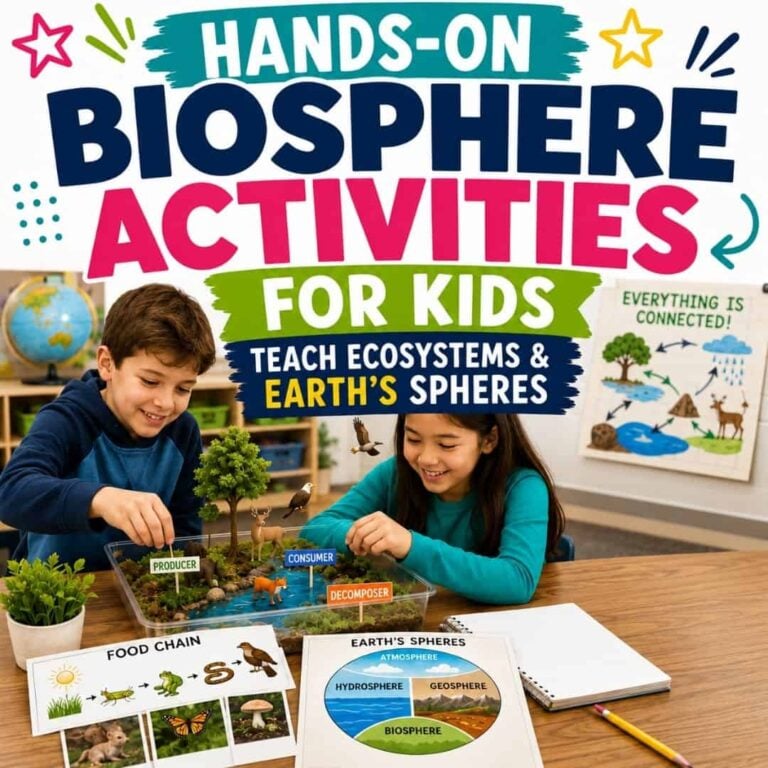
The Earth’s biosphere is the sphere that students are already part of, making it a great anchor for teaching Earth’s systems. Every organism on the planet, from the bacteria in…
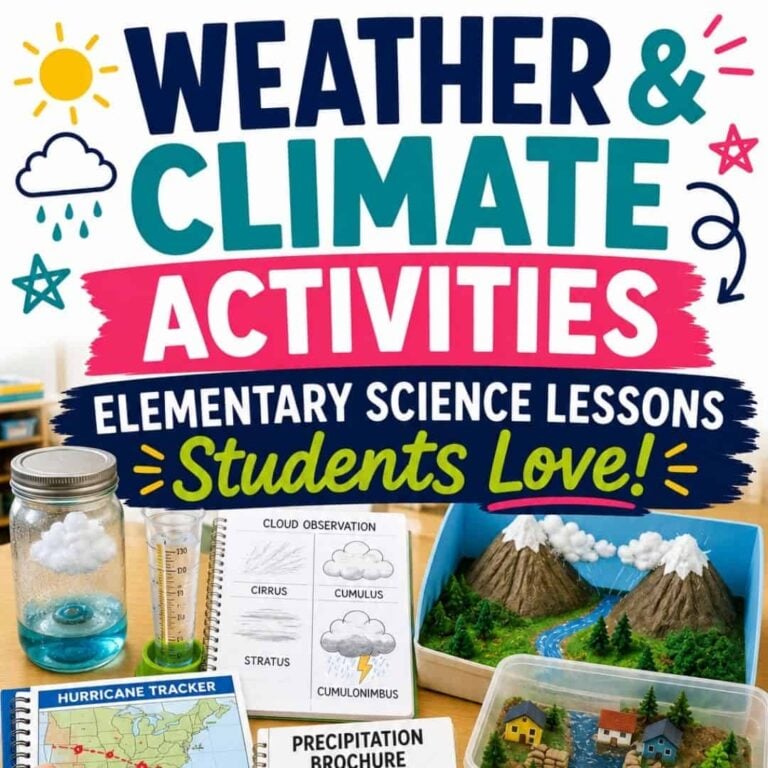
Weather activities for 3rd grade cover some of the most naturally engaging science content in the elementary curriculum. Students already have opinions about the weather, and NGSS standards 3-ESS2-1, 3-ESS2-2,…
Twenty minutes with a family go fast. If you spend most of it talking, you leave the conference knowing exactly what you walked in knowing, which isn’t much. The best…
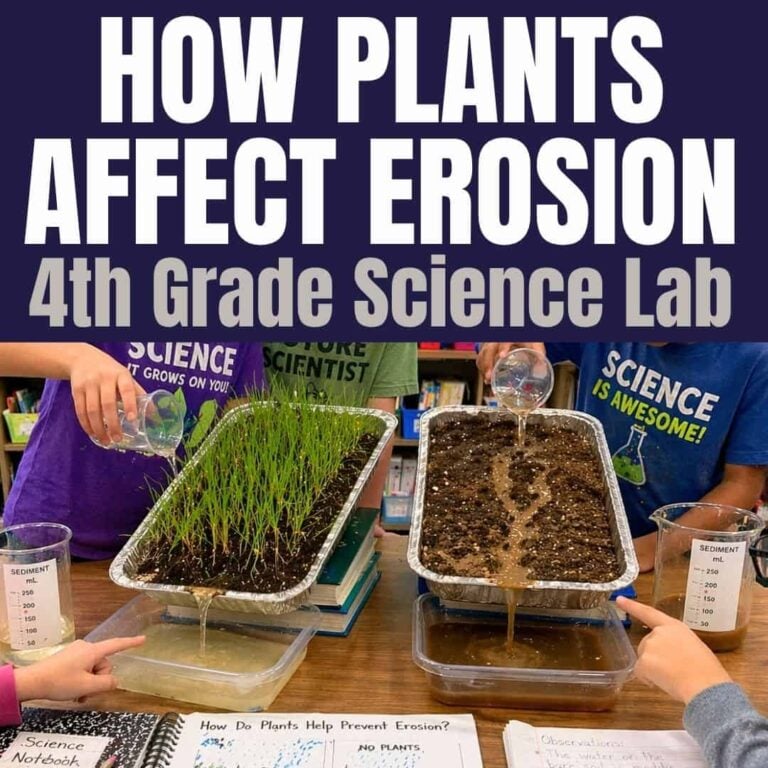
This prevent erosion science experiment has 4th graders compare bare soil to soil with plants, measure sediment in runoff, and draw diagrams to understand how vegetation protects against erosion.
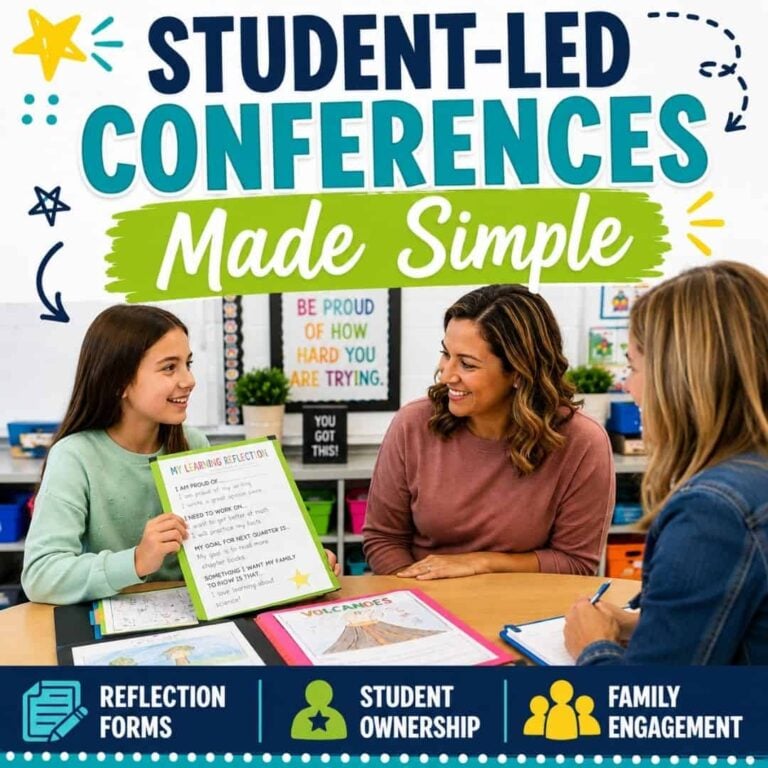
Student-led parent teacher conferences completely change the dynamic of conference week — and once you’ve run them, it’s hard to go back. Instead of spending twenty minutes narrating a student’s…
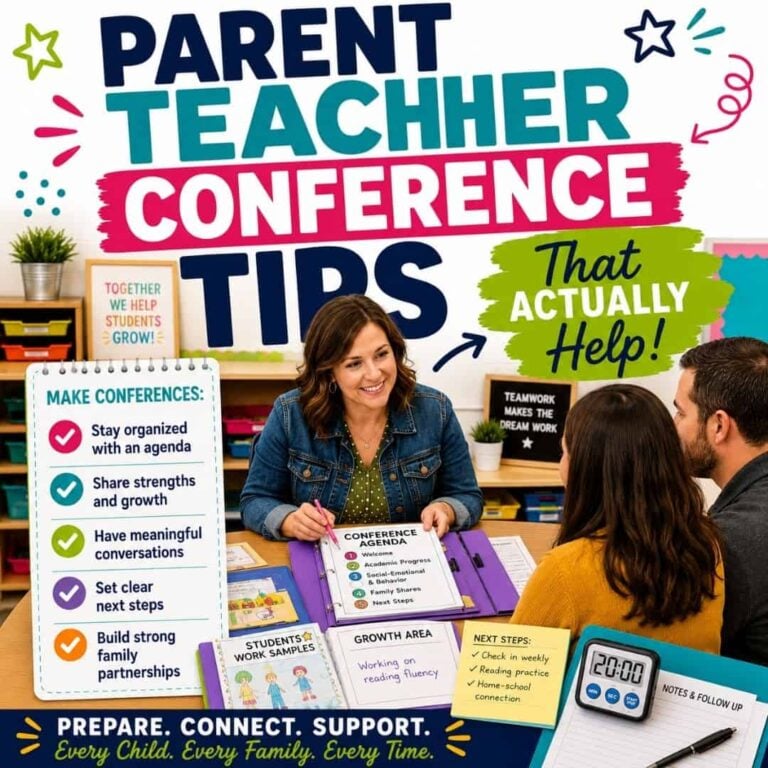
Parent teacher conferences can feel like a marathon with back-to-back families, limited time, and a lot of ground to cover. With a clear agenda and a few intentional parent teacher…
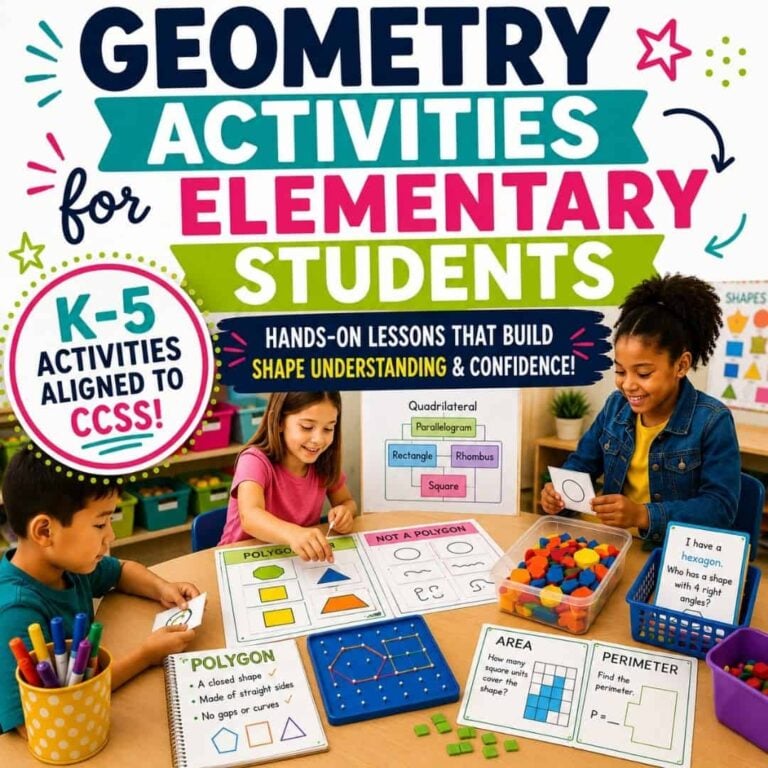
Geometry can feel like the easiest math unit to teach because students already know what a square looks like. But teaching geometry in elementary school well means going beyond shape…
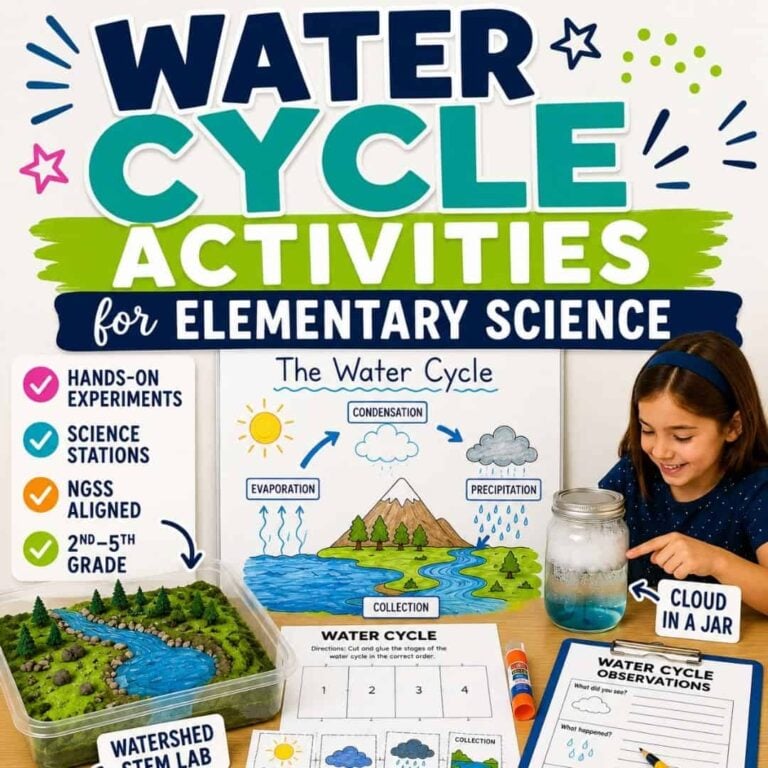
Teaching the water cycle for kids works especially well in elementary science because the topic recurs at multiple grade levels, each time with greater depth. Students encounter it first in…
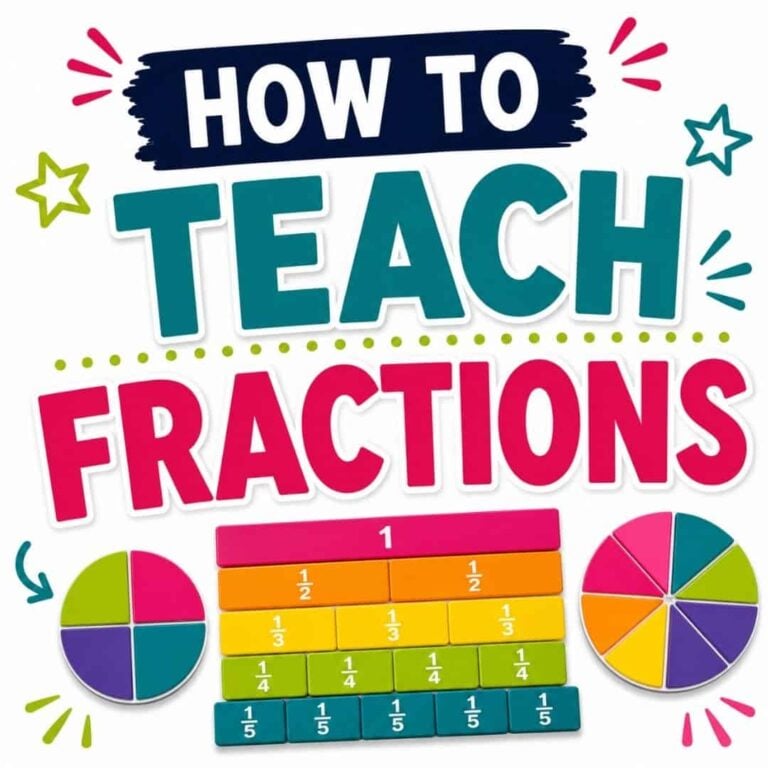
To teach fractions well in elementary school, conceptual understanding has to come before computation. The Number and Operations: Fractions (NF) domain builds steadily from 3rd grade through 5th, and each…
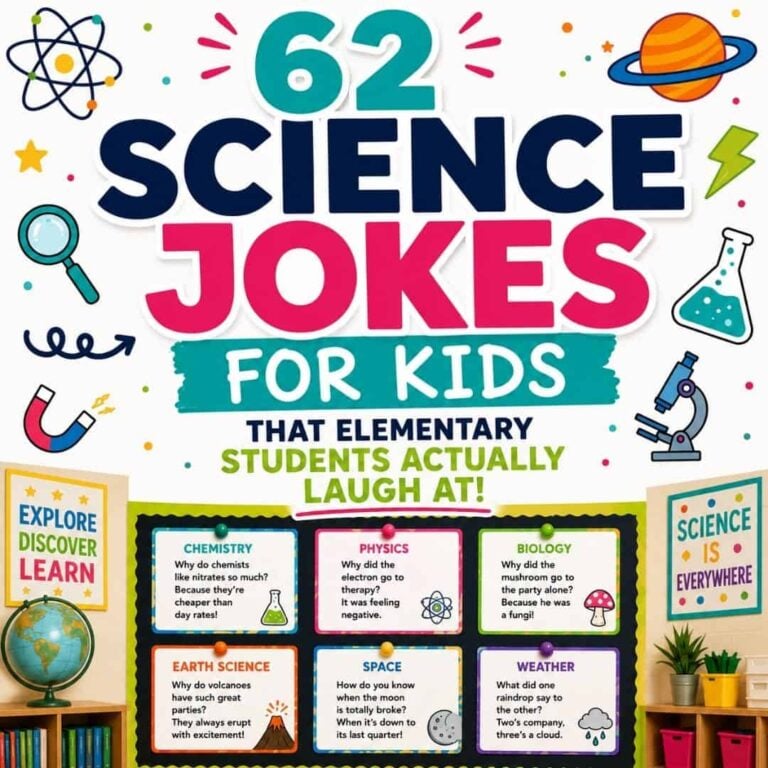
Nothing gets a laugh out of a class faster than a well-timed science pun. Whether you’re wrapping up a chemistry unit, taking a brain break during earth science, or just…
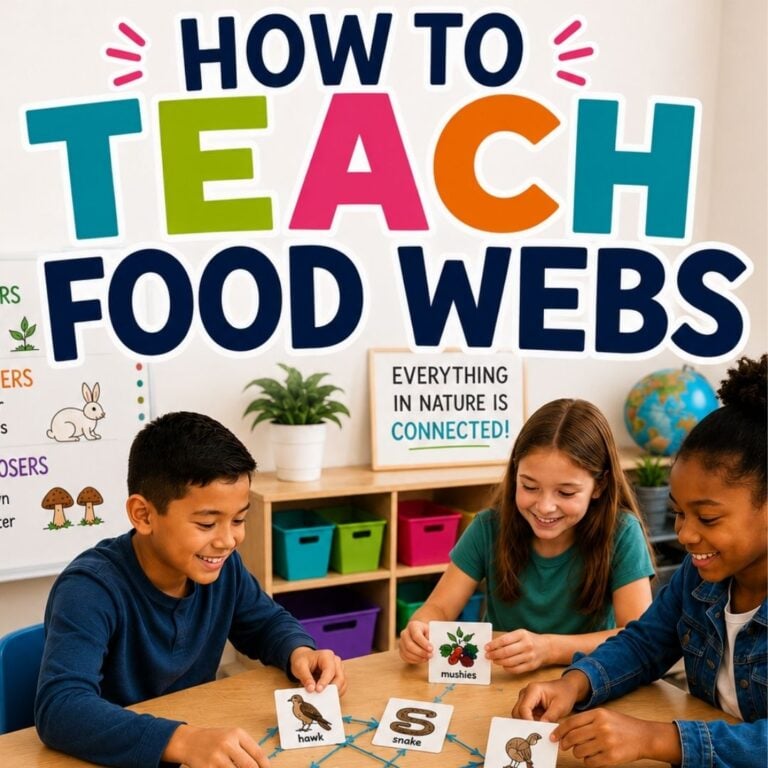
Food chains and food webs are one of those topics that sound simple on the surface but become more complex as students move through the grade levels Students encounter the…
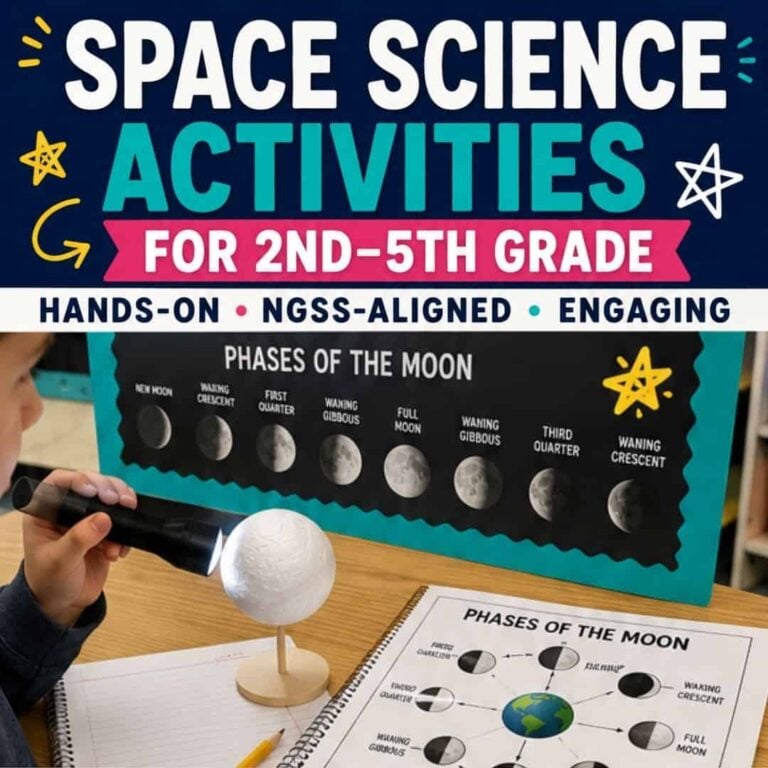
Space science for elementary students varies by grade. The NGSS sequence builds from patterns students can observe (shadows, seasons, day and night) to the physics behind those patterns (Earth’s rotation,…
End of content
End of content