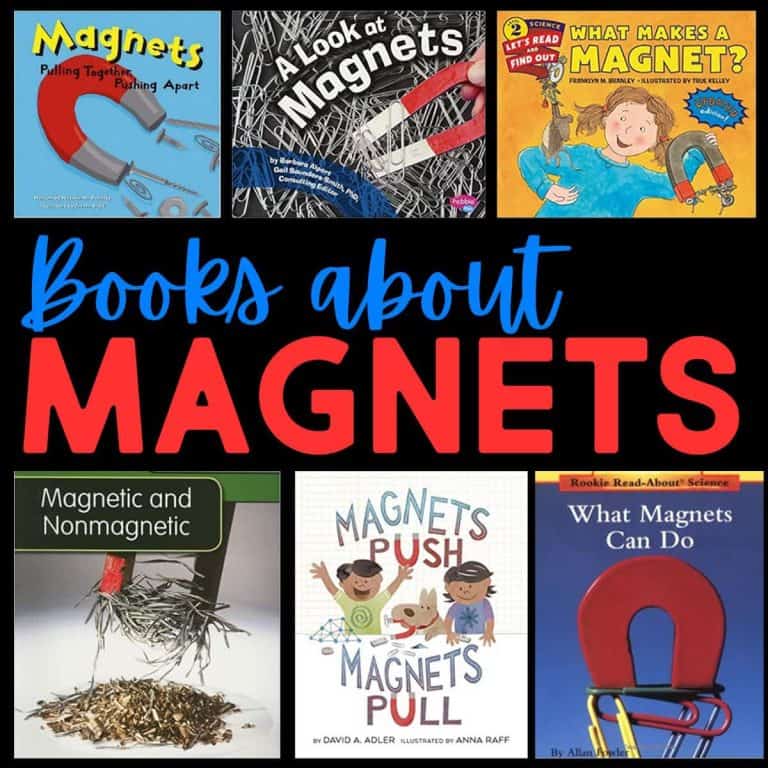
15 Force and Motion Picture Books to Engage Young Learners
One way to engage students in teaching about difficult science concepts like Force and Motion is to help them relate the new concepts to the world around them. Books are…
Jessica shares her passion for teaching and education on What I Have Learned. Jessica has 16 years of elementary teaching experience and currently homeschools her two middle school boys. She enjoys scaffolding learning for students, focusing on helping our most challenging learners achieve success in all academic areas.
One way to engage students in teaching about difficult science concepts like Force and Motion is to help them relate the new concepts to the world around them. Books are…
These Two-Digit Addition Math Stations help students use addition strategies and models such as number lines, breaking apart addends, and base-10 blocks. Students will develop their skills with a variety…
How do you stop students from blurting out in the classroom? Do you have some processes in place to curb blurting, but they’re just not working for you anymore? Here…
This New Year Goal Setting Flap Book is a great activity to use during the first week back from holiday break to reflect on the previous year and set goals…
A fun Christmas Craft Flap Book and holiday activity in which students can write or draw about their favorite Christmas memory, Christmas tradition, an act of kindness they will do,…
These 5E Unit Plans for Third Grade are exactly the science resources teachers need to plan and implement inquiry-based science instruction. The 5E lesson plan provides the right amount of scaffolding…
The Engage phase of the 5E instructional model is where students become curious about a new science concept. Instead of starting with direct instruction, teachers introduce an interesting question, demonstration,…
Many science lessons follow a familiar pattern: read the textbook, complete a worksheet, and take a quiz. While this approach can introduce information, it doesn’t always help students develop a…
During the Extension phase of the 5E instructional model, students apply what they learned in earlier phases to new situations. After developing an understanding of the scientific concept during the…
The 5E Model of Science Instruction is an inquiry-based teaching framework that guides students through five phases of learning: Engage, Explore, Explain, Extend, and Evaluate. Instead of beginning with a…
Teachers using the 5E instructional model know that the Explore phase is where students begin investigating a new science concept. Instead of listening to explanations, students work with materials, ask…
After many years of teaching science, I’ve tried many different approaches to lesson planning. Some worked well, while others left students disengaged or struggling to understand the concepts. The approach…
End of content
End of content