Compare Word Problems – How to Teach Students to Solve Them
Compare word problems can be some of the most difficult addition and subtraction problems for students to solve. In this type of problem, students are asked to compare two groups…

Jessica shares her passion for teaching and education on What I Have Learned. Jessica has 16 years of elementary teaching experience and currently homeschools her two middle school boys. She enjoys scaffolding learning for students, focusing on helping our most challenging learners achieve success in all academic areas.
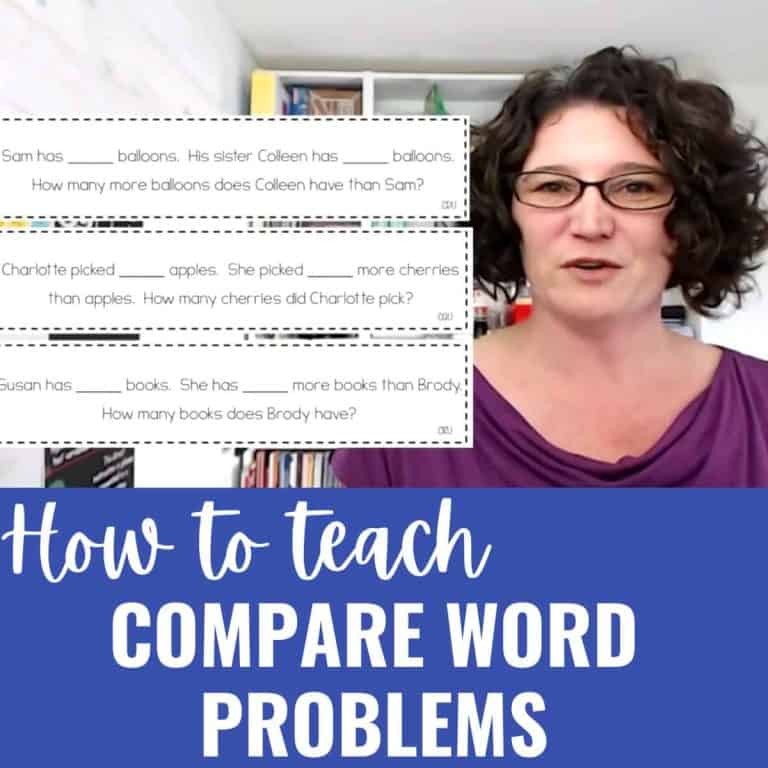
Compare word problems can be some of the most difficult addition and subtraction problems for students to solve. In this type of problem, students are asked to compare two groups…

These three-digit addition worksheets are available at four different levels and practice five different addition strategies: use a number line, use base-10 blocks, break apart the addends, use Vs, and…
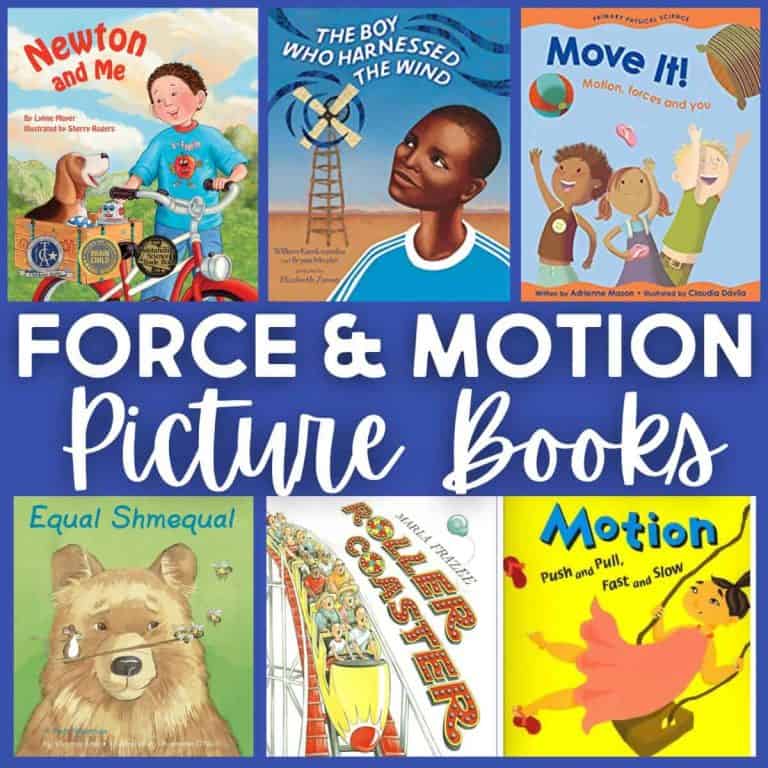
One way to engage students in teaching about difficult science concepts like Force and Motion is to help them relate the new concepts to the world around them. Books are…

Teaching two-digit addition strategies well means giving students more than an algorithm. Students who only learn to line up numbers and add down the column often hit a wall when…

When students know an answer or have something to share, it’s often easier to shout out than to wait. That enthusiasm is worth preserving — but blurting disrupts the students…

This New Year Goal Setting Flap Book works well during the first week back from holiday break to reflect on the previous year and set goals for the new year….

A fun Christmas Craft Flap Book and holiday activity in which students can write or draw about their favorite Christmas memory, Christmas tradition, an act of kindness they will do,…
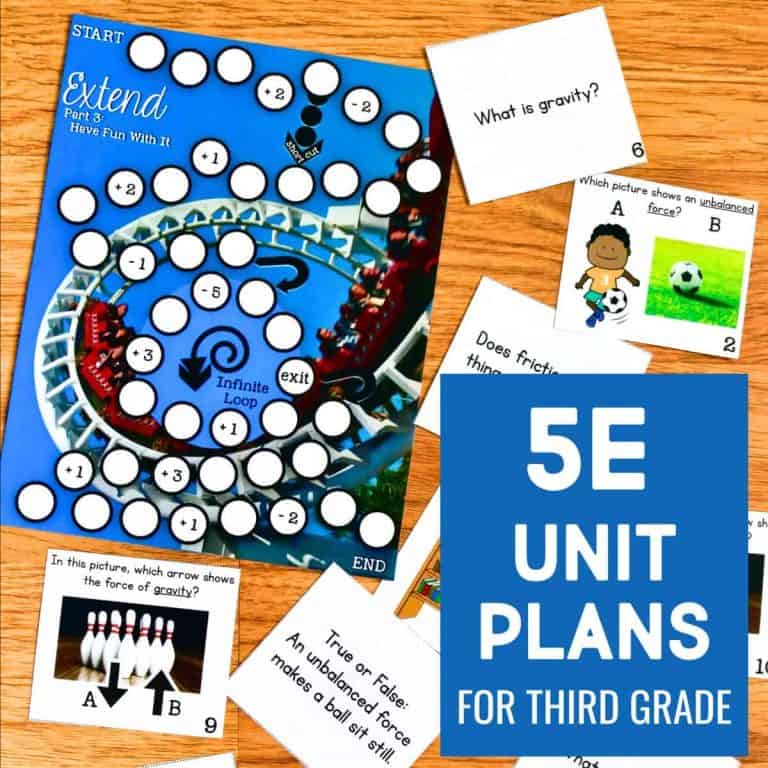
These 5E Unit Plans for Third Grade are exactly the science resources teachers need to plan and implement inquiry-based science instruction. The 5E lesson plan provides the right amount of scaffolding…
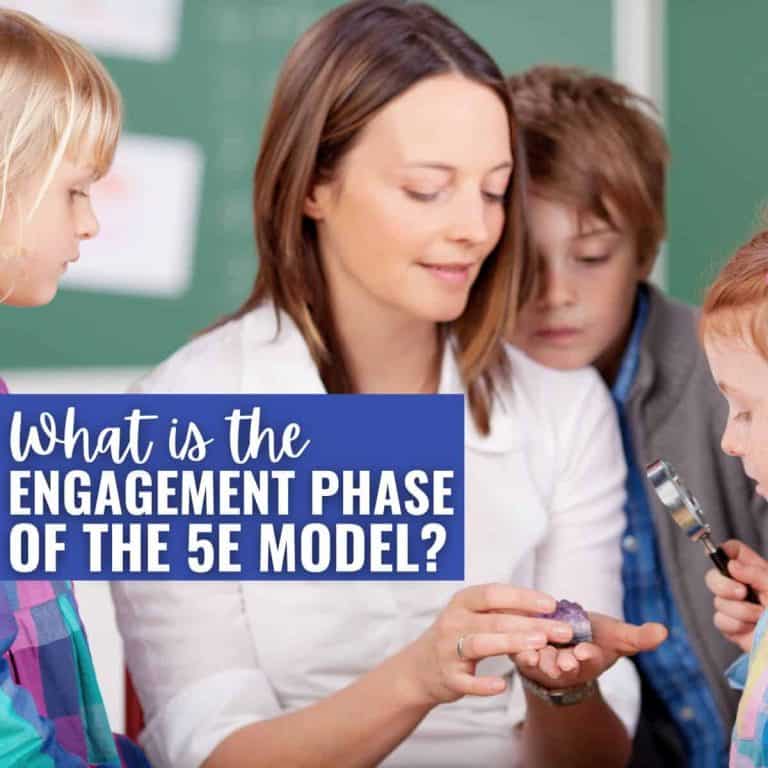
The Engage phase of the 5E instructional model is where students become curious about a new science concept. Instead of starting with direct instruction, teachers introduce an interesting question, demonstration,…
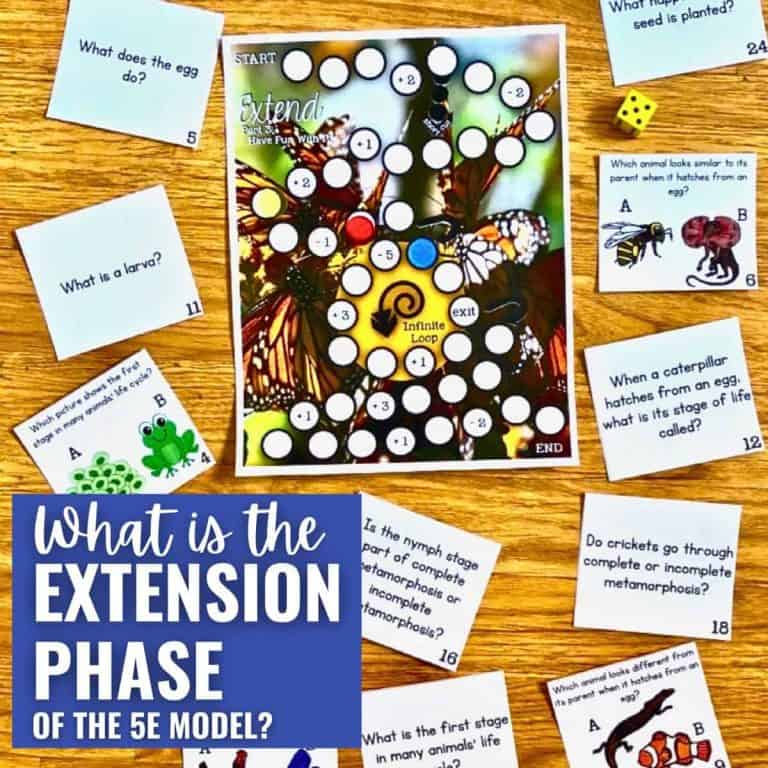
During the Extension phase of the 5E instructional model, students apply what they learned in earlier phases to new situations. After developing an understanding of the scientific concept during the…
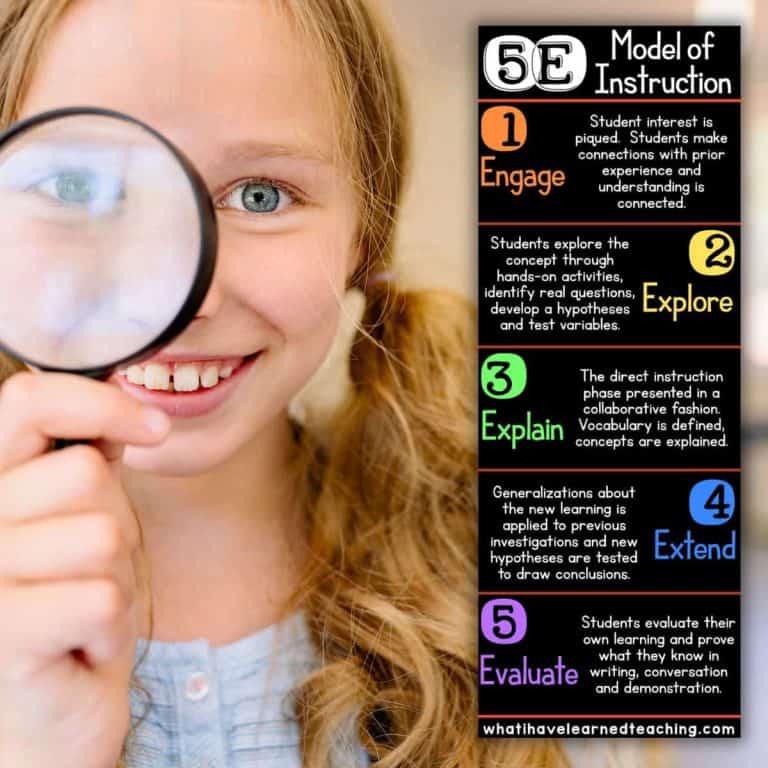
The 5E Model of Science Instruction is an inquiry-based teaching framework that guides students through five phases of learning: Engage, Explore, Explain, Extend, and Evaluate. Instead of beginning with a…
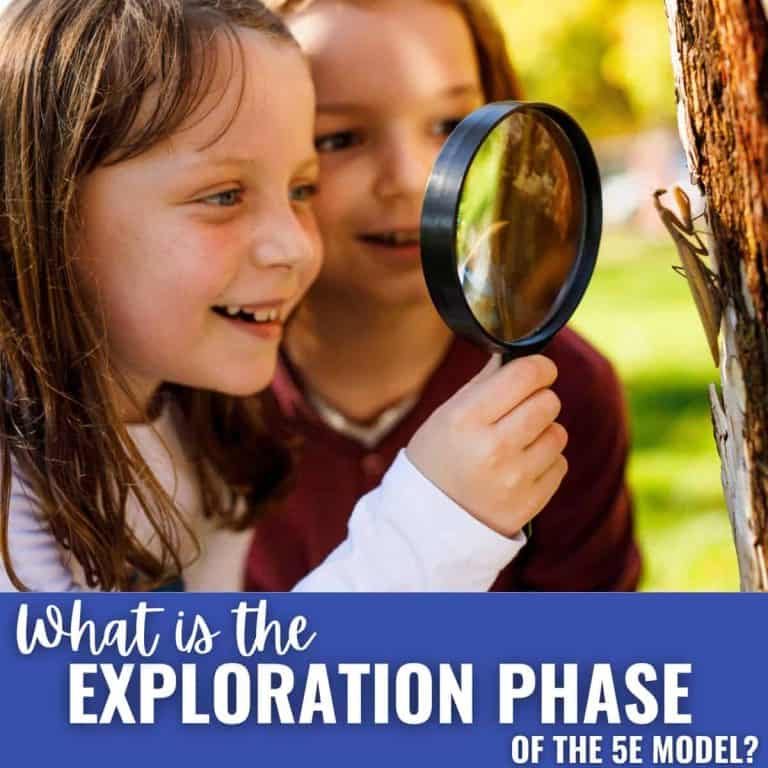
Teachers using the 5E instructional model know that the Explore phase is where students begin investigating a new science concept. Instead of listening to explanations, students work with materials, ask…