Skip to content
Free printables and teaching tips Get them here
What I Have Learned Logo
  • AboutExpand
    • Frequently Asked Questions
    • Contact
    • Legal Policies
    • How to Teach Word Problems
  • Teaching StrategiesExpand
    • Classroom Management
    • English Learners
    • Differentiation
    • Goal Setting
    • Explore by GradeExpand
      • Kindergarten
      • First Grade
      • Second Grade
      • Third Grade
      • Fourth Grade
      • Fifth Grade
  • Teaching IdeasExpand
    • Math
    • Reading
    • Writing
    • Science
    • Seasonal
Shop on TPT
What I Have Learned Logo
  • Text reads How to Teach Fossils in 3rd Grade above an image of a large dinosaur fossil skeleton embedded in rock, highlighting the fascinating world of fossils for young learners.
    Life Science

    Fossil Activities for 3rd Grade: Teaching Fossil Evidence and Ancient Life (NGSS 3-LS4-1)

    Fossils are a core topic in 3rd-grade science and a major focus of NGSS 3-LS4-1. In a 3rd grade fossil unit, students learn how fossils provide evidence of organisms that…

    Read More Fossil Activities for 3rd Grade: Teaching Fossil Evidence and Ancient Life (NGSS 3-LS4-1)Continue

  • An open book displaying a fossil illustration rests on a white surface, accompanied by rocks, a magnifying glass, an ammonite fossil, and a dinosaur skull. Ideal for young learners eager to explore prehistoric life, this scene showcases the SQUARE Books About Fossils for Elementary Students and captures the excitement of discovering fossils through reading and hands-on investigation. The text above reads SQUARE Books About Fossils for Elementary Students.
    Life Science

    Books About Fossils for Elementary Students (Picture Books & Nonfiction)

    If you’re looking for engaging books about fossils for elementary students, this list will help you build background knowledge, spark curiosity, and support your science lessons. Fossils provide students with…

    Read More Books About Fossils for Elementary Students (Picture Books & Nonfiction)Continue

  • Inheritance & variation of traits 3rd grade.
    Life Science

    Inheritance, Variation of Traits & Environment – 3rd Grade NGSS

    Inheritance of traits and variation of traits are foundational life science concepts in the 3rd grade. Students learn that traits are passed from parents to offspring, that individuals within the…

    Read More Inheritance, Variation of Traits & Environment – 3rd Grade NGSSContinue

  • inherited vs learned traits.
    Life Science

    Inherited Traits vs. Learned Behaviors: Examples and Teaching Ideas for 3rd Grade

    Teaching inherited traits vs. learned behaviors is one of the core concepts in 3rd grade life science under NGSS 3-LS3. Inherited traits are characteristics animals are born with, passed down…

    Read More Inherited Traits vs. Learned Behaviors: Examples and Teaching Ideas for 3rd GradeContinue

  • inherited vs learned traits.
    Life Science

    Teach Inherited vs. Learned Traits with a Fun Sorting Activity

    Helping students understand the difference between inherited traits and learned behaviors can feel like a big task, especially for third or fourth graders who are just starting to explore life…

    Read More Teach Inherited vs. Learned Traits with a Fun Sorting ActivityContinue

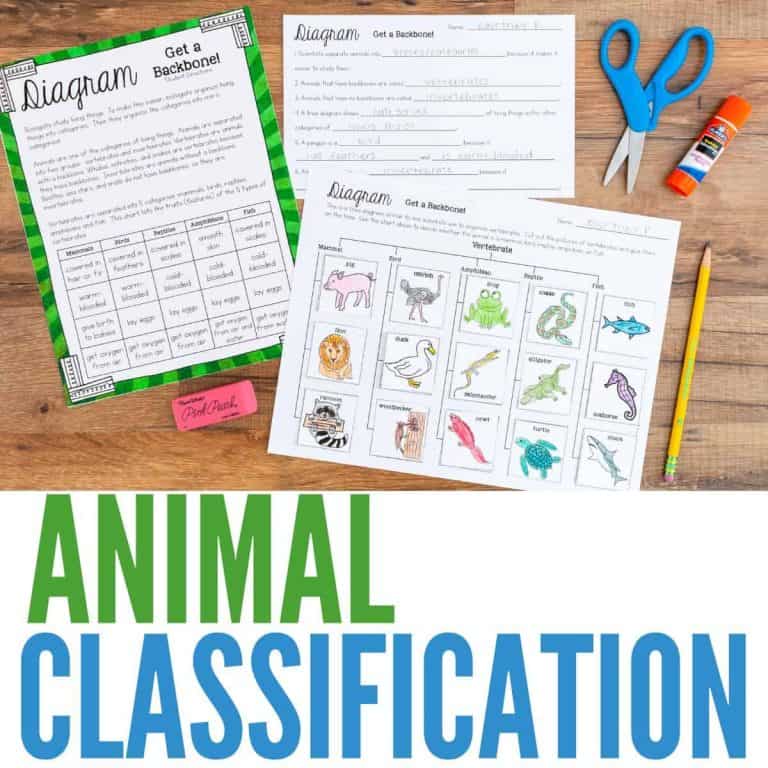
  • Animal classification worksheets and school supplies, including scissors, glue stick, and pencil, are arranged on a wooden table. Bold text at the bottom reads “ANIMAL CLASSIFICATION.”.
    Life Science

    Animal Classification Activity for 3rd Grade Science

    Animal classification is one of those standards that makes more sense once students do something with it. Reading about vertebrates is fine, but having students physically sort animals by whether…

    Read More Animal Classification Activity for 3rd Grade ScienceContinue

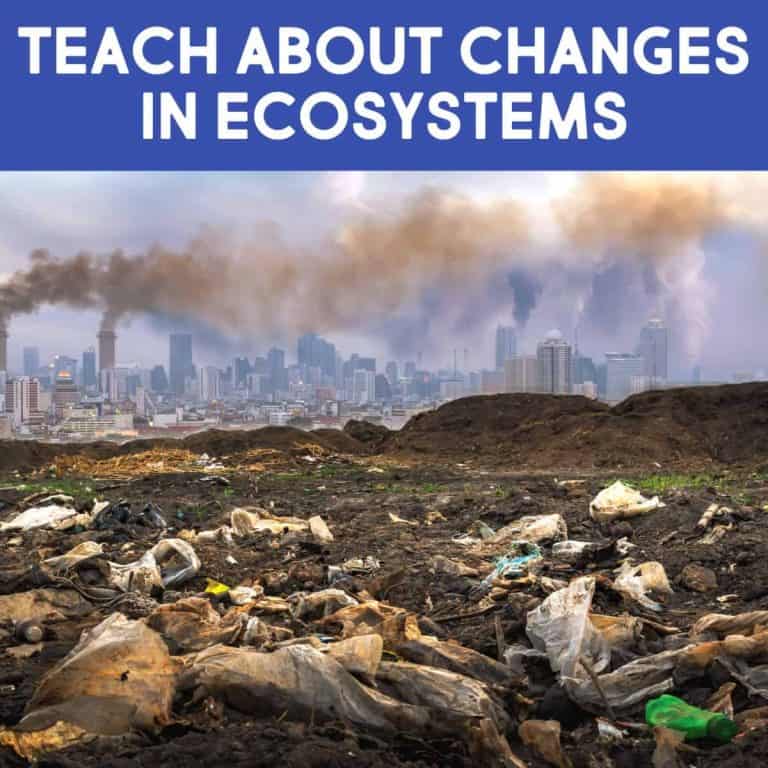
  • A polluted landscape with piles of trash in the foreground and a city skyline in the background, smoke rising into the sky. Text above reads: Teach about changes in ecosystems.
    Life Science

    Human Impact on Ecosystems Activities for Kids

    Teaching students how human activity changes ecosystems is one of the most relevant science topics I cover all year. When students understand they are part of these systems, the learning…

    Read More Human Impact on Ecosystems Activities for KidsContinue

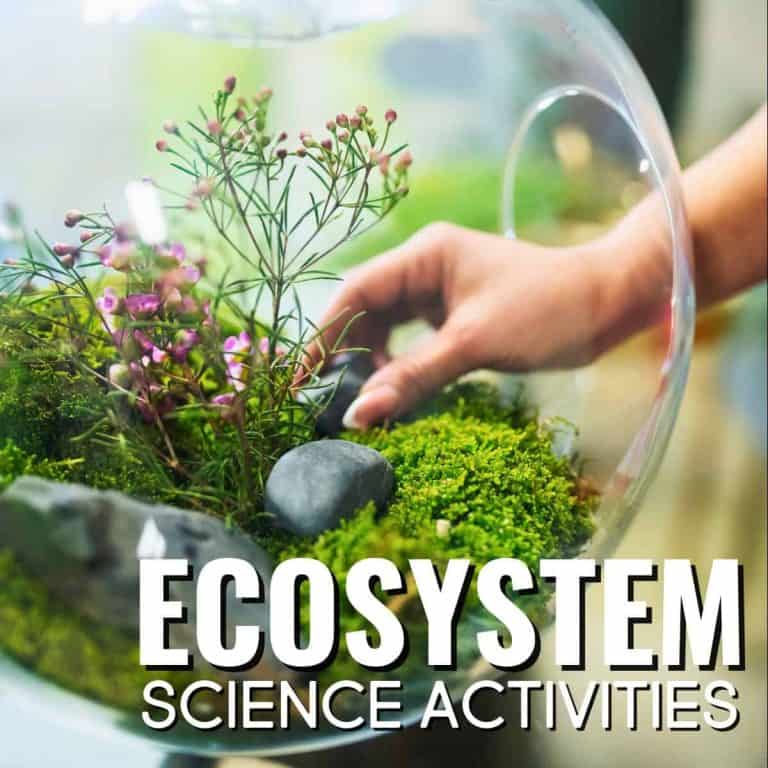
  • These ecosystem activities are perfect for teaching kids about food webs and food chains. They're hands-on, engaging, and most importantly... fun! Your students will love learning about the different relationships between organisms in an ecosystem.
    Life Science

    Hands-on Ecosystem Activities for Elementary Students

    If you’re looking for fun and engaging ecosystem activities to teach your students about food webs and food chains, then you’ve come to the right place! In this blog post,…

    Read More Hands-on Ecosystem Activities for Elementary StudentsContinue

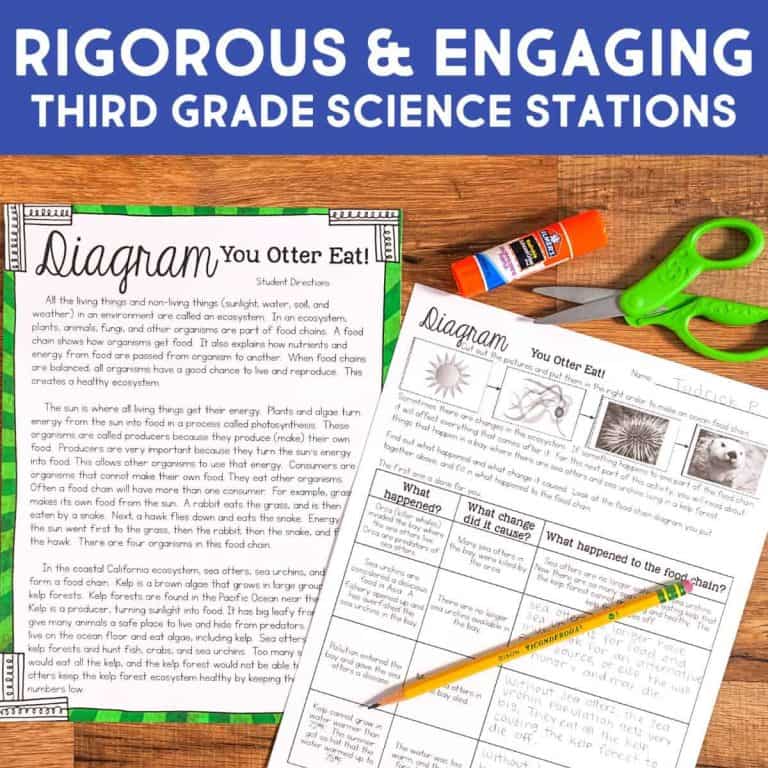
  • Two science worksheets titled Diagram—You Otter Eat! are on a wooden surface with a pencil, green scissors, and a glue stick. A blue banner reads RIGOROUS & ENGAGING THIRD GRADE SCIENCE CURRICULUM STATIONS.
    Science

    Rigorous Third Grade Science Curriculum for NGSS

    Do you ever wonder what your third graders should know in science? As an elementary teacher that follows the Next Generation Science Standards (NGSS), this third grade science curriculum helps…

    Read More Rigorous Third Grade Science Curriculum for NGSSContinue

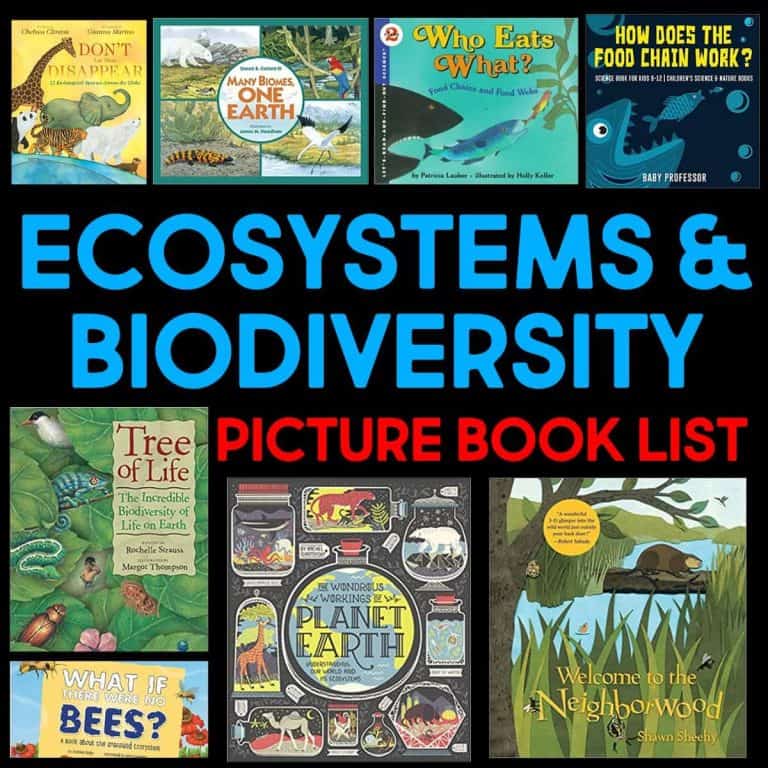
  • A collage of children’s Picture Books About Ecosystems and biodiversity book covers surrounds the bold text “Ecosystems & Biodiversity Picture Book List” on a black background.
    Life Science

    14 Picture Books About Ecosystems & Biodiversity for Elementary Students

    This curated list of picture books about ecosystems and biodiversity for elementary students is organized by grade level and covers topics from food chains and food webs to invasive species…

    Read More 14 Picture Books About Ecosystems & Biodiversity for Elementary StudentsContinue

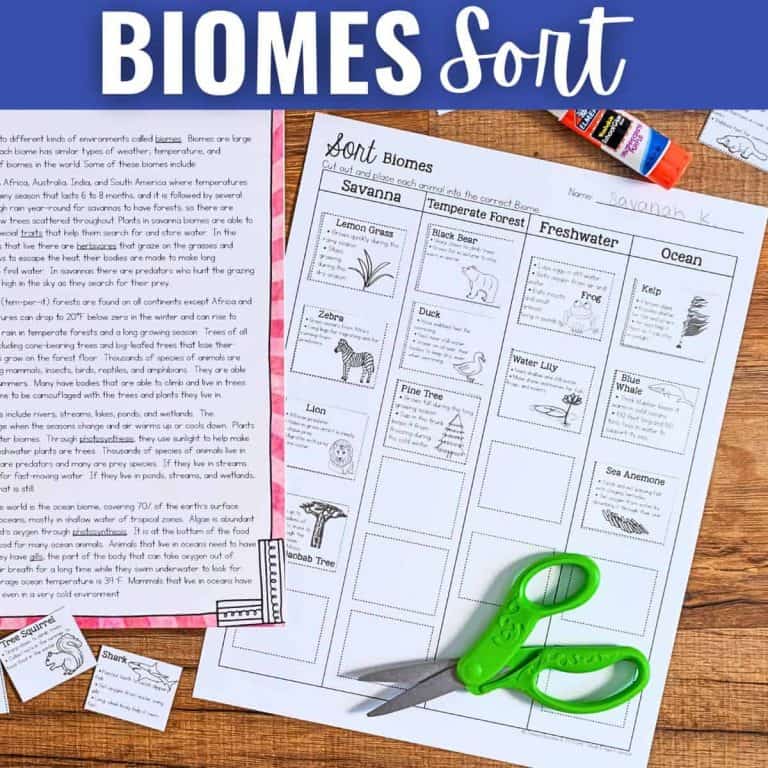
  • A worksheet titled Sort Animals and Plants into Biomes features animal and plant cut-outs, a green pair of scissors, and a glue stick on a wooden table. An instruction sheet and student name box are also visible.
    Life Science

    Animals in Biomes Activity: Sort Plants & Animals (3rd Grade)

    Teaching ecosystems and biomes can feel abstract for students until they actually work with real examples. This sort animals and plants into biomes activity helps students make sense of animals…

    Read More Animals in Biomes Activity: Sort Plants & Animals (3rd Grade)Continue

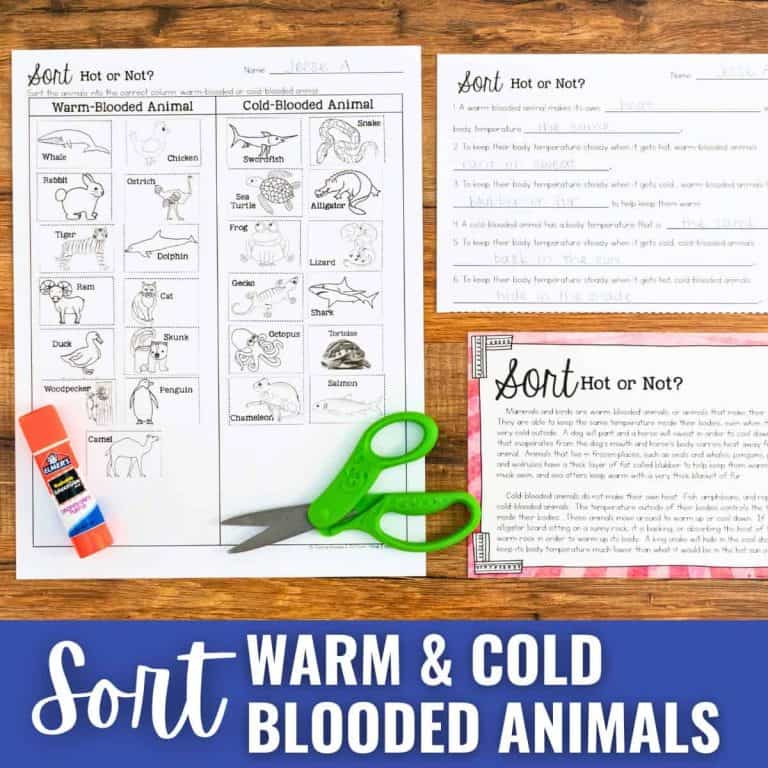
  • A worksheet about sorting Warm-Blooded Vs. Cold-Blooded Animals sits on a table with a green pair of scissors, an orange glue stick, and several related activity sheets. The title reads: Sort Warm & Cold Blooded Animals.
    Life Science

    Warm-Blooded vs. Cold-Blooded Animals: A Sorting Activity for 3rd Grade

    When 3rd graders are learning about warm-blooded and cold-blooded animals, the concept clicks fastest when they can see it in action. Sorting real animals into categories — rabbit here, snake…

    Read More Warm-Blooded vs. Cold-Blooded Animals: A Sorting Activity for 3rd GradeContinue

Page navigation

Previous PagePrevious 1 2 3 4 Next PageNext

Become a part of the Email Community!

Sign up to get a free resource of your choice!

Click to Get a Free Resource
WIHL Footer Logo homepage.
  • Facebook
  • Pinterest
  • Instagram
  • Amazon
  • YouTube

Information

  • About
  • FAQ
  • Shop
  • Contact

Topics

  • Math
  • Science
  • Reading
  • Writing

Teaching Ideas

  • Seasonal
  • Differentiation
  • Management
  • English Learners
  • Privacy Policy
  • Refund Policy

© 2026 What I Have Learned

  • What I Have Learned
  • Learn
    • Math
    • Reading
      • Early Reading
    • Writing
    • Science
    • Instructional Strategies
      • Seasonal
      • Classroom Management
      • Goal Setting
  • Shop
    • Bundles
    • Animal Articles
    • Goal Setting
    • Craftivities
    • Math
    • Phonics
    • Social Studies
    • Science
  • About
    • Courses & Collections
    • FAQ
Search