
Books to Teach Compare and Contrast to Elementary Students
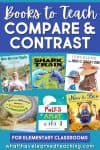
Literature and mentor texts are invaluable resources for teaching students to compare and contrast. They provide concrete examples for students to analyze and discuss, offering insights into characters, settings, themes, and narrative structures.
Using books to teach compare and contrast enriches students’ reading comprehension and engages their imagination and empathy. Teachers can build lessons around these books, encouraging students to explore and articulate the similarities and differences they observe, thereby enhancing their analytical and critical thinking skills.
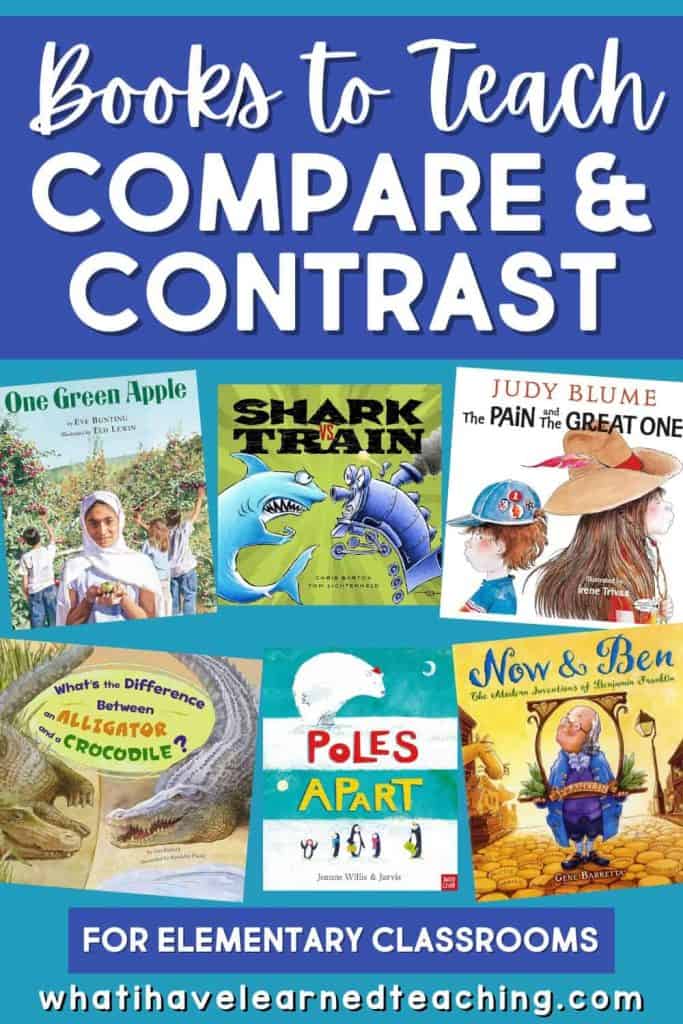
Here’s a selection of literature, picture books, and mentor texts for elementary grades that teachers can use to teach compare and contrast:
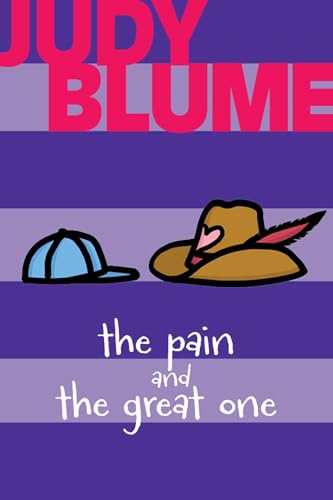
1 – The Pain and the Great One by Judy Blume
This book offers contrasting perspectives between siblings, making it perfect for discussing points of view and family dynamics.
To teach compare and contrast with this book, create a two-column chart with headings “The Pain’s View” and “The Great One’s View.”
After reading, have students list observations about each sibling’s perspective on shared events. This can lead to a discussion on how different people can have different views on the same situation, emphasizing the importance of understanding and empathy.

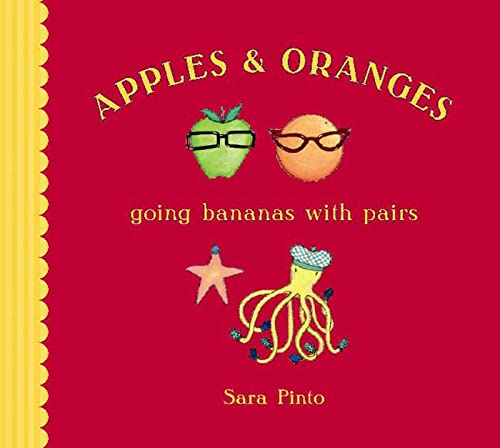
2 – Apples and Oranges: Going Bananas with Pairs by Sara Pinto
This fun and engaging book explores comparing and contrasting through whimsical illustrations and themes.
After reading the book, give students various seemingly different objects (or pictures of objects) in pairs.
Have them use a Venn diagram to compare and contrast these pairs, inspired by the book’s playful take on differences and similarities. This encourages students to look beyond the obvious and appreciate unique characteristics.
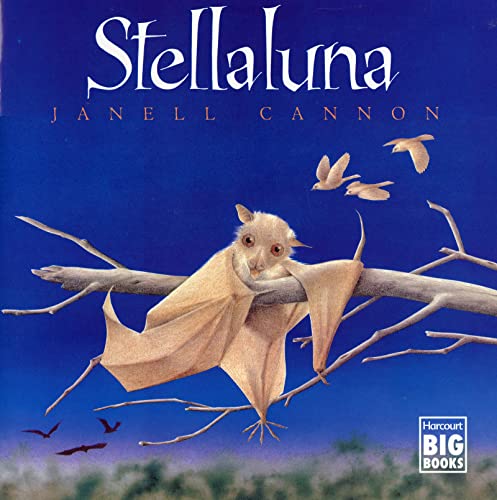
3 – Stellaluna by Janell Cannon
This story of a bat raised by birds provides a rich basis for discussions on identity, belonging, and the similarities and differences between species.
After reading, engage students in creating a Venn diagram that compares Stellaluna’s life with that of the bird siblings. Focus on aspects like diet, habits, and how they sleep.
This activity helps students explore how beings from different backgrounds can still find common ground and friendship.

4 – Shark vs. Train by Chris Barton
This imaginative book pits two unlikely competitors against each other, offering humorous scenarios for kids to compare and contrast.
As a follow-up activity to the book, have students imagine other humorous or unlikely matchups (e.g., elephant vs. refrigerator) and create comic strips or drawings depicting various contests.
They can then write a few sentences comparing and contrasting the strengths and weaknesses of each competitor in their chosen matchups.
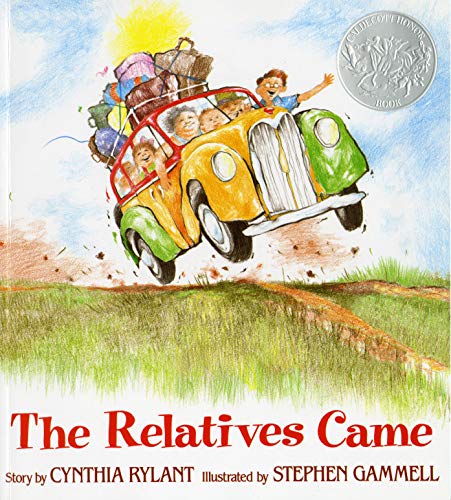
5 – The Relatives Came by Cynthia Rylant
Through its depiction of a family visit, this book explores themes of family, love, and the nuances of different family dynamics.
Encourage students to interview a classmate about a family tradition or a memorable family gathering and then share their findings with the class. They can compare and contrast their family traditions with their classmates, highlighting how families can be similar and different in meaningful ways.

Compare and Contrast Paragraphs & Reading Passages, Comprehension Activities for Academic Language
Help students master the academic language of comparing and contrasting with this unit that enhances reading comprehension by comparing and contrasting topics through differentiated texts and sentence frames.
6 – Aaron and Alexander by Don Brown
This historical picture book compares and contrasts the lives of Aaron Burr and Alexander Hamilton, providing a dual biography that’s engaging for children. If you are studying US history, this would be a great book to bridge language arts and social studies.
Create a timeline for each figure, Aaron Burr and Alexander Hamilton, then compare the timelines in class. This will help students visualize the parallels and divergences in their lives, fostering discussions on how historical figures can influence each other and their times.


7 – Who Would Win? series by Jerry Pallotta
This non-fiction series compares and contrasts animals in hypothetical battles, offering facts and engaging discussions on animal characteristics and behaviors.
Divide the class into small groups and assign each group two animals from the series. Each group researches their animals and presents a debate or report on who would win in a hypothetical matchup, citing specific characteristics or abilities as evidence.
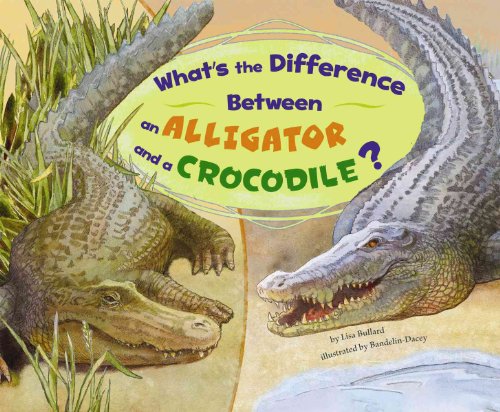
8 – What’s the Difference Between an Alligator and a Crocodile? by Lisa Bullard
This is a great non-fiction text for comparing and contrasting, focusing on commonly confused animals.
Use this book as a springboard for a research project where students choose two similar animals or objects to compare and contrast, presenting their findings in a poster or digital presentation format. This encourages independent research and presentation skills.
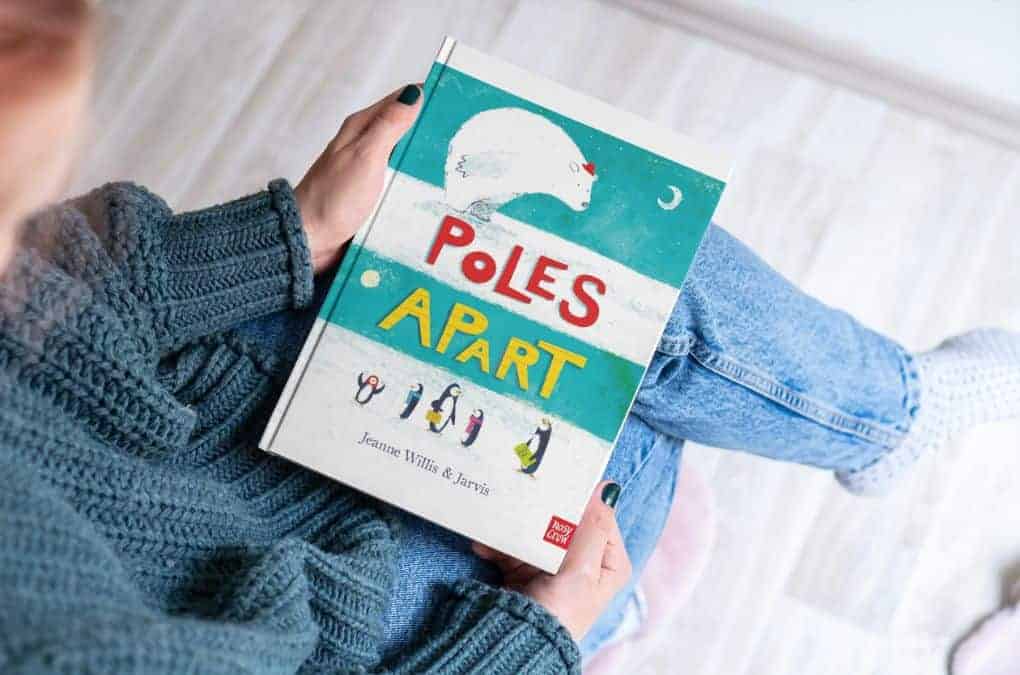
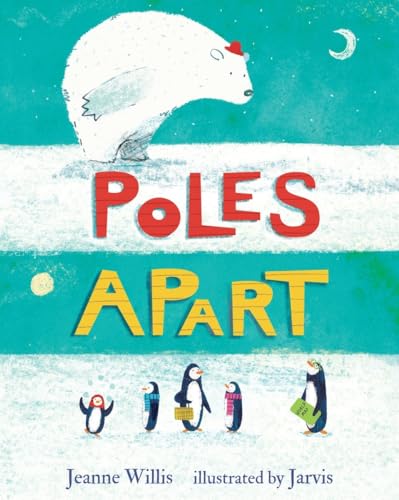
9 – Poles Apart by Jeanne Willis
This story about a family of polar bears ending up on the wrong pole provides a fun backdrop for discussions on geographic and animal differences.
On a world map, have students mark the North Pole and the South Pole, then list the characteristics of each pole and the animals that live there. Discuss the polar bear family’s journey and compare their native Arctic habitat with the Antarctic.
10 – Now and Ben: The Modern Inventions of Benjamin Franklin by Gene Barretta
This book compares Benjamin Franklin’s time to the present, showcasing how his inventions and ideas are still relevant today.
Students can create a two-part art project, with one side depicting the world during Benjamin Franklin’s time and the other showing the modern world. They can highlight how Franklin’s inventions and ideas are used today, comparing and contrasting the past and present.


Comparing Specific Attributes
Are you looking for books that you can use to compare a specific literary device, like characters, setting, or plot? Here are a few books grouped by what can be compared.
Comparing Characters
- “A Tale of Two Beasts” by Fiona Roberton: Offers two perspectives of the same story, one from a little girl and the other from a beast (squirrel), showcasing how actions are interpreted differently by each character.
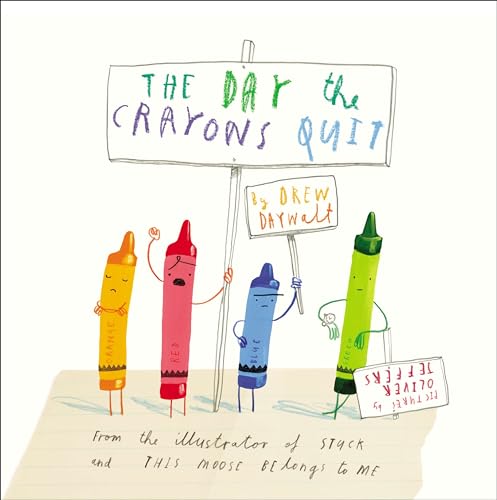
- “The Day the Crayons Quit” by Drew Daywalt: Presents letters from crayons to their owner, each expressing their feelings and uses, allowing for discussion on character perspectives and traits.
Comparing Settings
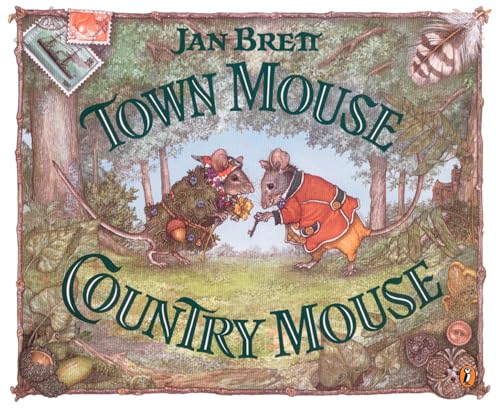
- “Town Mouse, Country Mouse” by Jan Brett: This classic tale, with its detailed illustrations, contrasts the peaceful countryside with the bustling city through the experiences of two mice.
- “Same, Same but Different” by Jenny Sue Kostecki-Shaw: Follows the story of two pen pals from different parts of the world, showcasing how their lives are similar yet different, focusing on their environments and daily routines.
Comparing Themes
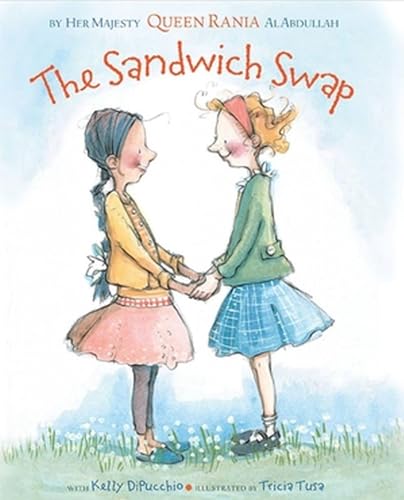
- “The Sandwich Swap” by Queen Rania of Jordan Al Abdullah: Addresses themes of friendship and cultural differences through the story of two girls who discover new foods and learn to appreciate the value of diversity and understanding.
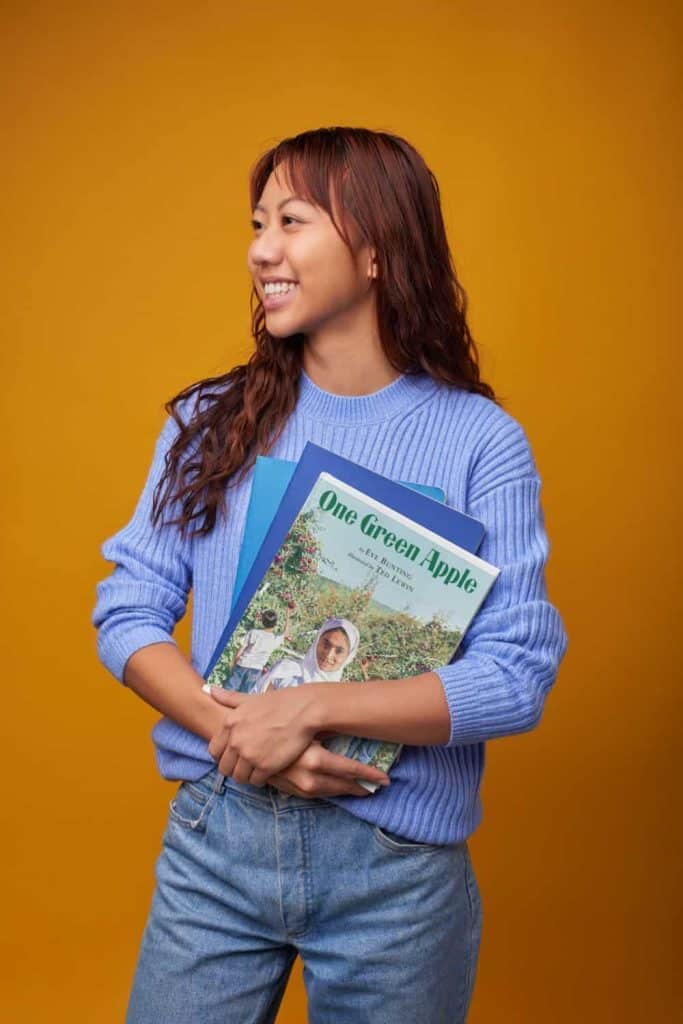
- “One Green Apple” by Eve Bunting: This book tells the story of Farah, a new immigrant, and her first field trip with her class. It explores themes of belonging, friendship, and the journey of adapting to a new culture, offering rich grounds for comparison with other immigration stories.
Comparing Plots
- “Fortunately, Unfortunately” by Michael Foreman: A simple, repetitive pattern of fortunate and unfortunate events offers a fun way to compare and contrast plot developments in a humorous, engaging way.
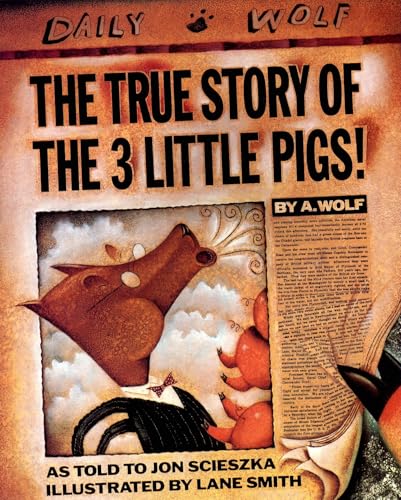
- “The True Story of the 3 Little Pigs!” by Jon Scieszka: Presents the traditional story of the Three Little Pigs from the wolf’s perspective, allowing students to compare plot elements and perspectives between this version and the classic tale.
Comparing Solutions to Problems
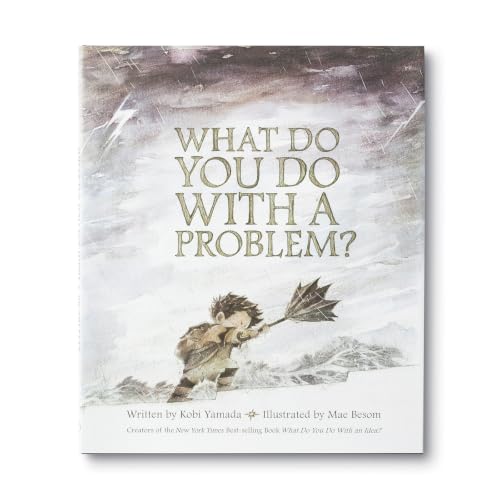
- “What Do You Do With a Problem?” by Kobi Yamada and “What Do You Do With an Idea?” by Kobi Yamada: These two books explore how different characters approach problems and ideas, providing a basis for discussion on problem-solving and creativity.




More Books to Teach Compare and Contrast
Here are a few more ideas to teach compare and contrast to your middle-elementary students.
- Dogzilla & Katkong
- Stone Soup & Cactus Soup
- Lon Po Po or the Rough-Face Girl and Little Red Riding Hood
- Musfasa’s Daughters and Cinderella
- My Rotten Red-Headed Older Brother and The Ultimate Dare
- Home for Christmas and While Christmas Reindeer
- Because of Winn-Dixie and Dyamonde Daniel
- Jumanji and Zathura
These compare and contrast mentor texts can highlight various aspects of comparison and contrast, from character traits and behaviors to historical contexts and scientific facts. They enrich the student’s understanding of literary elements and foster critical thinking and analytical skills.
Once students have practiced with a mentor text, these compare and contrast examples for students give them sentence and paragraph models to apply what they noticed in their own writing.
Whether through the lens of fiction, non-fiction, or historical narratives, these texts provide diverse and engaging ways for students to practice and understand, comparing and contrasting.
Compare and Contrast Paragraphs & Reading Passages, Comprehension Activities for Academic Language
Help students master the academic language of comparing and contrasting with this unit that enhances reading comprehension by comparing and contrasting topics through differentiated texts and sentence frames.
Jessica BOschen
Jessica is a teacher, homeschool parent, and entrepreneur. She shares her passion for teaching and education on What I Have Learned. Jessica has 16 years of experience teaching elementary school and currently homeschools her two middle and high school boys. She enjoys scaffolding learning for students, focusing on helping our most challenging learners achieve success in all academic areas.