
How to Plan Your Teaching Day and Week: A Simple Strategy to Stay Sane
If there’s one thing that keeps me grounded during a hectic school year, it’s having a solid daily plan for teaching. Between read-alouds, recess, math blocks, and maybe even jury duty (yes, really!), staying organized isn’t just helpful—it’s survival.
Whether you’re new to teaching or just looking to tweak your routine, here’s how I approach my daily teaching plan and weekly prep so that I stay (mostly) stress-free and ready for whatever the school week brings.

Planning vs. Prepping: Keep Them Separate
One game-changer in my weekly routine is splitting planning and prepping into two separate sessions. I plan on Thursday afternoons so I can spend our Friday early-release time prepping materials. This helps me stay focused and efficient—no bouncing back and forth between tasks!
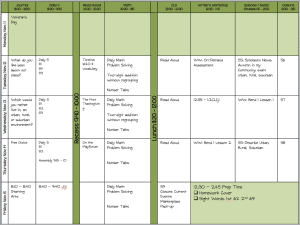
My Planning Tool of Choice
Right now, I use PowerPoint to map out my lessons using a horizontal matrix. Each day has clear sections for every block of time, from arrival to dismissal. It’s easy to copy and paste, and I love having distinct columns for lunch, recess, and instructional time. If my week gets flipped upside down (hello, jury duty), I can still easily see where I left off.
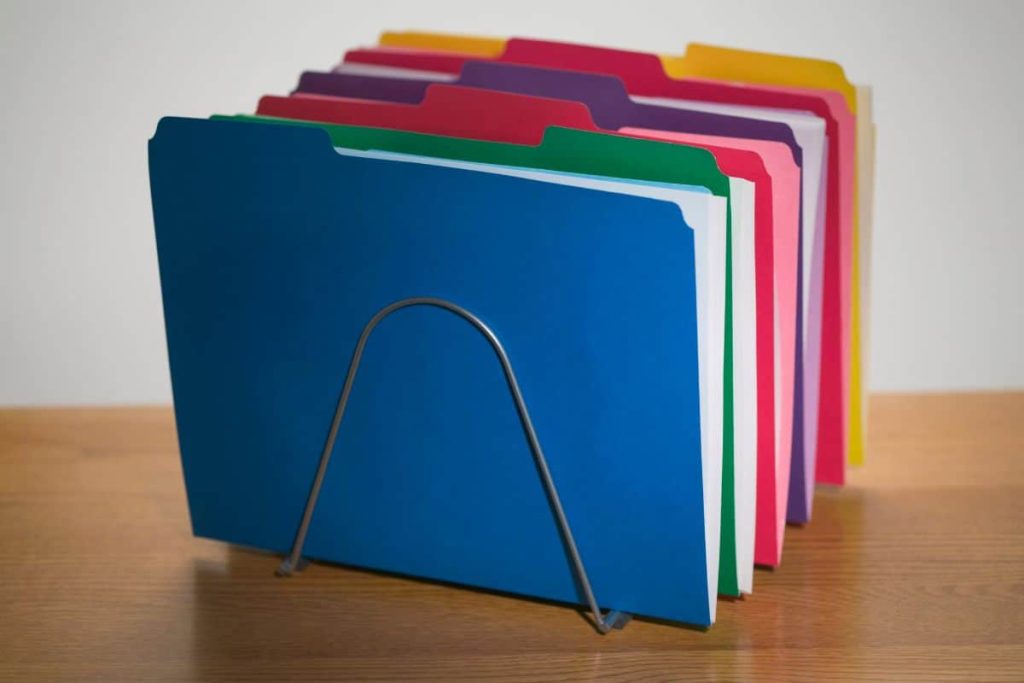
Daily Prep Made Easy: Use Day-of-the-Week Folders
One of my favorite tips for how to plan your day for students is organizing materials by day of the week. I use hanging file folders labeled Monday through Friday right next to my desk. Some teachers prefer bins or magazine holders—go with what works for you!
On Fridays, I:
- Copy what I’ll need for the week ahead.
- Fill the day-specific folders with handouts, read-alouds, and activities.
- Use a bright yellow folder labeled “Copy” for anything that still needs printing.
The goal? No more early morning scrambles. Just grab and go!
Create a System That Works (and Be Ready to Tweak It)
Even if you’re not naturally a Type A organizer, it’s worth developing a system that saves you time and stress. Right now, I’m dreaming of skill-based activity boxes so I can grab materials by concept. But let’s be real—some things are still just stuffed in cabinets waiting for their moment to shine.
Whether it’s digital folders, labeled bins, or color-coded everything, the best system is one you’ll actually use.
Plan for the Ebb and Flow of the Day
A well-crafted daily teaching plan isn’t just about covering content—it’s also about pacing. Build in moments to breathe. Students need time for independent work, and you need time to reset, observe, and just be present.
Aim for:
- A mix of whole group, small group, and independent time.
- 10-minute “pause” pockets to catch your breath.
- Time to observe and reflect (you’ll learn a lot just by watching).
Remember: you don’t need to be “on” 100% of the time to be a great teacher. In fact, teaching is often most powerful when you’re quietly noticing, supporting, and guiding.
Planning your teaching week doesn’t have to be overwhelming. Separate your planning and prepping, organize your materials by day, and build a schedule that includes time for breath and reflection. Your future self will thank you.
Have a favorite tip or system for creating a daily plan for teachers? I’d love to hear it—drop it in the comments!

Ebb and flow…it’s so true!
Being organized is a struggle sometimes, but it feels good to have a system in place. This weekend I went into my classroom and filed..although you can’t really tell from looking at the room, it IS more organized!
Thanks for sharing!
Alisha
First Grade Follies