
Teach Black History Month in Elementary School: Reading Passages, Biographies, and Classroom Activities
Black History Month is celebrated every February, but the resources below work year-round. This post brings together everything you need for a full elementary unit: a reading passage on how Black History Month was created, 18 biography-based resources for individual leaders, a look at lesser-known figures, art and music connections, and a section on the Children’s Crusade.
Whether you are planning a single lesson or a month-long unit, start with what fits your class right now.

What is the Origin of Black History Month?
Black History Month dates back to 1926, when historian Carter G. Woodson and the Association for the Study of Negro Life and History announced the second week of February as “Negro History Week.” They chose this week because it coincided with the birthdays of Abraham Lincoln and Frederick Douglass, two key figures in African American history.
Over the years, this event evolved, and in 1976, the entire month of February was officially designated as Black History Month in the United States. This month-long observance provides an opportunity to celebrate the rich cultural heritage and acknowledge the significant impact of African Americans in shaping the nation’s history.
Through various educational events, cultural exhibits, and community gatherings, Black History Month encourages exploration and appreciation of the roles and lasting contributions of African Americans across various fields and endeavors.
Here are a few Black History Month ideas for your classroom:
Learn about How Black History Month was Created
Engage students in the exploration of Black History Month through a non-fiction reading passage. Learn about the origins and significance of Black History Month, highlighting its creation, reasons for celebration, and contemporary observances.
This comprehensive resource offers a range of student activities to build comprehension, including vocabulary exercises, thought-provoking discussion cards, note-taking sheets, and interactive word-definition matching exercises.
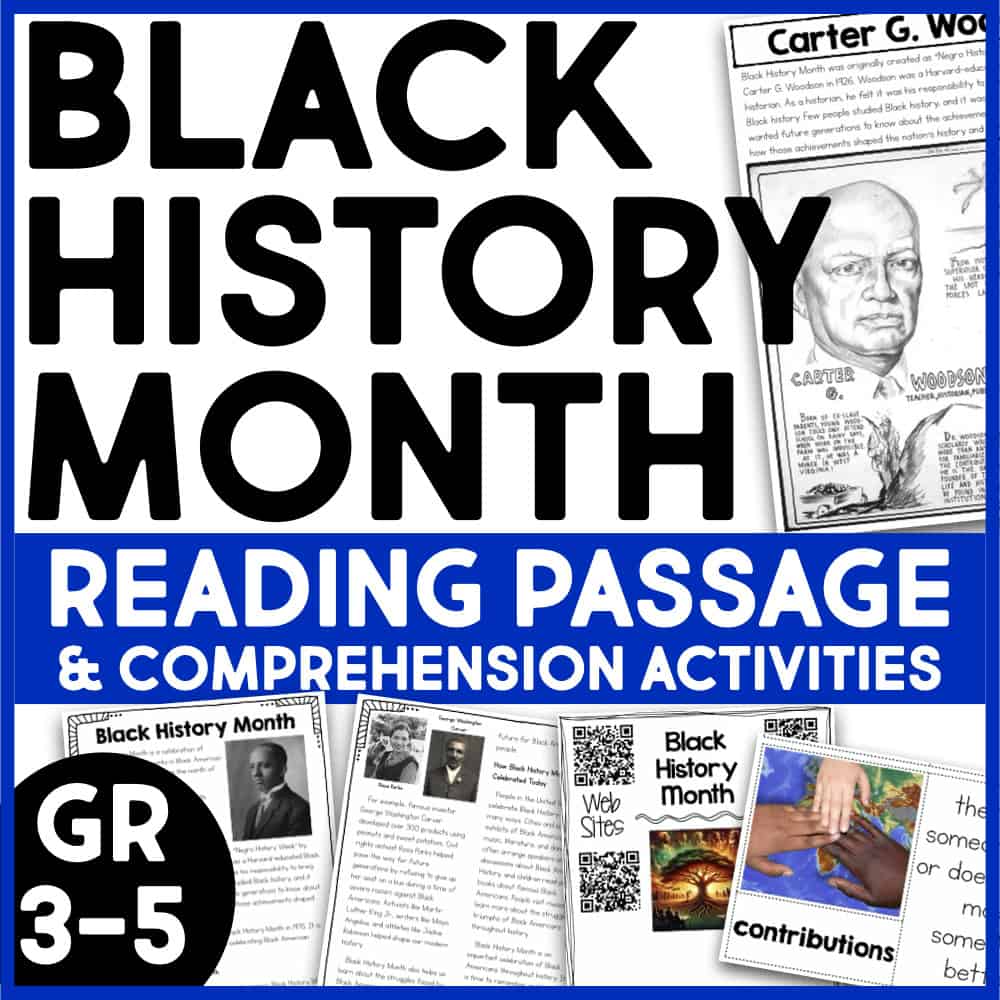
Black History Month Articles & Activities
This non-fiction unit explores the origins, significance, and modern-day celebrations of Black History Month while supporting critical thinking and literacy skills.
Read and Learn about Influential Black Leaders
Black History Month takes place every February. One of the most direct ways to honor Black leaders is to explore and reflect on their lives, accomplishments, and how they shaped history.
28 Days: Moments in Black History That Changed the World is a book that celebrates 28 remarkable moments in African American history. It focuses on heroic figures such as Harriet Tubman, Martin Luther King, Jr., and Rosa Parks, who have all made a significant impact on the course of American history. Through vivid photographs and engaging stories, this book encourages students to explore and appreciate the importance of Black History Month.
Since February is 28 days long, read one each day throughout the month. You’ll need to add one more biography during Leap Year, so check out some of the ones below!
Read biographies about Black American Heroes
Allow your students to explore and develop an understanding of notable Black Americans through biographies that include reading passages and QR Codes for further biography-based research. Also included are comprehension activities that practice sequencing events and organizing facts, as well as pages where students can produce their biographical reports.
Guide students in researching information on various noteworthy Black American figures or writing a comprehensive biography about these integral historical figures!

We have biographies for the following Black Americans:

While the above list of Black Americans is a solid starting point, students may want to research some lesser-known people who contributed to the progress and advancement of Black Americans.
Some suggestions for further research could include:
- Septima Poinsette Clark: Known as the “Queen Mother” of the Civil Rights movement, Clark was an educator and activist who played a central role in organizing citizenship schools to help African Americans register to vote.
- Roy Wilkins: A prominent leader in the American Civil Rights Movement, Wilkins served as executive director of the National Association for the Advancement of Colored People (NAACP) from 1955 to 1977. He was instrumental in the fight against segregation and racial injustice in the United States, playing a key role in historic events like the March on Washington and the passage of the Civil Rights Act of 1964.
- Nichelle Nichols: Nichelle Nichols was an American actress and singer best known for her groundbreaking role as Lieutenant Uhura in the original “Star Trek” television series. Her casting as one of the first Black female characters in a major television show to hold a position of authority was revolutionary in the 1960s, breaking racial stereotypes and providing a powerful role model for African-American viewers and women. Nichols’ contributions to both entertainment and civil rights were further underscored when she worked with NASA to recruit diverse astronauts, including women and ethnic minorities.
- Phyllis Wheatley: Captured as a young child in Africa, Wheatley mastered English within just 18 months of arriving in the US. Her remarkable journey can start a conversation about the unjust treatment endured by slaves. Despite the prohibition on teaching African individuals to read, Phyllis’ owner’s wife boldly defied the law and taught her how to read.
- The Tuskegee Airmen: The Tuskegee Airmen were a group of African-American military pilots who fought in World War II and were the first Black aviators in the United States Armed Forces. They trained at the Tuskegee Army Air Field in Alabama and earned an impressive combat record, challenging racial barriers and stereotypes. Their bravery and skills not only contributed significantly to the war effort but also paved the way for the integration of the U.S. military.
- Claudette Colvin: Colvin was a pioneering figure in the Civil Rights Movement, known for refusing to give up her seat to a white passenger on a segregated bus in Montgomery, Alabama, nine months before Rosa Parks’ more famous protest. As a teenager, her courageous act challenged the racial segregation laws of the time and played a significant role in the Montgomery Bus Boycott. Colvin’s stand against racial injustice at such a young age marked her as a significant, yet often unsung, hero of the movement.
Look at Picture Books about Black Americans for Black History Month
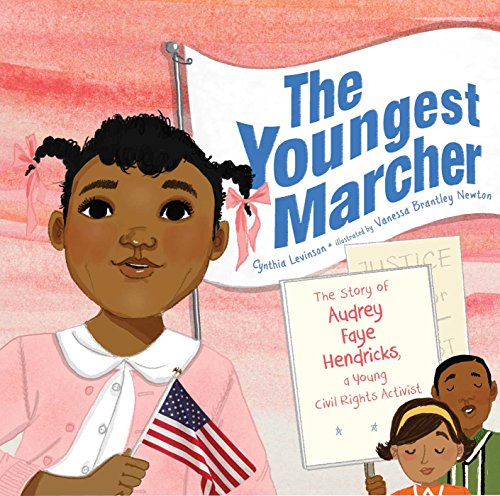
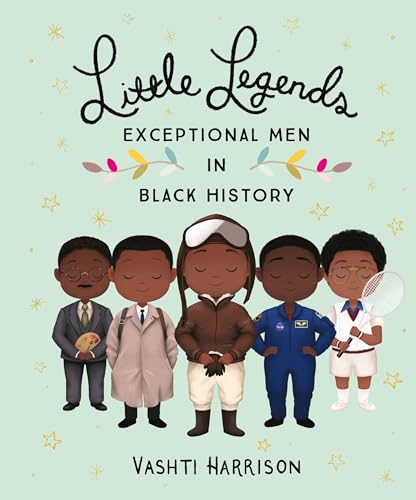
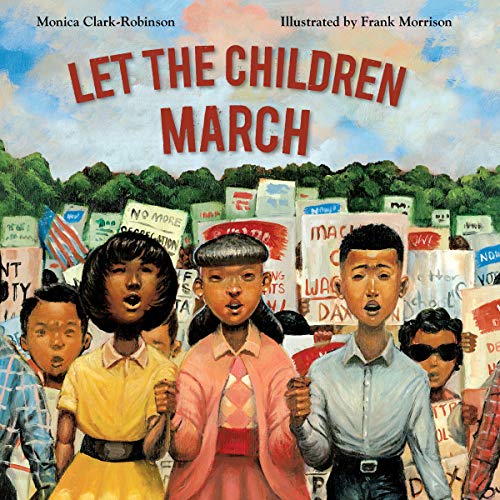
The following picture books are some of my favorite ones to read during February as we are learning about famous Black Americans, Civil Rights, and historical events:

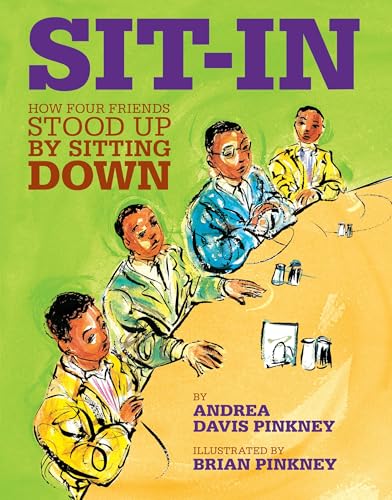

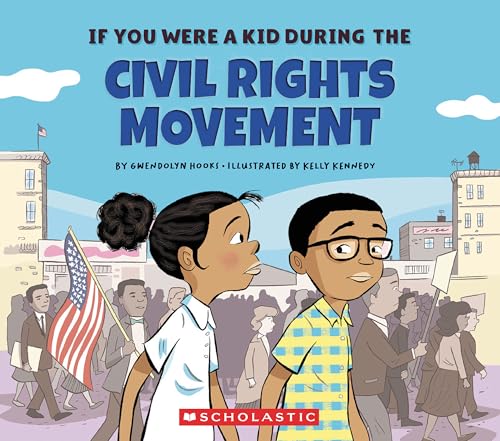
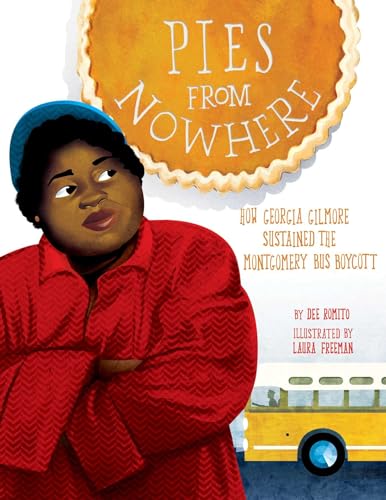
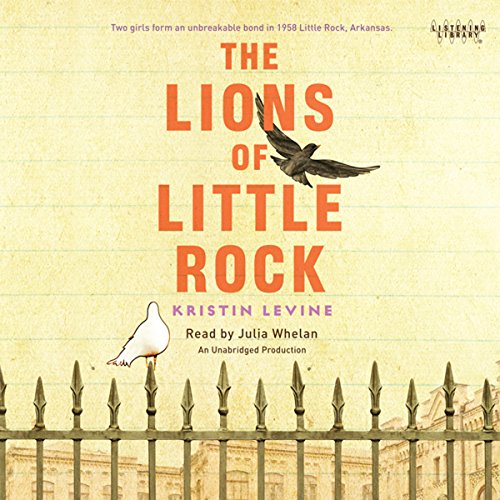

Access Another List of Books for Black History Month
I stumbled upon this Google Sheet filled with thought-provoking books to explore during Black History Month. The sheet is organized by period, making it easy to immerse yourself in a specific era. It also includes suggested grade levels, ensuring readers of all ages can benefit from this resource. Each book also includes a concise description you can use in your lesson plan.
Black American Influence on Art and Music
Consider incorporating art projects inspired by the following artists and introducing students to a diverse range of music from Black Americans. Students will learn about the contributions made by Black artists and musicians and gain a deeper understanding of the contributions made by Black artists and musicians throughout history
Some notable Black artists and musicians to include in some of your Black History Month Activities are:
- Jean-Michel Basquiat – A very influential artist known for his bold, colorful paintings that often include words and symbols.
- Louis Armstrong – A famous jazz musician known for his amazing trumpet playing and singing. He is often called the “Father of Jazz.”
- Faith Ringgold – An artist and activist known for her narrative quilts that tackle social issues.
- Aretha Franklin: Known as the “Queen of Soul,” she was a very talented singer who sang powerful songs, like “Respect,” which many people love.
- Jacob Lawrence: An important painter who created colorful, story-like pictures that showed scenes from African-American history and life.
- Marian Anderson: A classical singer with an incredible voice. She was one of the first African-American singers to become famous around the world.
- Ella Fitzgerald: A very famous jazz singer known for her beautiful voice and her ability to “scat sing,” which is like making up music with your voice.
- Alvin Ailey: A dancer and choreographer who started the Alvin Ailey American Dance Theater. His dances often told stories about African-American experiences.
- Stevie Wonder: A singer, songwriter, and musician who has been making music since he was a child. He plays the piano and harmonica and is known for his catchy and thoughtful songs.
These artists and musicians have contributed greatly to the world of music and art and are excellent subjects of study for young students.
Create an Anchor Chart As Your Class Learns About Each Person
As part of our biography unit, we create an anchor chart about the person, when they lived, and why they were important. The same anchor chart can be used during Black History Month. Students can reference who the person is and why they are important.

Create a Black History Month Timeline to Hang Around the Room
Celebrate Black history by creating a timeline. This is an important and meaningful way to honor and celebrate the achievements, struggles, and contributions of African Americans throughout history. A timeline or Black History Month bulletin board can provide context, perspective, and understanding of the significant events, people, and milestones that have shaped the Black community.
You can create timelines in several ways. A simple way would be to use sentence strips as the timeline, attaching printed pictures or paper labels.
Do a Biography Report of a Famous Black Person
Have students choose one of the influential Black leaders above and write a full biography report on the person. We have an in-depth biography report that elementary students can use to gather information about the person and write their report. It includes graphic organizers and templates that are perfect for most elementary classrooms.

Biography Report & Biography Project – Research and Writing Activities (Grades 2–5)
Make biography projects meaningful and engaging with this Biography Report & Research Project for grades 2–5! This flexible resource includes graphic organizers, genre posters, multiple report formats, lapbook templates, trifold reports, and construction paper people so students can research and present any historical figure.
Learn about the Children’s Crusade
Teaching students about the historical significance of the Children’s Crusade can empower them to recognize their potential as change-makers. By learning about this event, students can better understand the impact young individuals can have on shaping the course of history.
What is the Children’s Crusade?
On May 2, 1963, over 1,000 Black children took part in the peaceful protest against racial segregation in Birmingham, Alabama. This courageous act marked the beginning of the Children’s Crusade, a turning point that ignited a movement. It exposed the nation to shocking instances of police brutality, prompting major advances in the civil rights movement. Dr. Martin Luther King Jr. played a significant role in this historic event.
Black History Videos
Here are a few videos that will help your students explore Black History Month.

Black History Month offers a great opportunity to teach students about the important contributions and struggles of Black Americans throughout history. By adding interactive, engaging activities to lesson plans, educators can create a dynamic learning experience for elementary students. From exploring influential historical figures and events to celebrating diversity and the power of unity, there are countless ways to incorporate black history into the classroom.
Jessica BOschen
Jessica is a teacher, homeschool parent, and entrepreneur. She shares her passion for teaching and education on What I Have Learned. Jessica has 16 years of experience teaching elementary school and currently homeschools her two middle and high school boys. She enjoys scaffolding learning for students, focusing on helping our most challenging learners achieve success in all academic areas.