
60 New Year’s Resolution Ideas for Students: A Classroom Goal-Setting Activity
New year’s resolution ideas for students make a natural classroom activity for the first week back in January. When students set their own goals — academic, personal, and health-related — they practice the same self-reflection skills you’re building all year long. Below you’ll find 60 resolutions organized into three categories, along with tips for turning them into a meaningful classroom lesson.
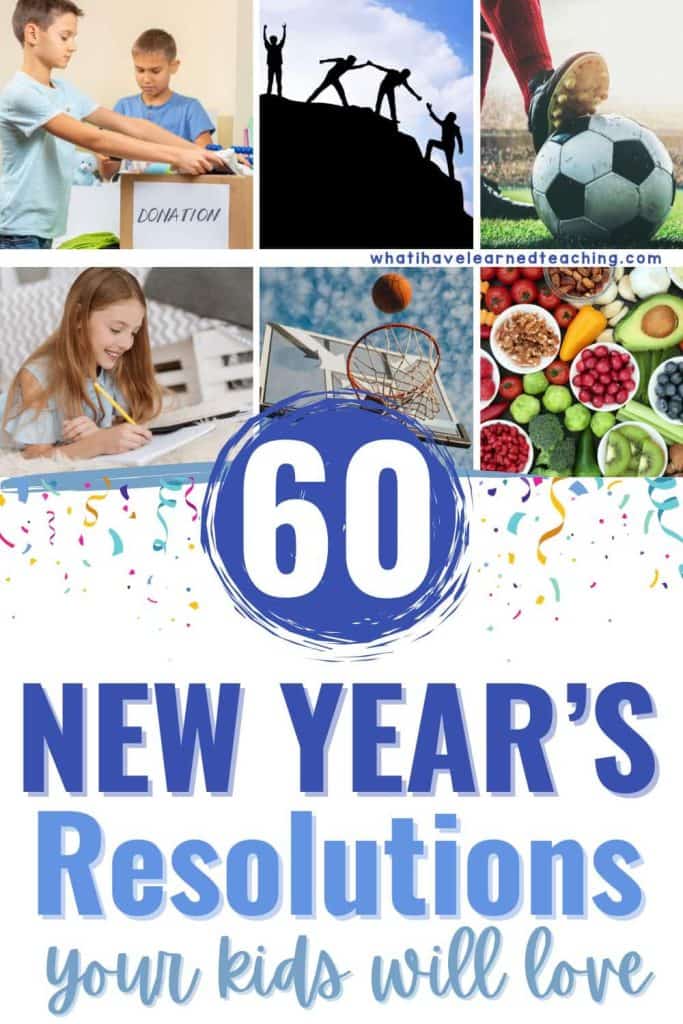
60 New Year’s Resolution Ideas for Students
Here are 60 resolutions organized into three categories: academic, health and fitness, and personal growth. These ideas are simple, achievable, and great starting points for kids to embrace self-improvement.
Academic Goals for Kids
- Read one book every week or month.
- Write in a journal once a week.
- Learn five new words each week.
- Improve spelling by practicing tricky words.
- Do homework right after school.
- Keep my desk or workspace organized.
- Ask for help when I don’t understand something.
- Listen carefully to the teacher every day.
- Try to get at least 90% on spelling tests.
- Write a story or poem each month.
- Learn all my multiplication facts by summer.
- Check my work before turning it in.
- Raise my hand at least once a day to answer a question.
- Make my handwriting neater.
- Do an extra credit project this year.
- Memorize a short poem or speech.
- Share my favorite book with a classmate.
- Practice public speaking by sharing a show-and-tell item.
- Participate in a school or library reading challenge.
Health and Fitness Goals for Kids
- Drink water instead of sugary drinks at lunch.
- Eat a fruit or vegetable with every meal.
- Play outside for 30 minutes daily.
- Try a new sport or activity, like soccer or yoga.
- Limit screen time to one hour on school days.
- Walk or bike to school when possible.
- Practice stretching or yoga weekly.
- Try to get 9-10 hours of sleep every night.
- Learn how to do 10 push-ups or sit-ups.
- Wash hands before eating and after playing.
- Pack a healthy snack for school.
- Do jumping jacks during commercial breaks.
- Try a new healthy food each month.
- Run a lap around the playground without stopping.
- Practice good posture at my desk.
- Brush my teeth twice a day for 2 minutes.
- Reduce candy or junk food to weekends only.
- Keep my room clean and help with chores for exercise.
- Learn to swim or improve swimming skills.
- Participate in a fun run or fitness challenge.
Personal Growth Goals for Kids
- Say one kind thing to a friend or family member daily.
- Help with a household chore every day.
- Donate a toy or book to charity.
- Keep my bedroom tidy every week.
- Try a new hobby, like drawing or gardening.
- Spend time with family without using devices.
- Save some of my allowance each week.
- Be kind to someone new at school.
- Recycle more and pick up litter at the park.
- Write thank-you notes for gifts or kind actions.
- Volunteer at least once this year (e.g., food drive).
- Make a new friend at school.
- Use manners like “please” and “thank you” daily.
- Visit a new place, like a museum or nature trail.
- Learn how to cook or bake something simple.
- Try not to interrupt when others are talking.
- Say “I’m sorry” when I make a mistake.
- Spend more time playing board games with family.
- Help feed or care for a pet daily.
- Smile at someone every day to spread kindness.
How to Use New Year’s Resolutions in Your Classroom
Turning new year’s resolution ideas into a classroom goal-setting activity doesn’t require a lot of time. Even 20–30 minutes at the start of January gives students a chance to reflect and set an intention for the semester. Here are some tips to make the process meaningful:
Here are some tips to help:
- Start Small: Encourage children to pick one or maybe two resolutions at a time. Overloading them with too many goals can feel overwhelming.
- Be Specific: Resolutions like “do better in school” are too broad. Help kids narrow it down to something concrete, like “practice math facts for 10 minutes daily.”
- Make Goals Measurable: Goals that can be tracked (e.g., “read one book each month”) give kids a sense of accomplishment when completed.
- Write Them Down: Having a visual reminder of their resolutions helps kids stay on track.
- Celebrate Progress: Acknowledge milestones along the way to keep kids motivated.
- Be a Role Model: Share your own resolutions and talk about how you plan to achieve them. Kids learn a lot from seeing adults work toward goals.
- Be Flexible: If a resolution isn’t working, help them adjust it rather than abandon it altogether.
Setting New Year’s resolutions can be a wonderful opportunity for children to learn responsibility, persistence, and self-reflection. With your support, they can achieve their goals and build confidence for the future.
Once students have chosen their resolutions, a simple follow-up activity helps make the goals stick. Having students write their top resolution, explain why it matters to them, and identify one action step turns the list into a real goal-setting lesson. My New Year Goal Setting Flap Book is a quick craftivity that walks students through exactly that process — and makes a great January bulletin board display.
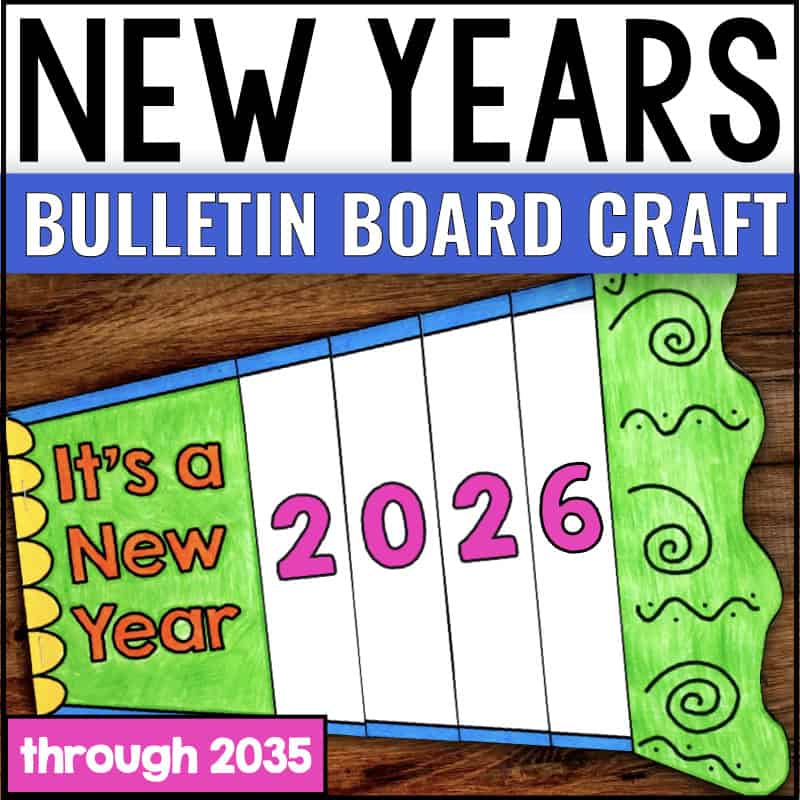
New Year Flap Book Craft – Bulletin Board January Display
Ring in the New Year by having students reflect on their best moment in the previous year and set personal and academic goals for the current year. A great bulletin board craft for the first week back at school after the holiday break!
Jessica BOschen
Jessica is a teacher, homeschool parent, and entrepreneur. She shares her passion for teaching and education on What I Have Learned. Jessica has 16 years of experience teaching elementary school and currently homeschools her two middle and high school boys. She enjoys scaffolding learning for students, focusing on helping our most challenging learners achieve success in all academic areas.