
Name games for kids are one of the simplest, most effective tools a teacher can use during the first days of school. When students walk in not knowing a single classmate, a well-chosen name game helps them feel seen, gets them talking, and starts building a classroom community before the morning is over.

This list of classroom name games is designed for elementary teachers seeking low-prep, engaging activities for the back-to-school season. Whether you’re looking for first-day icebreakers, kindergarten name games, or quick get-to-know-you activities for the first week, you’ll find options here that fit your class and your schedule. While you are planning that first week, it is also a good time to prep for back to school night, since both events are about helping everyone feel comfortable quickly.
Movement-Based Name Games for Kids
These name games get students out of their seats and moving, making them a great choice for the first day of school or anytime kids have extra energy to burn.
- Name Toss: Students sit in a circle and toss a ball, saying their name as they throw. Have the class repeat the students’ names to memorize them.
- Pass the Name: Pass a beanbag while naming the person you’re passing to.
- Name Wave: Students do a wave around the classroom saying their name when it’s their turn.
- Name Snowball Fight: Students write their name and one interesting thing on a piece of paper, crumple it, and have a gentle snowball fight.
- Name Balloon Pop: Pop balloons with names inside and find the person with that name.
- Spider Web: With a ball of yarn have students say their name and something about themselves then pass the ball of yarn to someone across from them, holding onto a section of the yarn. At the end, the class has created a spider web. Discuss how all of the individuals in the class are connected.
- Chain of Names – Challenge the class to arrange themselves (or use name cards) in an order where when the beginning and ending letters of a name are the same. Do this as table groups and see which group can make the longest chain.
Musical & Video-Based Name Games
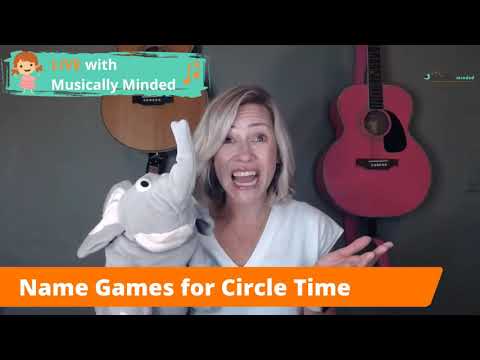
Here are a few musical name game ideas from YouTube that are easy to use during the first days of school.


Name Memory Games and Repetition Activities
These games focus on listening, recalling names, and repeating patterns, making them ideal for circle time, morning meetings, or small-group settings.
- Name Chain: Each student adds their name and a favorite thing starting with the same letter. Add a category to the favorite thing, like a food, game, or activity. Have students repeat and remember the previous students’ names.
- Name Rhythm: Create a beat or rhythm for each name.
- Name Memory Game: Students repeat all the names said before them in a sequence.
- Name and Gesture: Each student chooses a gesture to go with their name.
- Syllable Action: This game practices an important phonics skill along with learning students’ names. This is a great game for middle-grade students who can already syllabicate their names and can memorize actions along with a student’s name. In this game, students pair an action with each syllable of their name. The rest of the class repeats the syllables and actions.
Icebreaker Name Games
Icebreaker name games help students feel more comfortable sharing about themselves while learning classmates’ names, especially during the first day or first week of school. For a wider variety of team-building options beyond names, check out this list of icebreaker games for elementary students.
- Two Truths and a Name: Each student introduces themselves by sharing two true statements and one fictional statement about themselves, including their name. The class then guesses which statement is false.
- Alliteration Introduction: Students introduce themselves using an alliterative phrase (e.g., “Jumping John”).
- Guess Who I Am: Each student writes their name on a piece of paper and tucks it into a hat. They then take turns drawing a name and giving clues about that person, while others guess.
- Guess Who: A student wears a blindfold and has to guess the name of another student based on that student’s voice and details about themselves.
- Name Interview: Pair up and interview each other, then introduce your partner.
- How I Got My Name: This activity will take a little bit of preparation but is a great way to develop a home-school connection and learn about students’ families. As a homework assignment, have students ask their parents how they got their name. Then, have students report back to the class their name’s story.
Since this one doubles as a home-school connection, it pairs nicely with these tips for writing the perfect first letter home if you’re planning your own family communication for the year. And if you’re rethinking how much homework to send this early on, here’s why I keep homework simple and what I actually send home.
Name Games with Writing and Literacy
These activities combine name practice with writing and literacy skills, giving students a chance to learn names while reinforcing reading, spelling, and sentence-building.
- Name Haiku: Write a haiku poem using their names.
- Name Acrostic: Students create acrostic poems using their names, where each letter represents a word or phrase that describes them.
- Name Story: Create a class story. Each student adds to the story using the next student’s name.
- Secret Name Code – Provide students with a letter and number code arrangement, for instance, A=1, B=2, etc. Have students write down their names in the code, then play the snowball game above and have students solve the code.
- Alphabetical Introductions: Students introduce themselves to each other and get into alphabetical order.
Visual and Display-Based Name Games
Visual name games give students repeated exposure to names through displays and hands-on activities, helping reinforce name recognition throughout the first weeks of school.
- Picture with Names: Provide students with pictures of themselves and ask them to write their names on the pictures. Display the pictures around the classroom as a visual reminder of everyone’s names.
- Name Map: Create a map with where students’ families are from or places students visited over the summer. Alternatively, create a map of places students want to visit. Label the map with students’ names.
- Name Graph: Create a graph on chart paper and have the class graph the letters in students’ names. Turn this into a math activity by asking and answering questions about the graph, like which letters are used the most or least.
- Letter Sorting: With a partner have students sort the letters of their names into a Venn diagram comparing which letters are the same or different. Increase the complexity by doing this with three students or four students.
Name Game Puzzles and Challenges
These name games add problem-solving and critical thinking to the process, keeping students engaged while practicing name recognition in a fun, low-pressure way.
- Name Jumble: Unscramble jumbled letters of names.
- Name Crossword: Create a crossword puzzle with names.
- Name Word Search: Likewise, create a word search with students’ names.
- Name Puzzle: Create jigsaw puzzles of each student’s name for others to solve. Use sentence strips and include a picture of the student. This is a great activity for kindergarten and first-grade classrooms.
Name Games with Bingo Variations
Bingo-style name games encourage students to interact with many classmates and repeatedly see names, making them great for review after the first few days of school.
- Name Bingo: Create Bingo cards with each square containing a different student’s name. Students mark off the squares as they find classmates whose names match the squares.
- Name Bingo with Characteristics: Alternatively, provide students with their own blank Bingo card with the sentence frame: _ likes _. or something similar. Have students go around the class and fill out their Bingo cards in random order. Then play Bingo, highlighting the characteristics of each student. The first person to fill in a column or row wins!
Name Game Scavenger Hunts and Search Activities
These games turn name learning into an active search, encouraging movement, collaboration, and repeated name practice around the classroom.
- Name Tag Hunt: Each student finds the person whose name tag they have.
- Name Treasure Hunt: Find items that start with the same letter as each name. This can be an active scavenger hunt or a picture treasure hunt.
Creative and Unique Name Games
Creative name games let students express themselves through movement, art, or performance while still focusing on learning names and building connections.
- Animal Name Game: Associate each name with an animal. Take it a step further and have participants act out the animal while other students guess the animal and the student’s name.
- Name Sign Language: Learn how to sign each other’s names.
These name games are just a starting point. Get creative and adapt them to fit your specific classroom needs and objectives. By incorporating these interactive getting acquainted activities into the first day of school, you can create a welcoming environment where students get to know one another.

Why Name Games Matter in the Classroom
Name games have proven to be an effective strategy for building a sense of community and fostering an inclusive environment in the classroom. One particular type of name game that encourages collaboration is collaborative name memory games. These games not only help students learn each other’s names but also promote teamwork, cooperation, and empathy.
In a collaborative name-memory game, students work together in pairs or small groups to remember names and faces. They engage in activities that require active listening and observation, such as sharing personal anecdotes or describing their classmates’ unique characteristics based on their names.
This type of name game creates a positive classroom climate by making every student feel valued and connected. Kids love learning each other’s names. It encourages empathy as students support and encourage each other in the process of learning names.
Playing collaborative name memory games enhances the overall learning experience. These activities stimulate cognitive skills such as memory, attention to detail, and active listening. Students become more engaged in the learning process as they actively participate and interact with their peers.
By incorporating collaborative name memory games into the classroom, teachers not only facilitate name learning but also create an environment where students feel comfortable and motivated to learn.
Adapting Name Games for Different Elementary Grades
Name games work best when they match students’ developmental levels. With a few small adjustments, the same activity can work well across different elementary grades while still keeping students engaged and successful.
Adjusting Complexity by Grade Level
For younger students, simple name games with clear routines and repetition work best. Games that involve saying names aloud, adding a motion, or passing an object help build confidence and early name recognition.
As students move into upper elementary, name games can include more challenge, such as memory components, categories, or light problem-solving. These added layers keep older students interested while still reinforcing name learning and peer connections.
Using Visual and Auditory Supports
Visual supports such as name tags, photos, desk labels, and classroom displays help reinforce name recognition throughout the day. Auditory elements—such as clapping, rhythms, or call-and-response—also support memory and keep students actively engaged.
Pairing names with visuals, sounds, or movements gives students multiple ways to remember one another, making name learning faster and more natural during the first days and weeks of school.
The first days of school set the tone for the entire year, and name games make that process easier and more welcoming for everyone. With just one or two well-chosen activities, teachers can help students feel comfortable, learn names quickly, and start building a positive classroom community from day one.
Whether you’re planning for the first day of school or looking for quick get-to-know-you activities during the first week, these classroom name games offer simple, low-prep ways to bring students together. Choose a few that fit your class, jump in, and let the connections begin.
Jessica BOschen
Jessica is a teacher, homeschool parent, and entrepreneur. She shares her passion for teaching and education on What I Have Learned. Jessica has 16 years of experience teaching elementary school and currently homeschools her two middle and high school boys. She enjoys scaffolding learning for students, focusing on helping our most challenging learners achieve success in all academic areas.