The Matthew Effect in Reading – Important Things to Know
What is the Matthew Effect in reading, and how can teachers apply this reading research to the classroom? The Matthew Effect is a concept that references a Bible verse that…

Jessica shares her passion for teaching and education on What I Have Learned. Jessica has 16 years of elementary teaching experience and currently homeschools her two middle school boys. She enjoys scaffolding learning for students, focusing on helping our most challenging learners achieve success in all academic areas.
What is the Matthew Effect in reading, and how can teachers apply this reading research to the classroom? The Matthew Effect is a concept that references a Bible verse that…
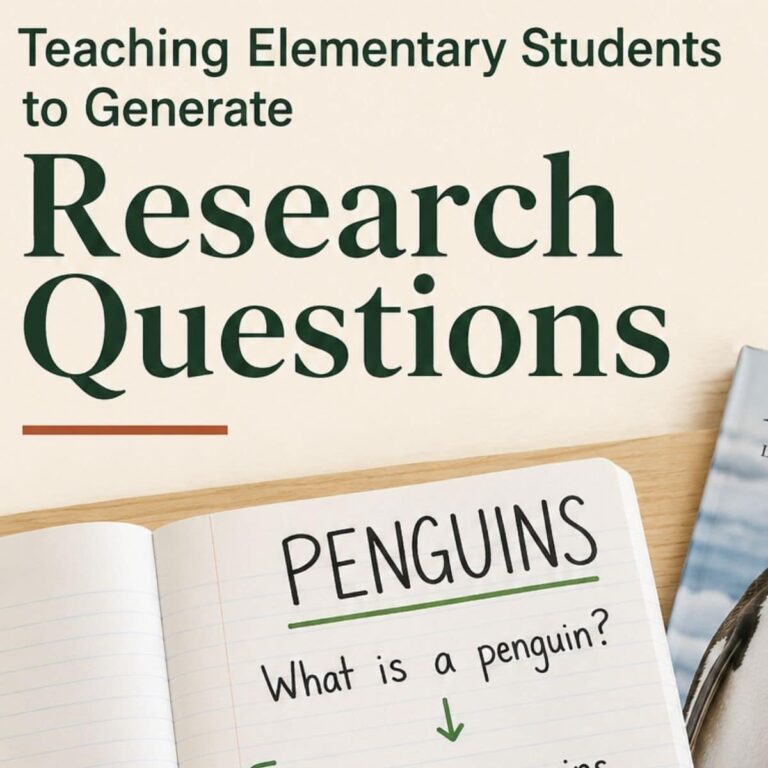
When students sit down to research a topic for the first time, most of them ask the same kind of question: “What is a penguin?” They find a one-sentence answer,…
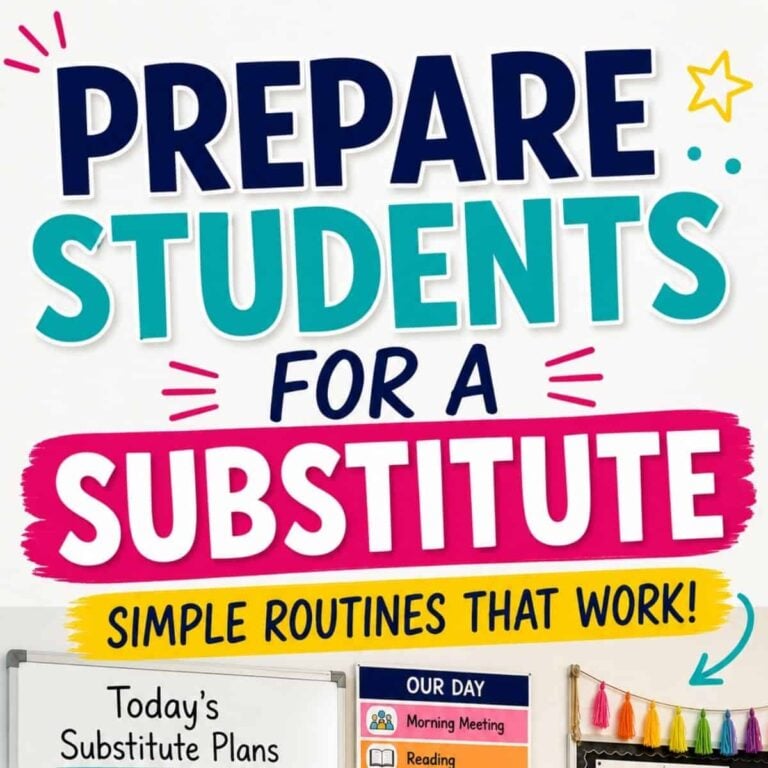
Preparing your students for a substitute teacher is one of the best investments you can make at the start of the year. Elementary students thrive on consistency, and when the…

Teaching students about reversible and irreversible changes is an important part of elementary physical science. Students begin to understand that some changes to materials can be undone, while others create…
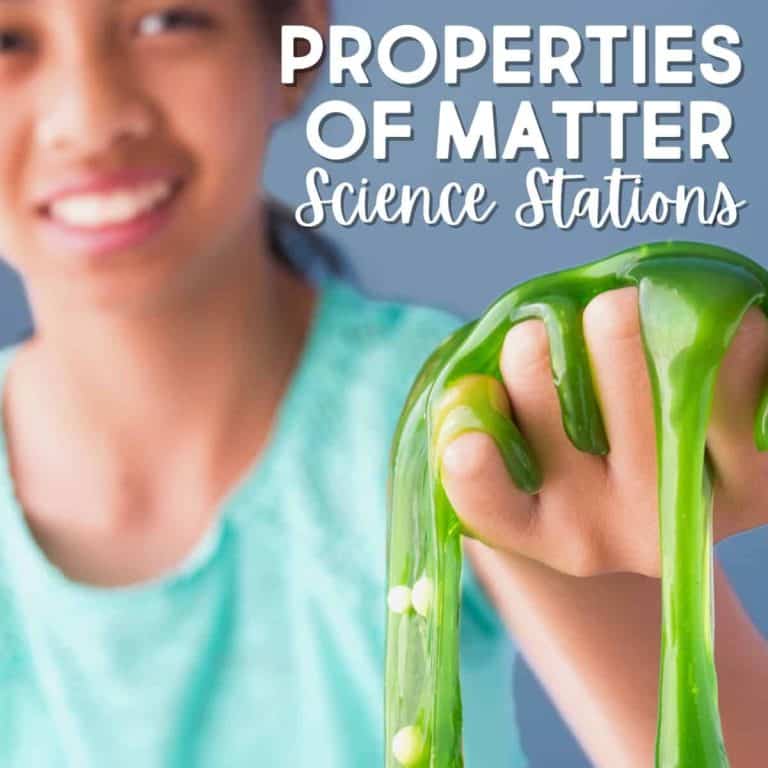
Teaching properties of matter can feel abstract for students until they get their hands on it. When students test, observe, and question what they’re seeing, the concepts start to click…
How does the use of natural resources affect the environment? What steps can people take to protect themselves against natural disasters? In this post, you will find fun and engaging…

Did you know that giving thanks can actually make students happier? A Thanksgiving thankful flapbook writing activity is a meaningful way to help 2nd and 3rd grade students reflect on…
As a child, I was utterly fascinated by earthquakes and volcanoes. Never mind that I lived nowhere near a faultline or plate boundary and would likely never experience these phenomena…
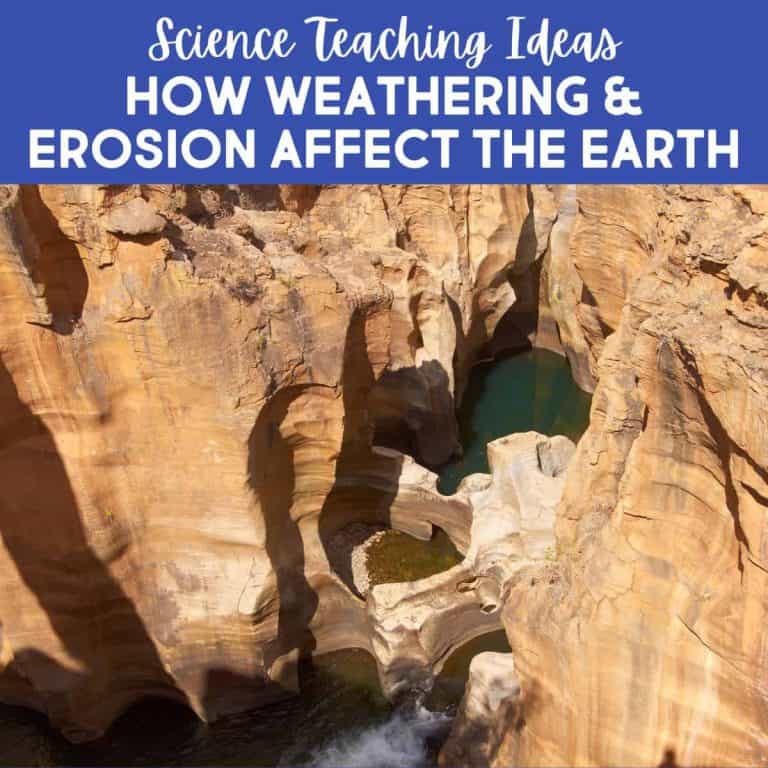
Can your 4th Grade students explain the effects water, ice, wind, and vegetation have on landscapes? Do they understand how the locations of mountain ranges or ocean trenches show patterns…
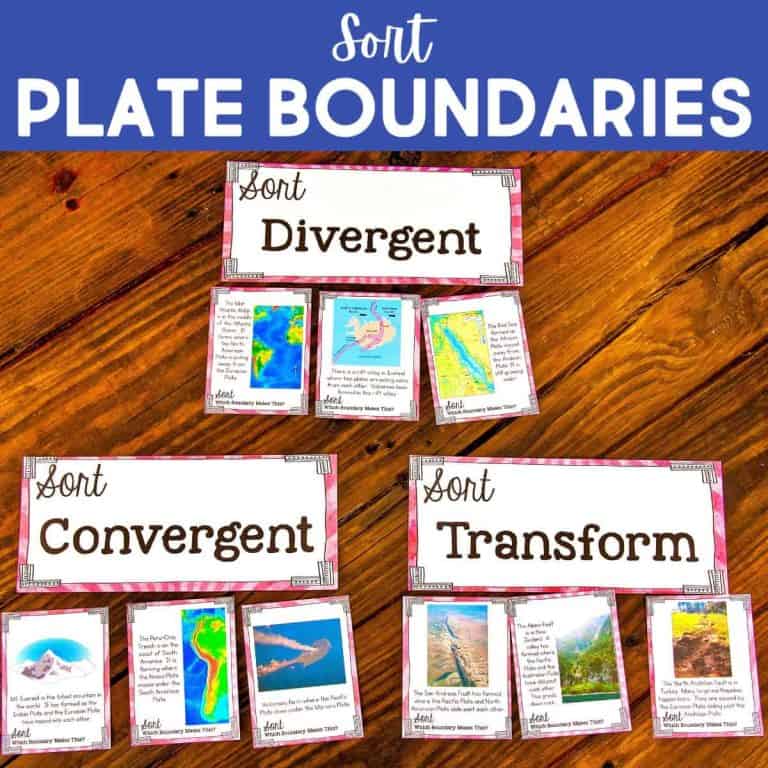
Teach students about plate tectonics and how the plates interact with one another with a Plate Boundaries Sort that is aligned with the Next Generation Science Stations for Fourth Grade….

This 5E Unit Plan for Energy in Motion is a science resource fourth grade teachers can use to plan and implement inquiry-based science instruction about Energy in Motion. The 5E lesson…

Once students can state an opinion and give reasons, the next challenge is helping them bring their writing to a clear close with an effective conclusion statement. How can we…
End of content
End of content