6 Great Ways to Differentiate Instruction in Math with Centers
If you are familiar with education, schools, or teachers, you have probably heard of stations, centers, or rotations. No matter what you call them, breaking up a large group of…

Jessica shares her passion for teaching and education on What I Have Learned. Jessica has 16 years of elementary teaching experience and currently homeschools her two middle school boys. She enjoys scaffolding learning for students, focusing on helping our most challenging learners achieve success in all academic areas.
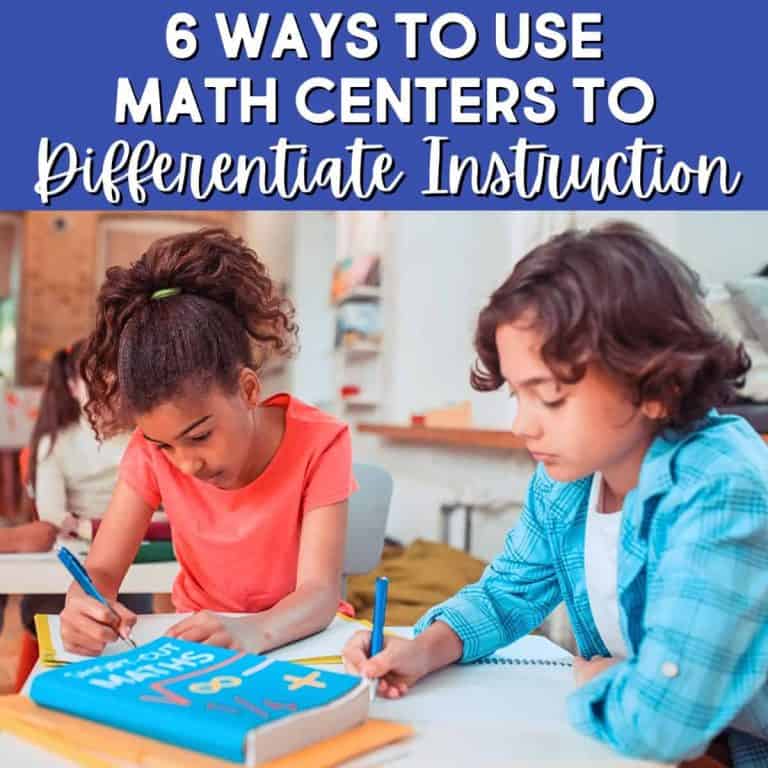
If you are familiar with education, schools, or teachers, you have probably heard of stations, centers, or rotations. No matter what you call them, breaking up a large group of…
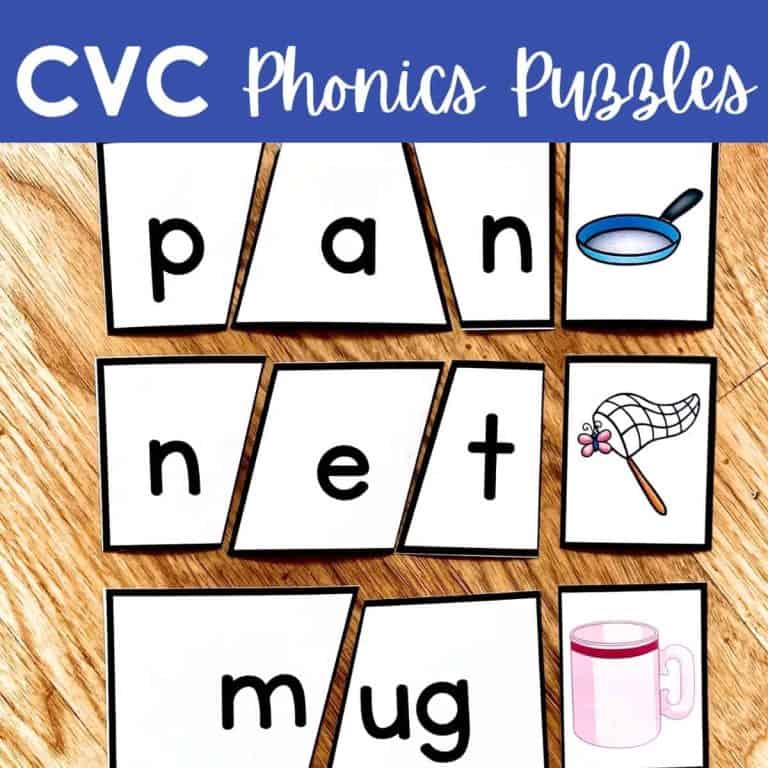
Do you need more word work centers in your kindergarten literacy stations? These CVC Phonics Puzzles are a great tool to use during your reading center or as an independent…
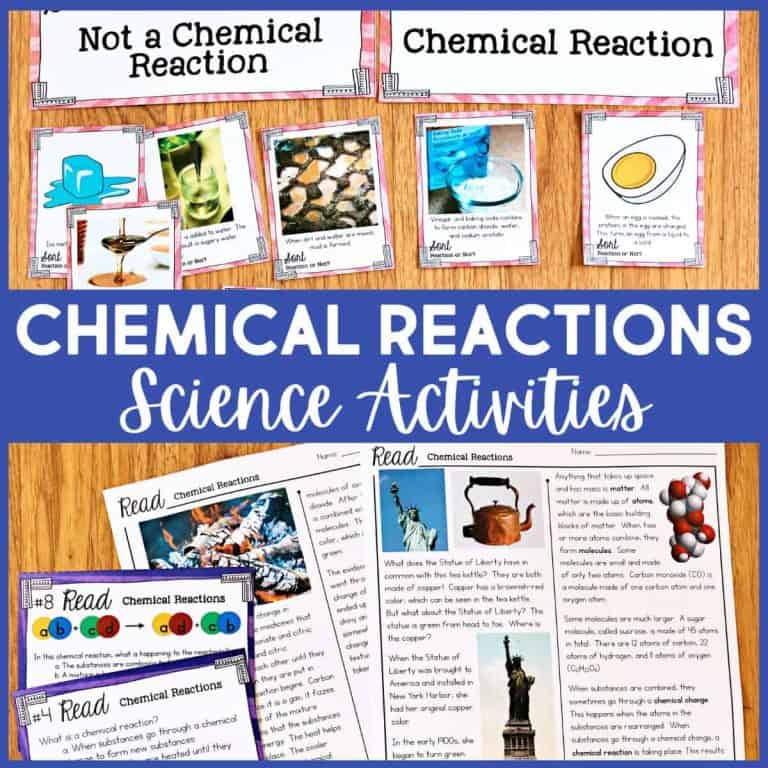
Teaching fifth-grade science classes according to the NGSS standards requires extensive preparation. You work hard, but is there something in the standards you overlooked? How can you be sure? More…
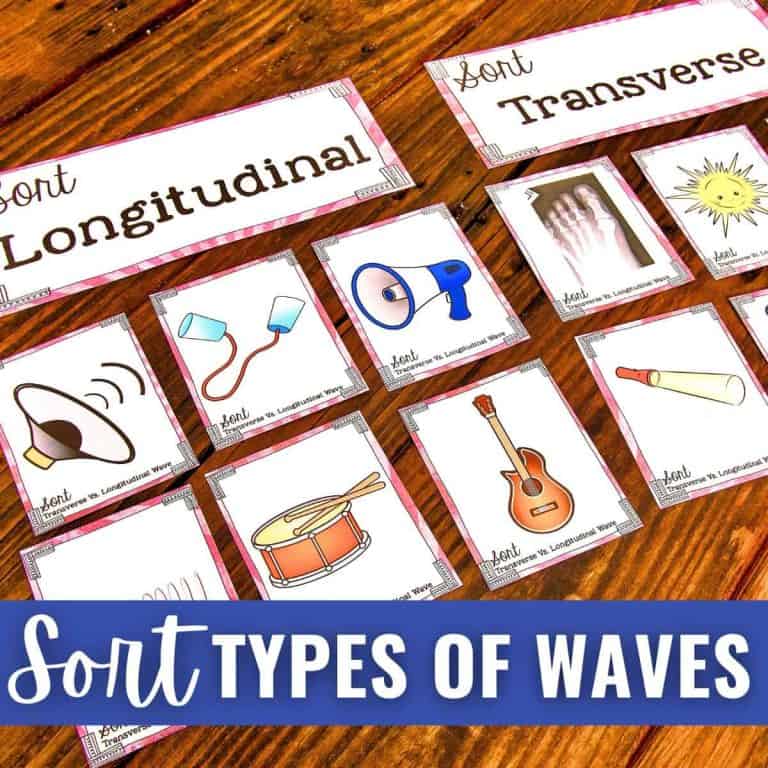
A types of waves sort gives 4th graders a hands-on way to learn the difference between transverse and longitudinal waves — one of the more abstract concepts in the 4th…
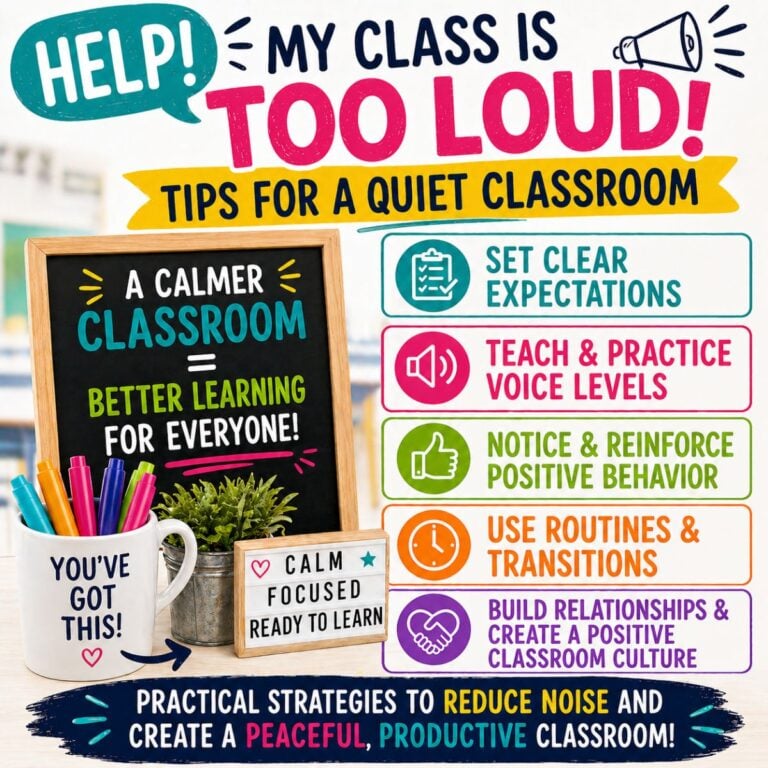
Do you find yourself struggling with the noise level in your classroom? Have you received feedback from other teachers or your principal expressing concerns about the noise? Creating a calm,…
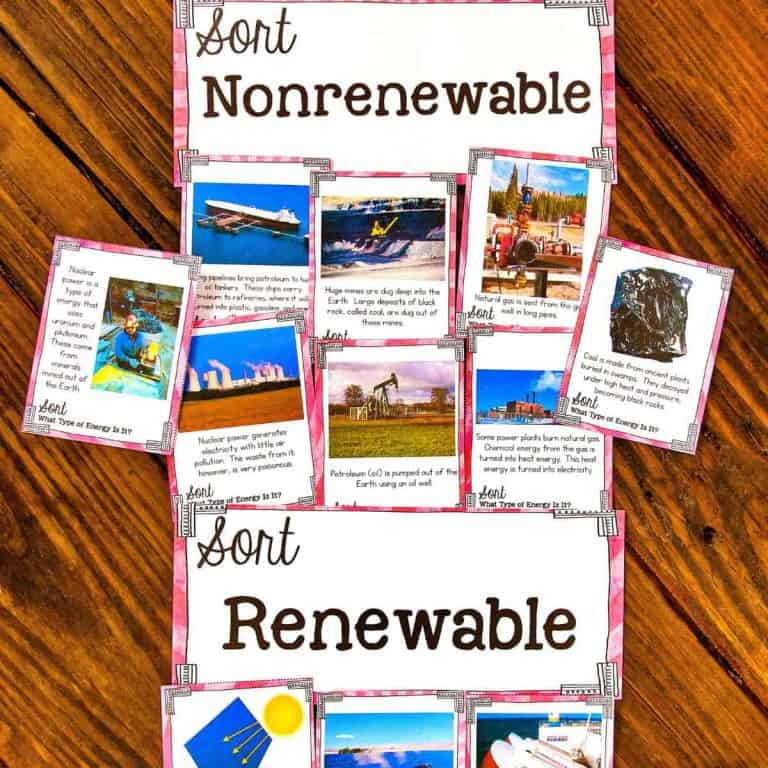
Teach students about different types of energy with a Renewable and Nonrenewable Resources SORT aligned with the Next Generation Science Stations for Fourth Grade. In this station, the sort cards…

What’s better than a room full of chocolate bunnies and cream-filled eggs? Well, nothing really, but Easter science experiments come close! We’ve curated 15 activities to help you celebrate Easter…
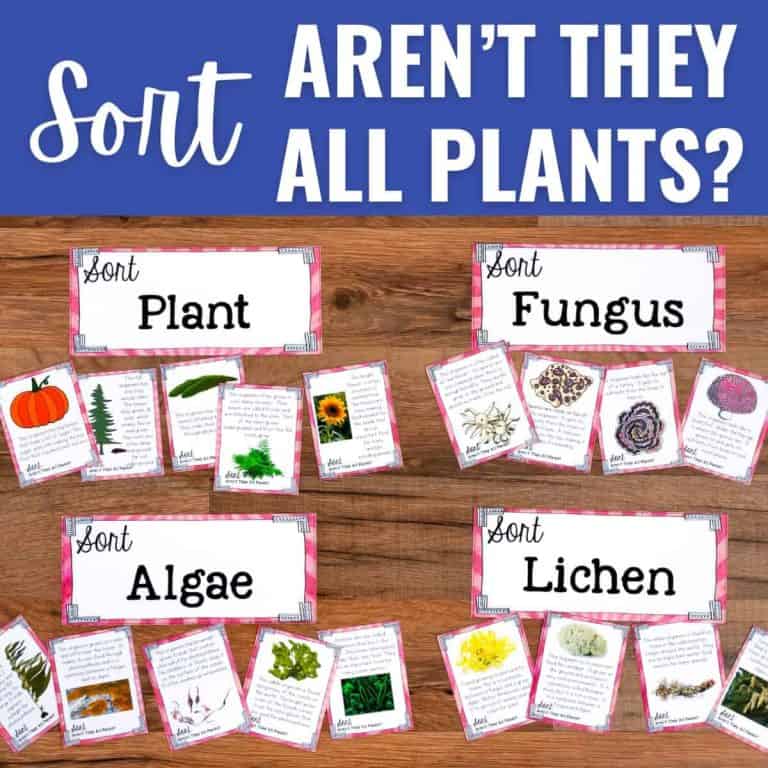
Teach students about fungus, lichen, algae, and plants with a SORT about identifying Plants and Organisms aligned with the Next Generation Science Stations for Fourth Grade. In this station, students…
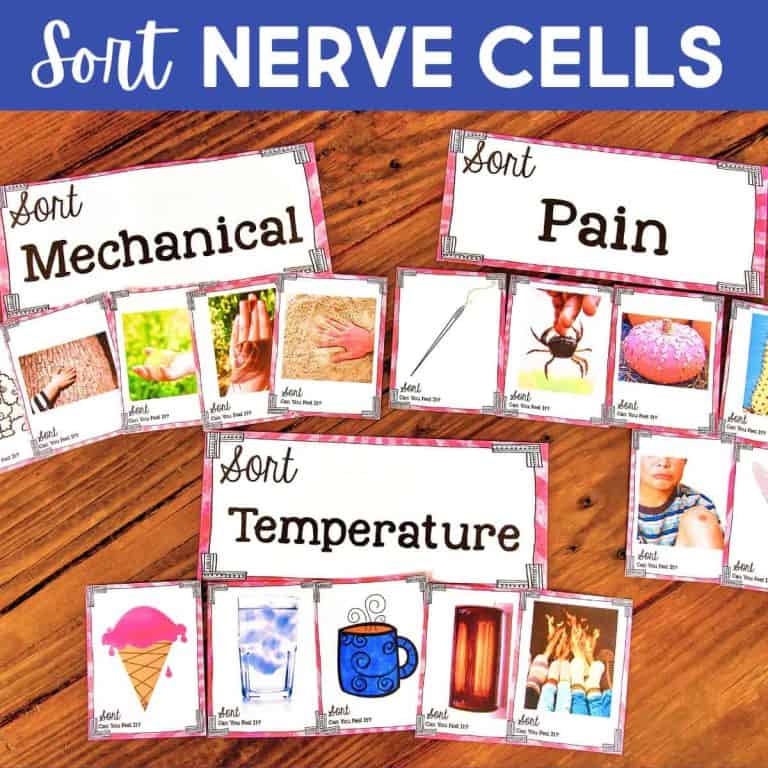
Students can explore how their bodies interpret the world around them by exploring the nervous system and nerve cells. Specifically, by examining nerve cells related to mechanical senses, pain, temperature,…
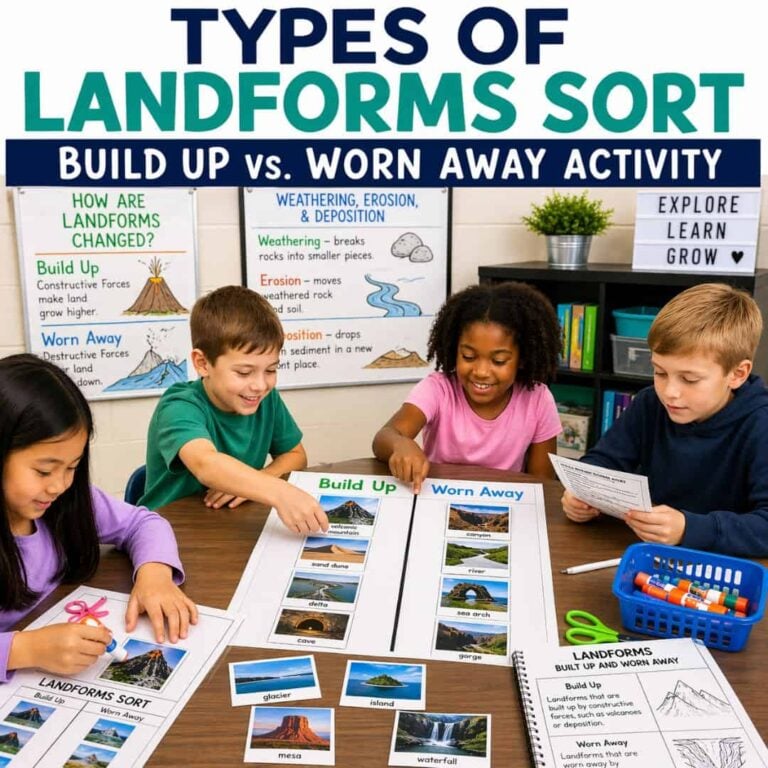
Teaching second graders about weathering and erosion can feel abstract — until students are physically holding cards showing the Grand Canyon, Mount Everest, and a river delta, deciding for themselves…
Time. We all have the same amount, right? So how can you use the time you have in your classroom most effectively? Realistically it’s easy to lose ten to fifteen…
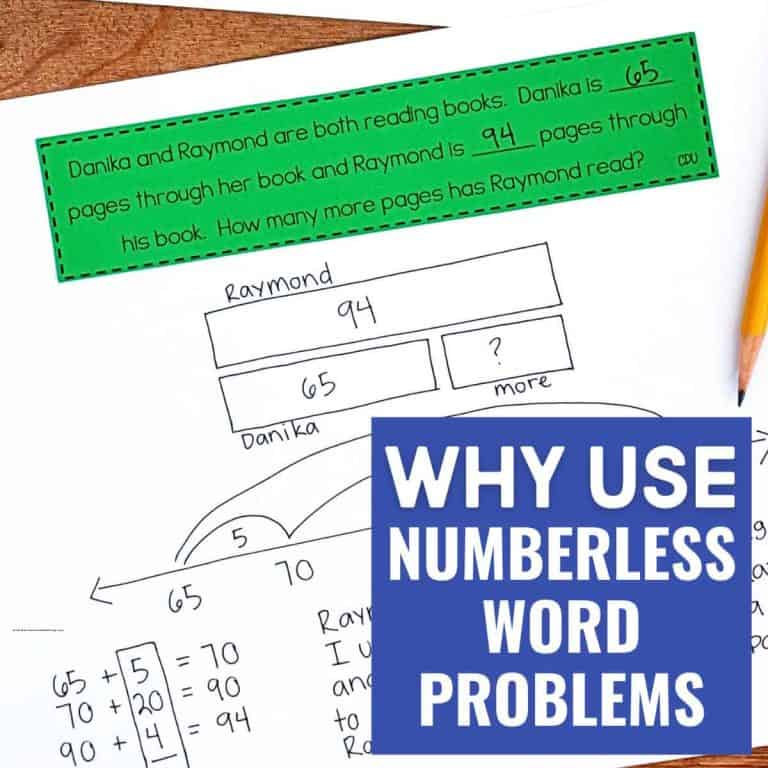
Teaching word problems can feel frustrating—for both you and your students. Students often jump straight to the numbers, guess an operation, and hope for the best. The result? Confusion, errors,…
End of content
End of content