Plants and Animals Long Gone Third Grade Science Stations
$15.01The focus is on NGSS 3-LS4.A and includes concepts such as fossils, the history of Earth, comparing the mammoth and elephants, paleontologists, and physical traits of dinosaurs.

Showing 46–60 of 225 resultsSorted by popularity
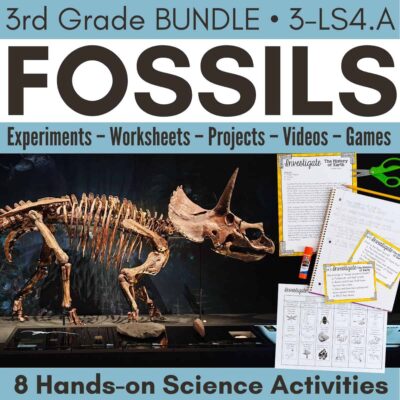
The focus is on NGSS 3-LS4.A and includes concepts such as fossils, the history of Earth, comparing the mammoth and elephants, paleontologists, and physical traits of dinosaurs.
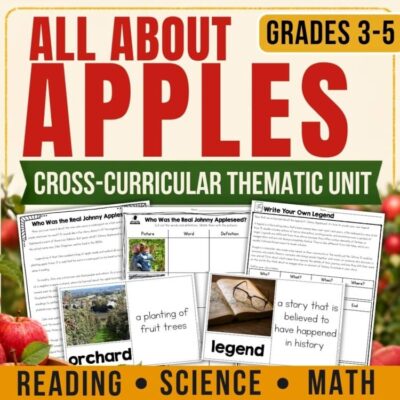
This apple thematic unit combines nonfiction reading, science, vocabulary, math, social studies, and writing for grades 3 to 5. Students read six informational texts, run hands-on experiments, and solve differentiated math word problems.
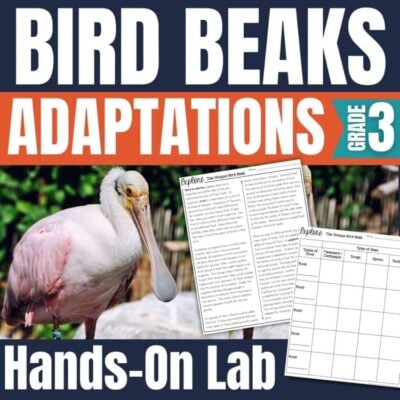
This bird beak lab engages 3rd grade students in learning about natural selection, adaptations, and bird beak structures. Students explore how different beaks are adapted to different foods.

This Caribou Informational Article and Comprehension Activities includes an article about caribou in two formats (two-page color photos & one-page text), website resources for online articles and videos about caribou, a fact sort sheet where students can sort facts about caribou, a variety of note-taking sheets, comprehension activities, and mini-report pages.

This Emperor Penguin Informational Article and Comprehension Activities resource includes an article in two formats, website resources for online articles and videos, a fact sort sheet, a variety of note-taking sheets, comprehension activities, and mini-report pages.
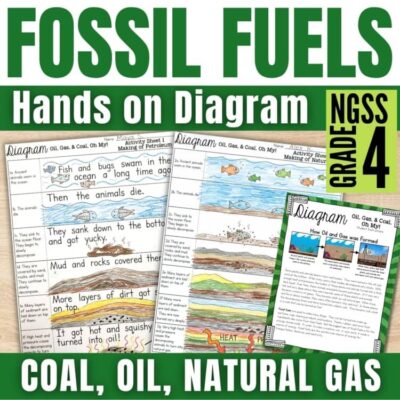
This fossil fuels activity helps 4th grade students visualize how petroleum, natural gas, and coal form through a step-by-step diagramming activity. It is a science station aligned to NGSS 4-ESS3.A.
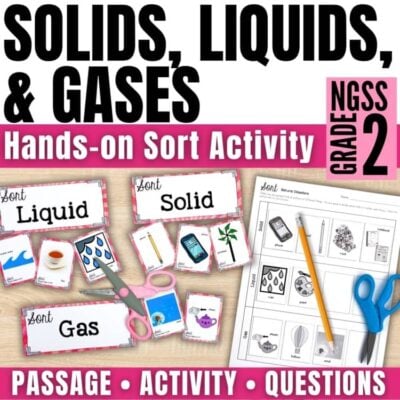
A no-prep cut and paste sort where 2nd grade students classify everyday objects as solids, liquids, or gases. Use it to introduce, practice, or review the states of matter in science centers, notebooks, or whole group lessons.
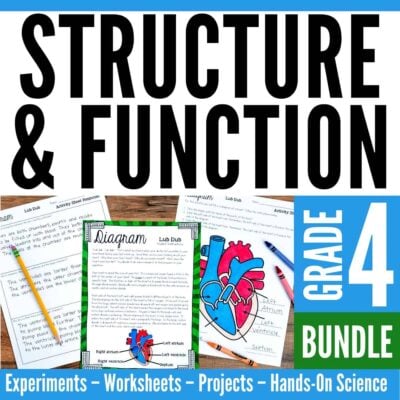
Structure & Function: How Organisms Live, Behave, Reproduce, Grow Science Stations for Fourth Grade Next Generation Science Standards include 8 different science stations where students deepen their understanding of internal and external structures and functions of plants and animals that support survival, growth, behavior, and reproduction.

Coral Reef Animals: Informational Article, QR Code Research Page & Fact Sort is a set of 10 informational articles all about Coral Reef Animals. These articles are full of interesting facts and details that students can use during reading and writing activities.
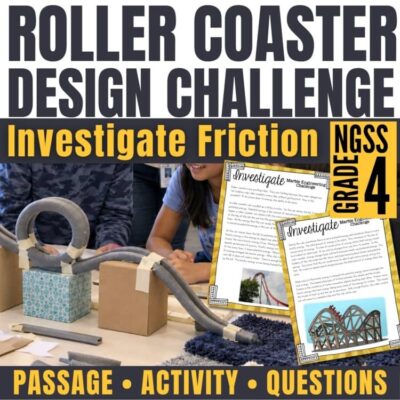
This roller coaster energy project is a high-engagement 4th grade physical science investigation on potential energy, kinetic energy, and energy transfer. Students design a working roller coaster and explain how energy changes along the track.
These inheritance of traits warm ups are short daily prompts for 3rd grade, aligned to NGSS 3-LS3-1. Students explore how traits are inherited and why variation matters for survival.
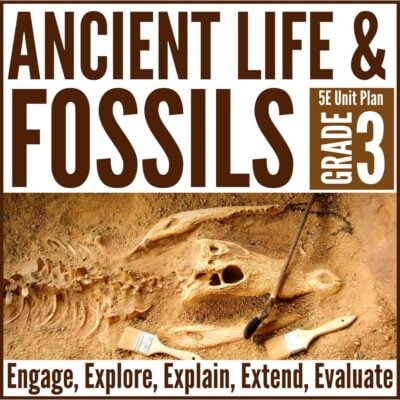
This Ancient Life 5E Science Unit Plan is an inquiry-based unit that focuses on investigating fossils of plants and animals. Throughout the unit, students analyze and interpret data from fossils to provide evidence of the organisms and the environments in which they lived long ago. Students explore types of fossils, paleontologists, and fossil excavation.
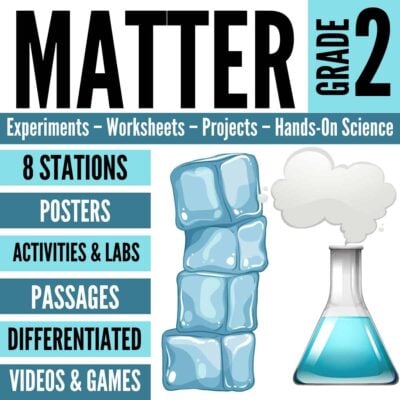
Teach second grade students about the structure and properties of matter with 8 engaging NGSS-aligned science stations. Students explore solids, liquids, gases, observable properties, changes in states of matter, classifying materials, modeling with small pieces, and choosing materials for a purpose.
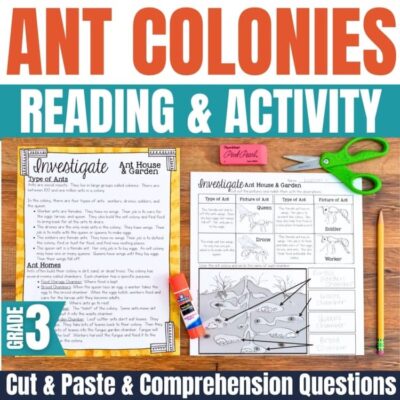
This ant colony activity helps 3rd grade students explore colony structure, types of ants, and how ants work together to survive. It is an NGSS 3-LS2.D station on social interactions and group behavior.
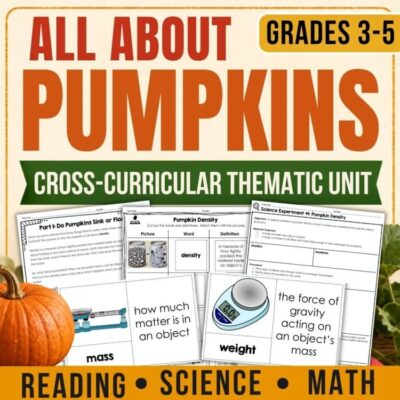
These pumpkin life cycle activities combine nonfiction reading with hands-on science, math, social studies, vocabulary, and graphing for grades 3 to 5. Five informational articles help students build content knowledge while they practice key reading skills.