Showing 16–30 of 61 resultsSorted by popularity
-
Rated 4.75 out of 5
$3.01
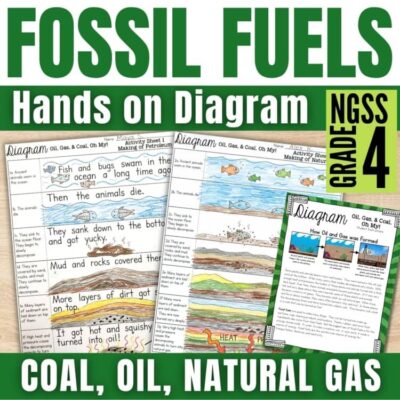
This fossil fuels activity helps 4th grade students visualize how petroleum, natural gas, and coal form through a step-by-step diagramming activity. It is a science station aligned to NGSS 4-ESS3.A.
-

Rated 5.00 out of 5
$4.60
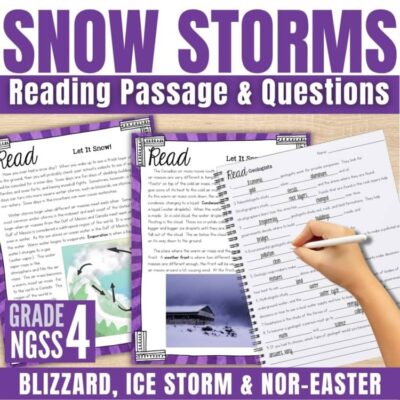
This snow storms reading passage gives 4th grade students a high-interest way to learn about severe winter weather. The nonfiction text explains how blizzards, ice storms, nor’easters, and avalanches form and how communities prepare for them.
-
Rated 4.89 out of 5
$3.20
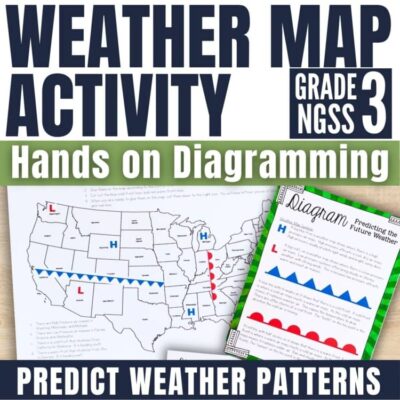
This weather maps activity helps 3rd grade students read and interpret weather data. It is a diagram science station aligned to NGSS 3-ESS2-2 that connects weather maps to the patterns students see in the world around them.
-
Rated 4.94 out of 5
$18.78
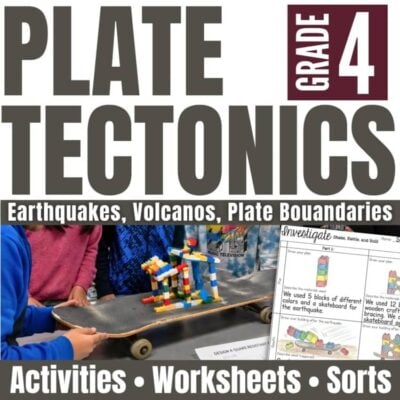
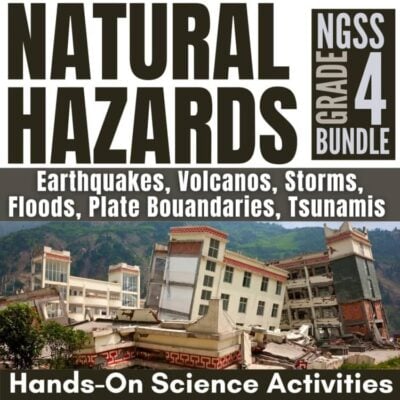
Volcanoes, Earthquakes and Mountains. Why do they occur? How does plate tectonics explain the cause of volcanoes, earthquakes and other large-scale geologic interactions and land formations.
-
Rated 4.90 out of 5
$11.74
-
Rated 5.00 out of 5
$4.55
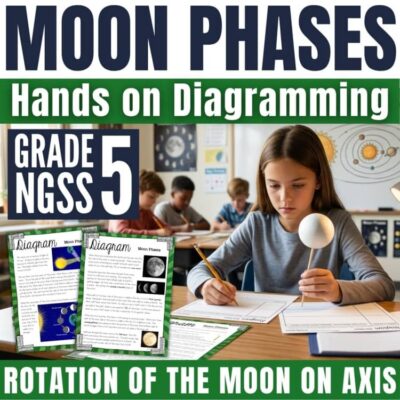
This moon phases diagram activity is a 5th grade science station aligned to NGSS 5-ESS1-2. Students use reading, hands-on modeling, and diagramming to understand how the moon’s phases change based on its position relative to the Earth and Sun.
-
Rated 4.84 out of 5
$15.53
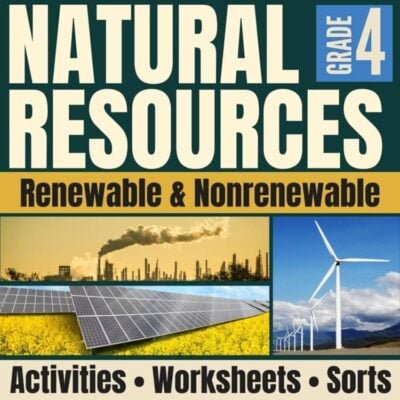
These Natural Resources Fourth Grade Next Generation Science Standards include 8 different science stations where students deepen their understanding of renewable and nonrenewable energy.
-
Rated 4.80 out of 5
$3.19
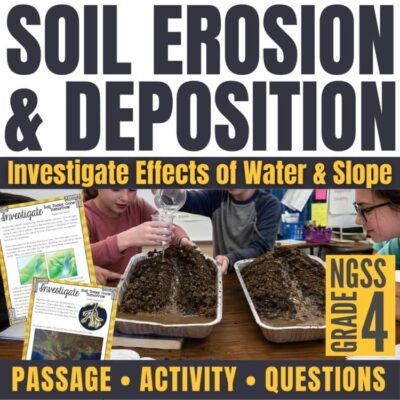
This soil erosion and deposition lab gives 4th grade students a hands-on way to investigate how water and slope affect the movement of soil. The science station is aligned to NGSS 4-ESS2-1 and builds skills in scientific inquiry, data collection, and drawing evidence-based conclusions.
-
Rated 4.72 out of 5
$4.15
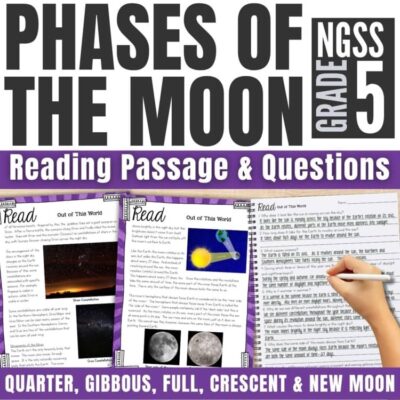
This moon phases reading passage helps 5th grade students understand Earth’s rotation and revolution, moon phases, day and night, and seasons. It is an NGSS-aligned resource that builds reading comprehension alongside Earth and space science.
-
Rated 4.78 out of 5
$3.96
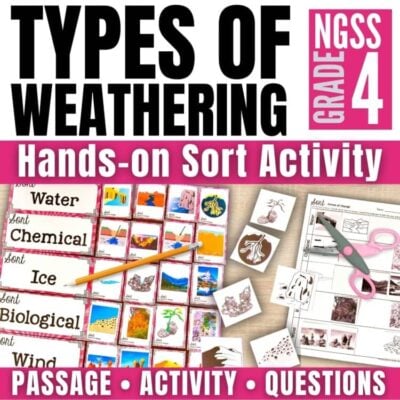
This weathering and erosion sort helps 4th grade students understand how water, wind, ice, and living organisms shape Earth’s surface. Students read a passage and then sort real-world examples by type of weathering or erosion.
-
Rated 4.93 out of 5
$21.36
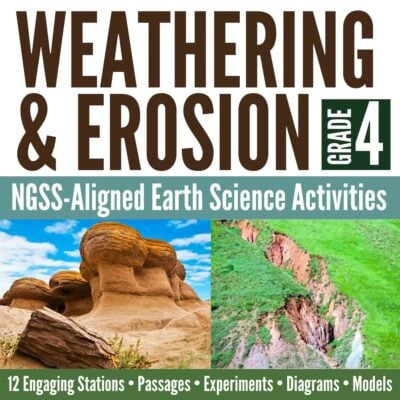
Weathering & Earth Materials & Systems, Biogeology Fourth Grade Next Generation Science Standards include 12 different science stations where students deepen their understanding of how weathering and erosion change the Earth’s surface.
-
Rated 4.90 out of 5
$3.56
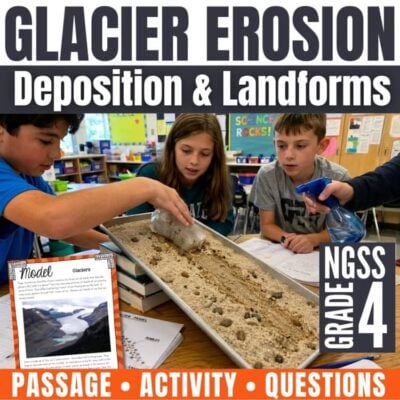
This glacier erosion activity is a hands-on weathering and erosion science station for 4th grade, aligned to NGSS 4-ESS2-1 and 4-ESS2-2. Students explore glacial erosion, deposition, and landforms through reading, modeling, and observation.
-
Rated 4.89 out of 5
$9.74
Teach weather with this complete 3rd Grade 5E Weather Science Unit! Students explore weather patterns, weather tools, the water cycle, weather vs. climate, and weather data through inquiry-based lessons, hands-on experiments, charts, vocabulary cards, Big Idea posters, exit tickets, and assessments. Aligned to NGSS 3-ESS2-1.
-
Rated 4.97 out of 5
$6.67
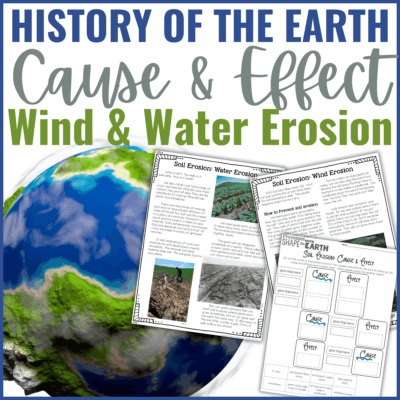
Processes that Shape the Earth is an Earth’s Systems Unit that addresses the second grade Next Generation Science Standards. This product is one section of the whole unit: ESS2.A: Wind and Water Change the Land (Cause & Effect)
-
Rated 4.88 out of 5
$100.95
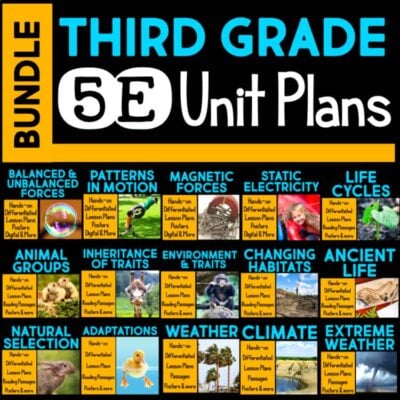
This is a BUNDLE of all the 5E Unit Plans for Third Grade. The 5E Instructional Model walks students through the five components of inquiry-based learning. Each unit includes multiple lessons for each of the 5Es and provides a structure for your science instruction.