Showing 31–45 of 61 resultsSorted by popularity
-
Rated 4.89 out of 5
$3.13
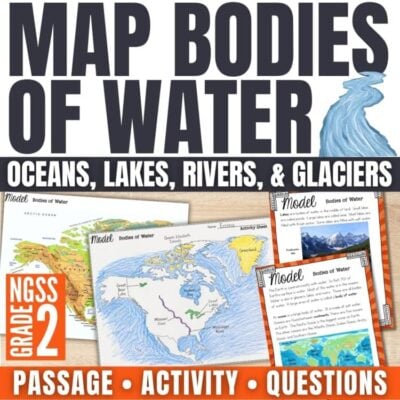
This bodies of water activity helps 2nd grade students learn about oceans, lakes, rivers, and glaciers while building map skills. Students read about each water feature, then locate and label them on a North America map.
-

Rated 5.00 out of 5
$3.89
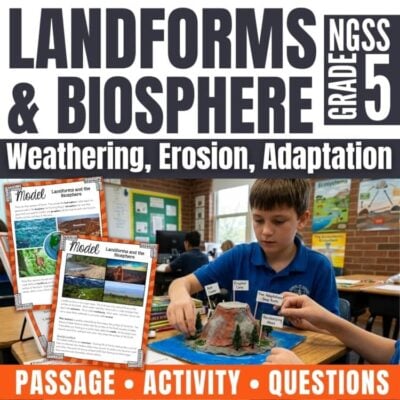
This geosphere and biosphere activity is a 5th grade modeling station about how landforms and living things interact. It supports NGSS 5-ESS2-1 as students explore how mountains, plateaus, hills, and plains form, how they affect climate, and how organisms adapt to different environments.
-
Rated 5.00 out of 5
$3.26
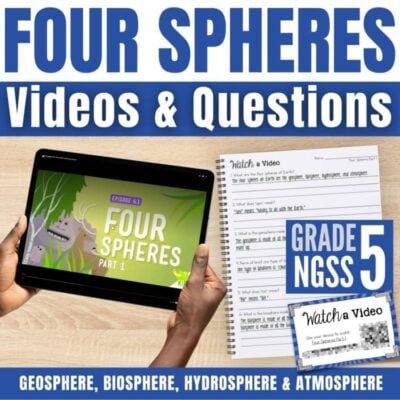
These Earth’s spheres video questions turn a video into an active science station. Students watch two short videos on the geosphere, hydrosphere, biosphere, and atmosphere and respond with questions in their choice of formats.
-
Rated 5.00 out of 5
$3.13
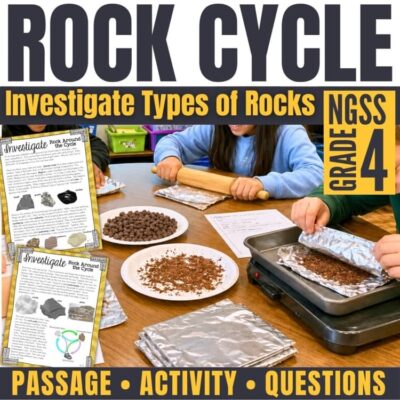
This rock cycle activity helps 4th grade students explore igneous, sedimentary, and metamorphic rocks through reading, diagram analysis, and a hands-on investigation. Students create edible rocks with chocolate chips to model weathering, heat, pressure, and cooling.
-
Rated 4.89 out of 5
$3.18
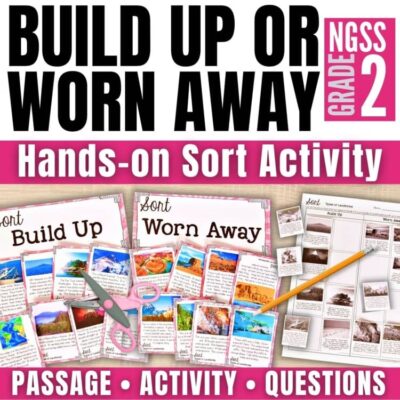
This landforms sort activity helps 2nd grade students understand how Earth’s surface changes. Students read about landforms, plate tectonics, weathering, and erosion, then sort real-world examples into those built up and those worn away.
-
Rated 4.95 out of 5
$19.95
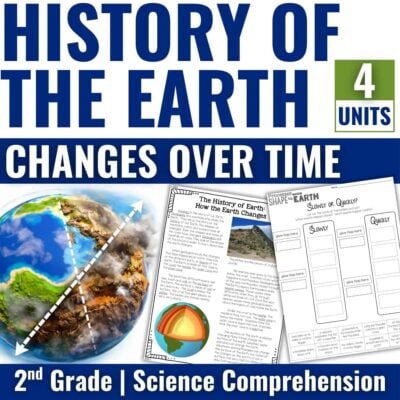
An Earth Science / Earth’s Systems Unit that addresses the second grade Next Generation Science Standards. It focuses on processes that change the Earth’s surface and includes four units.
-
Rated 4.67 out of 5
$5.20
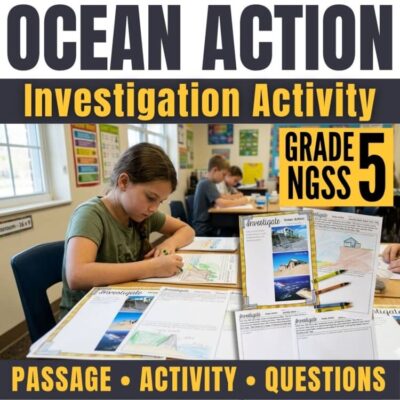
This coastal erosion activity helps 5th grade students investigate how the ocean shapes the land and how Earth’s spheres interact. It is an NGSS-aligned science station that combines reading, critical thinking, and engineering design.
-
Rated 4.67 out of 5
$3.59
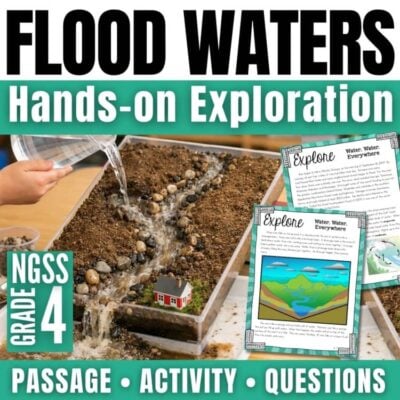
This flooding science station helps 4th grade students understand natural disasters through reading, hands-on investigation, and critical thinking. It combines a flood reading passage, comprehension questions, and an interactive STEM lab.
-
Rated 5.00 out of 5
$12.08
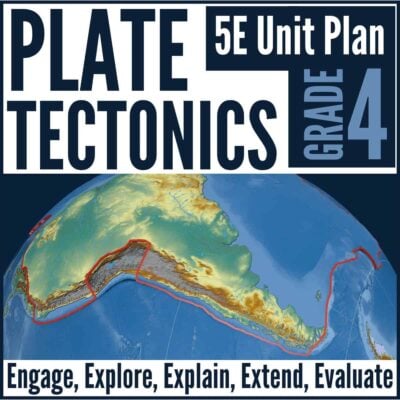
Teach plate tectonics with this inquiry-based 5E Science Unit Plan! Students investigate how tectonic plates affect Earth’s features, why tectonic features are found in predictable places on maps, and what processes cause plate movement. Includes teacher notes, misconceptions, vocabulary cards, Big Idea posters, exit tickets, timelines, and Engage, Explore, Explain, Extend, and Evaluate lesson activities.
-
Rated 5.00 out of 5
$3.50
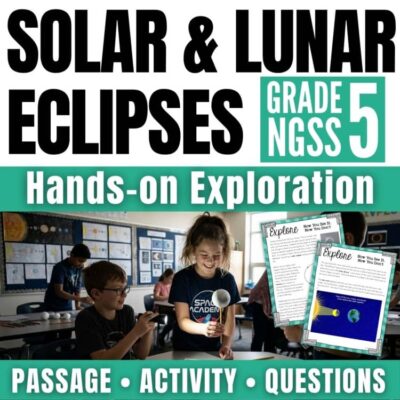
This solar and lunar eclipse activity is a hands-on 5th grade science station. Students read a passage, model eclipses with simple materials, and answer questions about moon phases, solar eclipses, and lunar eclipses.
-
Rated 4.63 out of 5
$8.52
These Third Grade Science Assessments are aligned to the Next Generation Science Standards for third grade and compliment our 5E Instructional Units. There are two assessments or tests per NGSS standard. There is also a third assessment that combines those two tests.
-
Rated 5.00 out of 5
$8.17
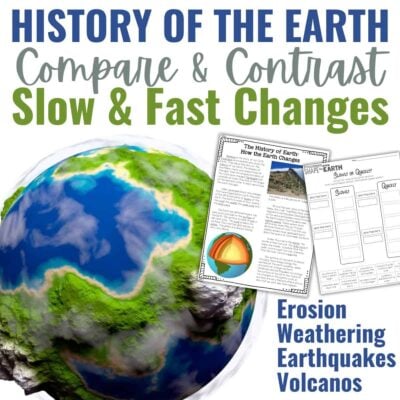
Processes that Shape the Earth is an Earth’s Systems Unit that addresses the second grade Next Generation Science Standards. This product is one section of the whole unit: ESS1.C: How the Earth Changes (Compare & Contrast)
-
Rated 5.00 out of 5
$14.24
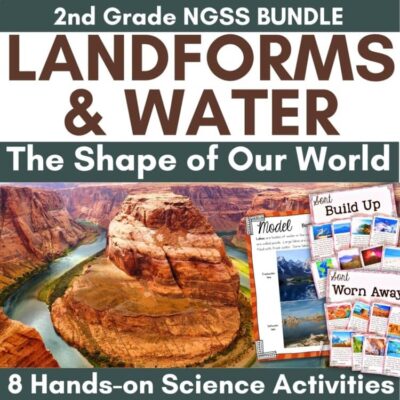
In this set of science stations, students learn how maps show where things are located and how to map the shapes and types of land and water in any area. It includes 8 different science stations where students deepen their understanding of maps, the globe, reading maps, plates, bodies of water, and landforms. All stations in this set meet the DCI 2-ESS2.B and incorporate ETS1.C.
-
$3.41
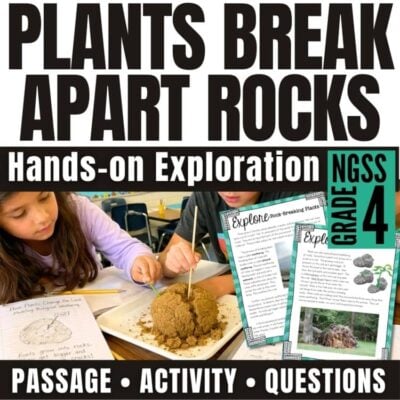
This plants weathering rocks activity helps 4th grade students see how living things change Earth’s surface. Students read about root pry, root throw, and chemical weathering, then model how plant roots break rocks apart.
-
Rated 5.00 out of 5
$4.80
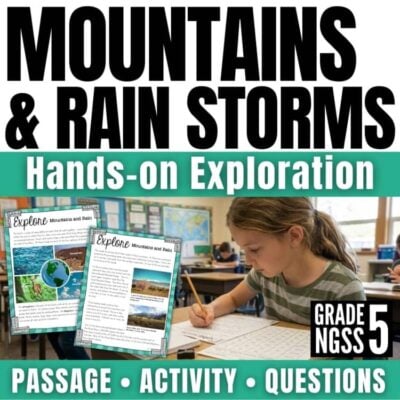
This hydrosphere and geosphere activity helps 5th grade students see how mountains affect precipitation. Students read an informational text, graph real elevation and rainfall data, and use their analysis to explain how Earth’s spheres interact, in a station aligned to NGSS 5-ESS2-1.