

Classroom reward parties are different from everyday classroom rewards.
Instead of small incentives like extra recess or a homework pass, reward parties are bigger celebrations that students earn over time after meeting a class goal, finishing a unit, or showing consistent positive behavior.
Looking for everyday classroom reward ideas instead of full parties? Check out this list of 51 classroom rewards you can use anytime.
When to Use a Classroom Reward Party
A classroom reward party works best as a milestone celebration, not an everyday incentive.
Unlike small classroom rewards like extra recess or a homework pass, a reward party is something students earn together over time. It gives the entire class a shared goal and builds excitement as they work toward it.
You might plan a classroom reward party:
- After finishing a major unit or project
- When the class reaches a behavior or point goal
- At the end of a grading period
- As a celebration of improved classroom routines
- After meeting a reading, math, or attendance milestone
Because these parties are earned collectively, they promote teamwork and accountability. Students see how their individual choices contribute to a larger class goal, which strengthens classroom community.
When positioned this way, a classroom reward party becomes a meaningful celebration of growth and effort.
Here are 16 classroom reward party ideas that work for elementary students, organized from lowest-prep to most curriculum-connected.
16 Classroom Reward Party Ideas
Your students will LOVE these party ideas! Some are easier to implement than others, but all will help you manage your classroom as students focus on earning their classroom party reward!
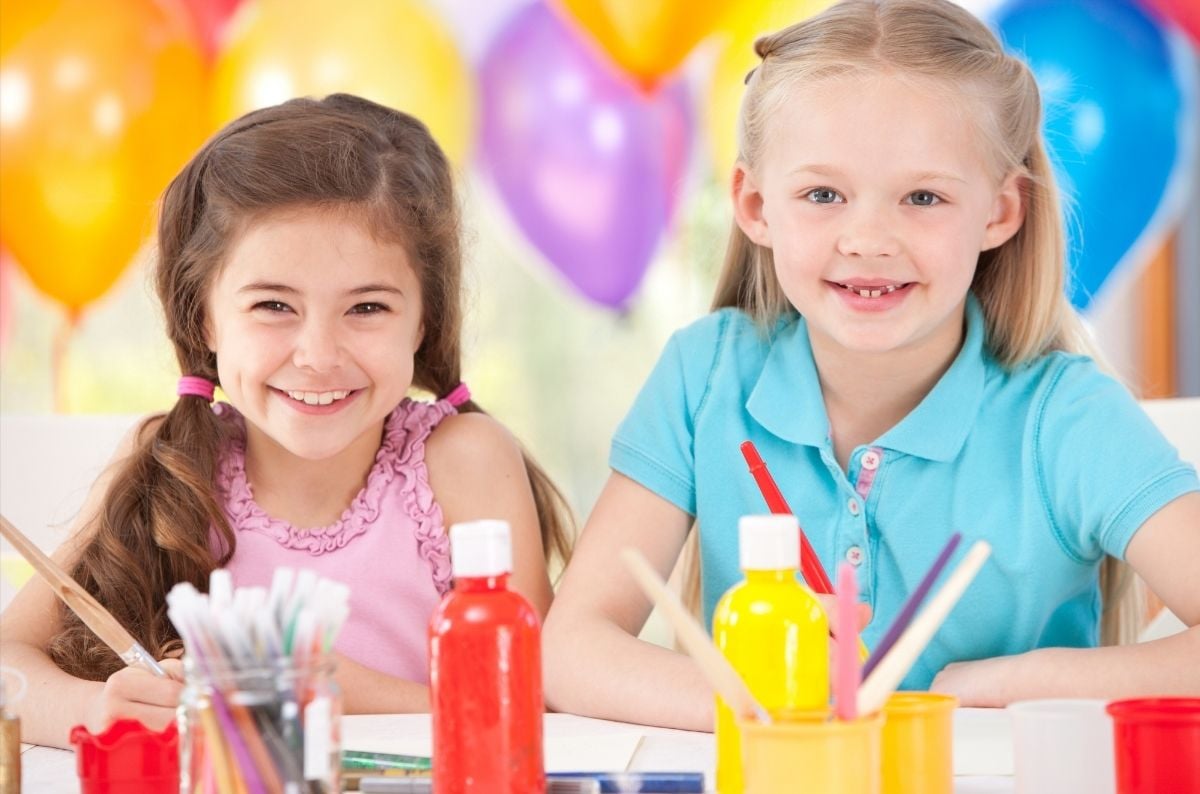
1 – Art Party
An art party encourages creativity and self-expression. To set the scene, you could divide the classroom into different “art stations,” each featuring a unique medium or technique: watercolor painting, clay modeling, collage making, directed drawing, or even digital art if tablets are available.
Consider inviting a local artist to share their work and techniques with the students, offering them a glimpse into the life of a professional artist. To make the event more interactive, you could end the party with a mini-exhibition where students display their artwork and discuss their creative process.
2 – Movie Party
Transforming the classroom into a cinema for a day can offer a relaxing, entertaining reward for students.
Allow the class to vote on age-appropriate G-rated movies beforehand, giving them a sense of ownership over the event.
Create a cozy atmosphere with dimmed lights, comfortable seating arrangements, and makeshift tickets for entry.
Healthy snacks like popcorn, fruit, and water can enhance the experience and make it feel like a real movie theater outing. This party can also be educational by selecting movies with themes relevant to the curriculum.

3 – Pajama Party
A pajama party in the classroom can create a cozy, relaxed atmosphere. Encourage students to wear their pajamas and bring a favorite stuffed animal or blanket.
The day could include quiet activities like storytime, where you read aloud to the class, and more active ones like board games or puzzles.
A breakfast-themed snack station with fruit, muffins, or pancakes can add a special touch. This type of party gives students a chance to bond in a low-key setting. It also works especially well for a half-day.
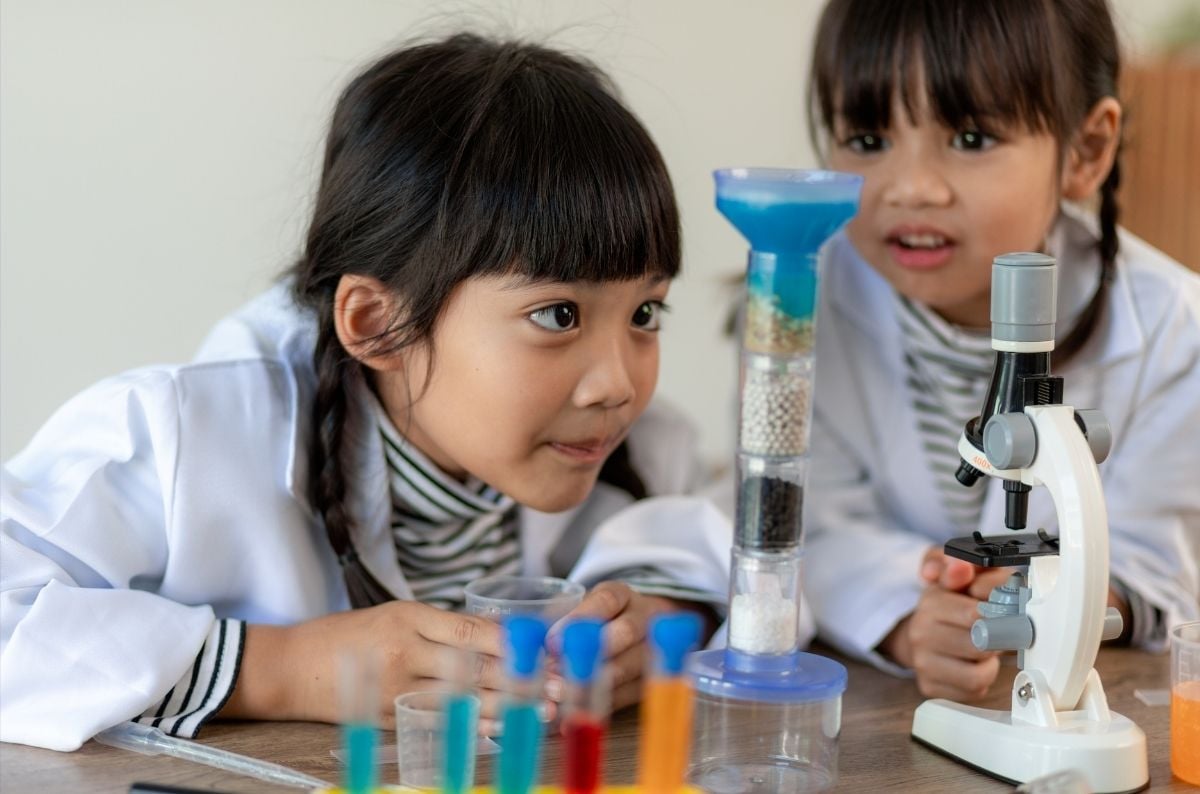
4 – Science Experiment Party
A science experiment party encourages curiosity and a love for learning. Students can work individually or in groups to prepare science projects or experiments to present to the class.
Set up the classroom like a science exhibition hall, with each project displayed on a table for others to explore. Interactive stations, where students can participate in hands-on experiments, can add hands-on discovery to the event.
This could be an opportunity to integrate lessons from the science curriculum, allowing students to apply what they’ve learned in a hands-on context.
5 – Outdoor Adventure Party
An outdoor adventure party takes advantage of the great outdoors and can be a fantastic way for students to burn off energy and explore nature.
Organize games and activities such as a nature scavenger hunt, relay races, or simple sports. Set up picnic areas where students can relax and enjoy snacks or lunch outside.
This type of party encourages physical activity and appreciation for the environment, and you can tie it to science, geography, or physical education lessons.
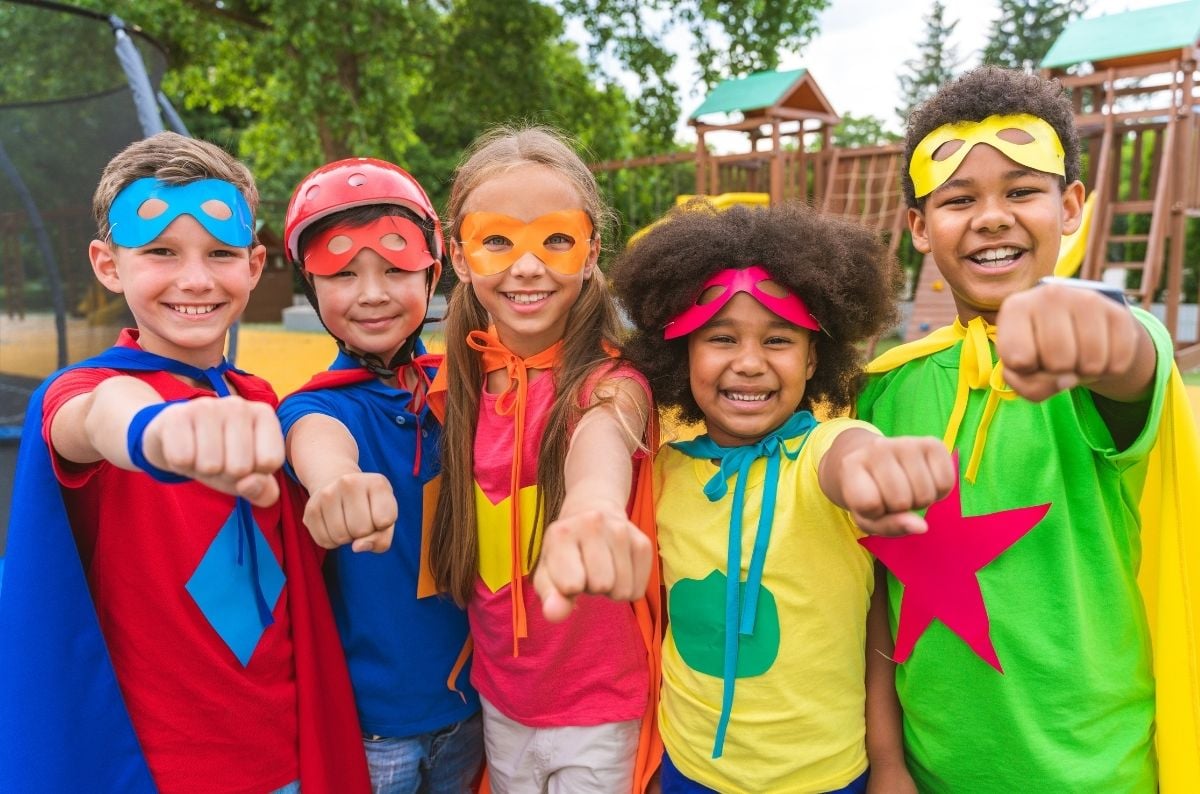
6 – Superhero Party
A superhero party allows students to celebrate their favorite characters while exploring themes of heroism and kindness.
Invite students to dress as their favorite superheroes and organize activities like crafting their superhero masks or capes from simple materials. A superhero trivia contest can test their knowledge of different characters, and a comic book exchange can encourage them to share stories they love.
This theme can also incorporate discussions about real-life heroes and the qualities that make someone heroic.
7 – Gardening Party
Gardening offers a hands-on learning experience about plants, sustainability, and the importance of caring for the environment.
You can set up small pots and gardening tools so students can plant flowers, herbs, or vegetables to take home. Alternatively, starting a class garden can be a collective project that teaches responsibility and teamwork. Educational activities can include learning about plant life cycles, the importance of pollinators, and how to care for plants.
Students who plant something during the party and take it home often remember the lesson better than they would from a worksheet.
8 – Music and Dance Party
A music and dance party can energize and inspire students.
Create a playlist of kid-friendly songs and organize a mini dance-off or karaoke session where students can perform their favorite songs. Invite a local musician or dance instructor to perform or lead a lesson to introduce students to different musical styles or dance forms.
This party is a natural way to explore the arts and encourage physical activity while having fun.
9 – Cooking Party
Cooking together can teach students valuable life skills while enjoying delicious results.
Choose simple, safe recipes that students can follow under supervision, such as sandwiches, salads, or no-bake desserts. Make the party educational by incorporating lessons on nutrition, measuring, and following instructions. Be sure to consider food allergies and kitchen safety.
A cooking party is one of the easiest options if your class has recently covered a nutrition or measurement unit.
The next seven ideas add a curriculum connection — a good option when you want the celebration to reinforce what students have been learning. Connecting party ideas to classroom goals gives the celebration a clear purpose and makes the learning feel memorable. The “Fraction Fiesta” approach works for any of these: shape the party around content you’ve been teaching rather than picking a theme first.
10 – Book Swap Party
Promote literacy and the joy of reading by organizing a book swap.
Ask students to bring a gently used book they love but are willing to pass on to someone else. Set up the classroom with cozy reading corners filled with pillows and bean bags to create a comfortable space for students to browse and read.
Invite a guest storyteller or local author to read to students or discuss the process of writing a book, inspiring them to explore their own storytelling abilities.
11 – Storyteller’s Gala
After a unit on creative writing or literature, host a party where students can share stories or poems they’ve written.
This could involve a cozy setup with a “campfire” in the middle of the classroom (using a safe, artificial light) where students take turns reading their work.
This type of party encourages literacy skills, public speaking, and appreciation for literature.
12 – Geography Jamboree
If geography has been a focus, organize a party where each student represents a country they’ve studied. They could bring food from that country, wear something traditional, or prepare a short presentation. This immersive experience reinforces geography knowledge and cultural awareness.
13 – Eco Celebration
After a unit on environmental science or sustainability, plan a party that emphasizes eco-friendly practices. Activities include making crafts from recycled materials or planting seeds in biodegradable pots.
This party reinforces lessons on environmental stewardship and sustainability.
14 – Math Marathon
For a math-focused celebration, organize a series of math games and challenges. For instance, set up stations for different math puzzles, logic games, or activities that require measuring ingredients for a recipe. This reinforces math skills in a fun, applied context.
15 – Historical Times Festival
After studying a particular historical period, host a themed party where students can dress as historical figures or partake in activities typical of the era. This could include traditional games, crafts, or even a mock archaeological dig.
This event would reinforce historical knowledge and analytical thinking. Be sure that the party is culturally sensitive.
16 – Science Spectacular
Celebrate the end of a science unit with experiments that students can conduct and present. Activities could include making volcanoes, exploring non-Newtonian fluids, making ice cream, or building simple machines. This party emphasizes the scientific method and curiosity about the natural world.
By thoughtfully incorporating these classroom reward party ideas, teachers can ensure their classroom parties are worth the planning time. This gives students unique opportunities to apply their knowledge in a festive, supportive environment.
A well-timed classroom reward party builds community, reinforces class goals, and gives students something meaningful to work toward.
Jessica BOschen
Jessica is a teacher, homeschool parent, and entrepreneur. She shares her passion for teaching and education on What I Have Learned. Jessica has 16 years of experience teaching elementary school and currently homeschools her two middle and high school boys. She enjoys scaffolding learning for students, focusing on helping our most challenging learners achieve success in all academic areas.