
6 Ways to Stop Students from Blurting Out in the Classroom
When students know an answer or have something to share, it’s often easier to shout out than to wait. That enthusiasm is worth preserving — but blurting disrupts the students around them and makes it harder for quieter students to contribute.

The strategies below address blurting from multiple angles: building awareness, adding discussion structure, and reinforcing the behaviors you want to see more of.
This post contains links to affiliate websites, such as Amazon, and we receive an affiliate commission for any purchases made by you using these links. We appreciate your support!
Tell Students that Blurting Out in the Classroom is a Problem
Many students don’t realize they have a problem with blurting out or notice the impact of their behavior. They just don’t realize that their behavior is creating problems in the classroom. For some students, being together in a whole group is exciting, and they can’t contain the excitement. For others, it’s terrifying, and they sit and observe without participating.
For some students, blurting is connected to impulse control challenges rather than a lack of awareness. Students with ADHD, sensory processing differences, or high anxiety may find waiting genuinely difficult — not just inconvenient. For these students, the strategies in this post still apply, but pairing them with support from a school counselor or specialist can make a real difference. Recognizing that not all blurting is intentional helps teachers respond with the right level of support.
Read Books About Blurting Out In The Classroom
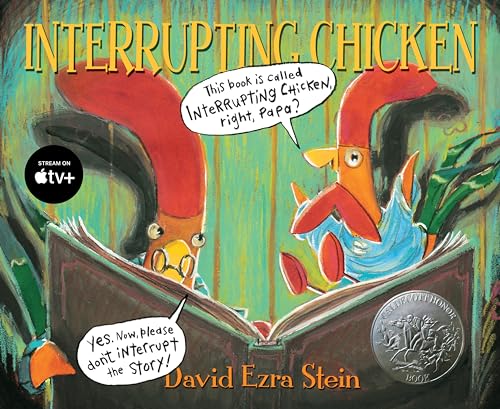
Books are a valuable tool for helping students see and understand the world around them. A couple of books about blurting and talking in the classroom include My Mouth is a Volcano, What Were You Thinking, and It’s Hard to Be a Verb.

My Mouth is a Volcano focuses specifically on talking too much. The other two focus on impulse control and an inability to focus, which are likely issues that your blurters deal with regularly. Likewise, you might also consider books that help your shy students come out of their shell. All students could set goals around how they interact in a large group.
Here are a few books to get you started!

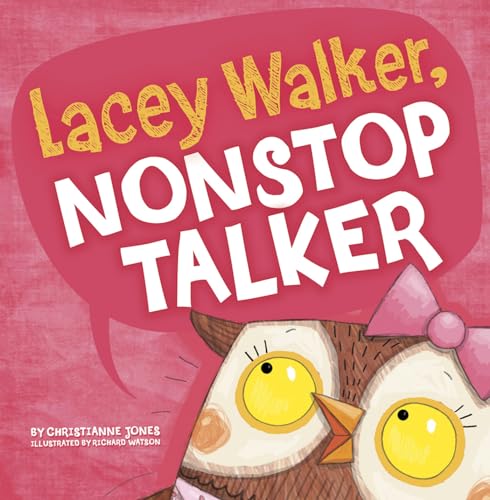
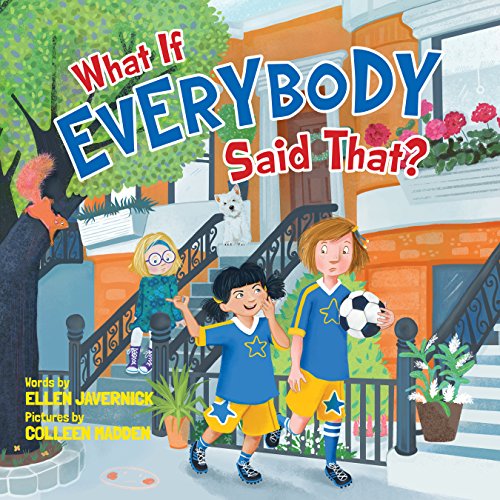
- Amazon Kindle Edition
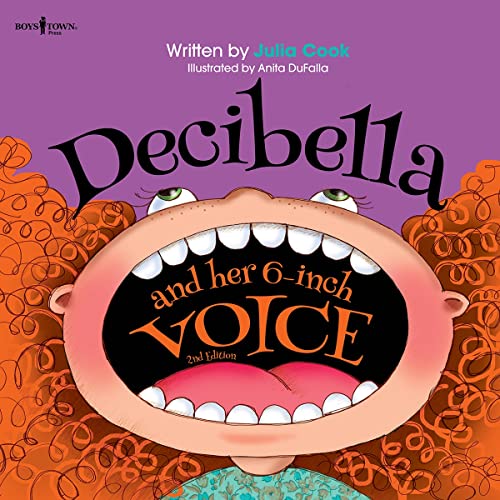


I’ve used books for in-depth activities on bullying. You can read about those activities in this blog post on How To Build Character in the Classroom.

Create an Anchor Chart about Blurting Out in the Classroom
A visual reminder will help students as you move forward through this process. When focusing on a specific classroom management issue, a useful approach is to first outline the problem and discuss why it matters, then brainstorm solutions or the expected behavior.
Building the anchor chart with students is especially effective — and it helps to frame expected behaviors as individual choices (‘I’ statements) rather than group rules. For instance, focus on what “I,” as an individual student, can do, not what “we,” as a group, can do.
How to Build the Anchor Chart
To develop the anchor chart, you can have students contribute their ideas orally. If you do this, watch for students who blurt out and call it out. Older students will see the irony of blurting out while talking about blurting out. Younger students will start to recognize the problem.
If you choose to have students write their answers, sticky notes are a wonderful tool. Give students one minute to write as many ideas as possible for why it’s a problem. Pause and discuss why. Then give a minute to write as many ideas as possible about solutions.
You can also break this up and have an individual brainstorm for a minute, then a small-group discussion where small groups choose three ideas to share with the whole group. Then a whole group discussion. This process is discussed below as a way to add structure to your whole-group discussions.

Revisit the Anchor Chart to Curb Blurting Out in the Classroom
You can use the anchor chart throughout the year or at specific times when students are a little antsier. The first week back from long breaks is an especially good time to revisit behavior expectations.
I also use the anchor chart with specific students who need a little more support. I photograph the anchor chart and print a small copy to tape to their desks. We revisit the mini-anchor chart to analyze behavior and set behavior goals. A concrete list of expected behaviors is a great starting point for behavior goal-setting.
Provide Structure for Whole-Group Discussions
Consider adding more structure to your whole-group discussions. There are several ways to add structure to classroom discussions, including breaking them apart, providing wait time, and using cooperative learning strategies to engage all students (and re-engage some with a more appropriate outlet).
Break Apart Your Discussions to Help Blurting Out in the Classroom
Above, I mention individual brainstorming, a small-group discussion, and then a whole-group discussion while creating the anchor chart. By breaking apart the discussion, you give all students a chance to have a voice, including those who don’t feel comfortable talking in whole-group settings. You also give those who blurt out a chance to speak early on in a small group. They may not feel the need to share their idea during the whole-group discussion.
Write it down
Encourage students to write down their answers before raising their hand (or blurting out). For younger students not proficient in writing, they can draw pictures of their answers before sharing out. This can be an effective strategy for the whole class to help students process and generate ideas. Whiteboards are also and sticky notes are great tools to utilize during this process. They provide a fun alternative to paper and pencil.
Before transitioning into a whole class discussion, you may want to try allowing the students to share with one other classmate. This gives them a chance to share aloud without blurting and allows them to practice appropriate volume as well. This strategy may also be used on an individual basis to help chronic blurters decide if their blurt is an answer they would like to share with the class by raising their hand and participating appropriately in the class discussion.
Tell Students that You Want Them To Think BEFORE You Ask the Question
Another way to provide structure and curb blurting out in the classroom is to tell students that you want them to think before you ask your question. If I have an important question I want students to think about, I put my finger to my temple and another finger over my lips and tell students this is a thinking question.
Allow students time to think before calling on anyone. I generally do this for a Think-Pair-Share structure, too. I tell students to think without talking, then turn to their neighbor to share, then raise their hand to share with the whole group.
Cooperative Learning Strategies
I’ve already mentioned a few cooperative learning strategies above, like Think-Pair-Share. Here are a few more that will add structure to your whole group discussions.
Talking Chips
This is a small group discussion strategy that you can use during a whole-group time. At the beginning of a class period, provide each student with three stick notes (or other things to use as a counter). Be sure that you set the ground rules that these aren’t for playtime. Alternatively, only provide the talking chips to those students who need help regulating their behavior.
During the discussion, as students respond and give an answer, collect their talking chip. When they are out of talking chips, they can no longer contribute to the discussion. This does two things: it limits students who talk too much and it encourages students who are quiet to talk more.
For those who talk too much, it could also help them analyze and decide on which idea is the most important that they want to share. You may need to engage students in a whole group discussion about choosing the best idea with their talking chips.
Talking Stick
This is a fun tool, especially if you find an engaging sought-after talking stick. I used a glitter wand in my classroom. Some teachers use microphones.
The idea is that only the student that has the talking stick can talk. If a student doesn’t have the talking stick they have to sit still and actively listen.
Teach Active Listening Skills
Some kiddos just need a little more help and explicit teaching about how to listen. What does it look like to listen when someone is talking? What are your hands doing? What are your eyes doing? What is your body doing?
Create an Anchor Chart to Use Throughout the Year
This is another great time to create an anchor chart that you can refer to throughout the year and with individual students as needed. Here is a sample of one we have built about what active listening looks like, sounds like, feels like.

Model and Practice Active Listening
Modeling activity listening is another great way to build muscle memory with this skill. The Daily 5 book has a great routine for building stamina with reading independence that can be transferred to teaching students any skill that requires modeling and building of stamina. The basic idea is to use students to model positive behavior and model the negative behavior. You can also create an anchor chart that illustrates both the desired behavior and distracting behavior.
Provide Positive Praise
While you show your students what it looks and sounds like to respond to a question or participate in a discussion, over-emphasize the behavior with positive praise. After asking an initial question, raise your own hand. Call on students that have their hands raised and use consistent positive behavior reinforcement.
“Thank you for raising your hand, Sally” seems simple but can be an effective way to encourage appropriate classroom behavior without drawing attention to off-task or blurting behaviors.
Most students love their teacher and seek their teachers’ praise. You can likely take care of most of the issue of blurting out in the classroom by just giving more praise. It’s a simple thing that can be so difficult sometimes.

Keep a Tally or Try a Blurt Board
For older students who always need to get the first and last word in class, have them keep a tally of how many times they contribute answers. Use this strategy only with students who feel they need to respond to almost every question, whether or not they have something relevant to say.
Telling students to comment just five times in a class period, for example, can reduce random blurts and help them gauge the relevance of their contributions to class discussions.
Use a behavior chart in the form of a blurt board. For your big “blurters”, you can use a laminated board with the student’s (or students’) name(s). Each student will start with four monsters. When they blurt, they lose a monster. Students who have all their monsters remaining at the end of the day get a reward! Print out your free blurt board to use in your classroom!
Help manage discussions with these 6 ways to curb blurting out in the classroom. Recognizing positive behaviors and modeling effective classroom discussions will help your students share appropriately and change your classroom environment.
Blurting rarely disappears overnight, but layering these strategies — starting with awareness, adding discussion structure, and reinforcing the behaviors you want — creates a consistent classroom environment where more students feel heard. Do you have additional strategies that work in your classroom? Share them in the comments below!
Additional Classroom Management Tools
Here are some other tools that will help you with this tricky classroom management skill.
The first is an individual daily behavior chart. I use it with students who need a little more accountability throughout the day and include blurting as one of the goals when needed.
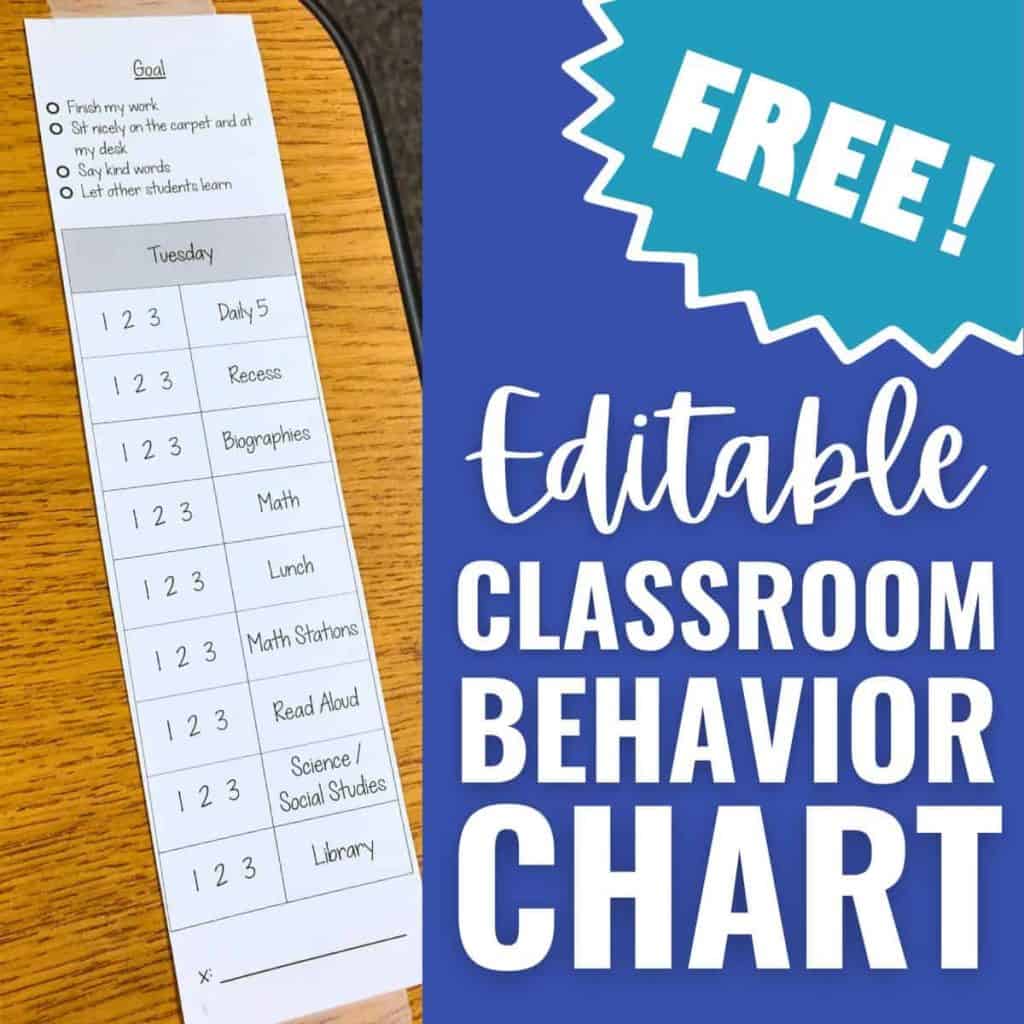
This is a goal-setting form that we use regularly in our classroom to reflect on our academic skills and behavior. This blog post includes a list of behavior goals. I also use the anchor charts above and have students select a goal they want to work toward over the allotted time.

This is a great blog post from Responsive Classroom on how to Blurting Out in the Classroom. It reiterates some ideas from this post and adds a few more.
Want to Reduce Disruptions So You Can Actually Teach?
Check out this 100% FREE Micro Training
from my friend Linda over at Teach 4 the Heart.
Creating a calm classroom environment can be hard…and you probably didn’t learn everything you needed to about classroom management in college. (I know I didn’t!)
But there is hope and a way to make your teaching experience more fulfilling and less stressful.
Watch this quick 28-minute training to learn how you can minimize disruptions so you can actually teach your content (and get to do the projects & activities that make learning more fun for EVERYONE!
Linda WON’T just tell you to “build relationships” because, frankly, even the best connections can’t eliminate all classroom challenges. Achieving a smooth-running class requires a more nuanced approach.

So join me for this FREE 28-minute training and discover their Calm Classroom Blueprint, used by thousands of teachers to:
- Significantly reduce disruptions during lessons & work times.
- Gain confidence In handling challenging situations (that previously left them dumbfounded).
- Lower daily stress levels and find joy in teaching again!

This is so awesome, thank you for formulating such s great selection of useful tools!!
Great article! I cannot stress enough how important active listening skills are.
I like the precipice of the blurt board. Would there be any differences for Special Needs students?
While I have worked with special needs students in a mainstream classroom, it has been under the guidance of their regular special ed teacher, so my experience is limited to the mainstream classrooms. I would not use a public blurt board for students with special needs, but an individual behavior chart, like this: https://whatihavelearnedteaching.com/behavior-charts-when-why-and-how-to-use/