Showing 421–435 of 453 resultsSorted by popularity
-

$6.83
Processes that Shape the Earth is an Earth’s Systems Unit that addresses the second grade Next Generation Science Standards. This product is one section of the whole unit: ESS2.C: Where is Water? (Main Idea & Details)
-

Rated 4.99 out of 5
$182.03
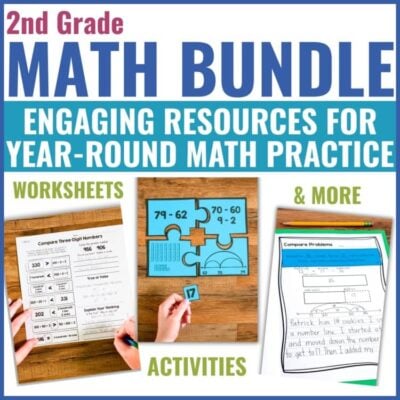
Save time planning with this Second Grade Math Bundle packed with yearlong, seasonal, and unit-based math resources! Includes daily math review, math games, centers, task cards, puzzles, assessments, word problems, no-prep printables, fact fluency practice, place value, addition, subtraction, measurement, fractions, time, money, and more.
-
$4.57
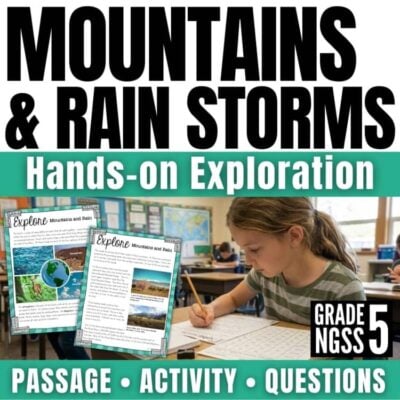
This hydrosphere and geosphere activity helps 5th grade students see how mountains affect precipitation. Students read an informational text, graph real elevation and rainfall data, and use their analysis to explain how Earth’s spheres interact, in a station aligned to NGSS 5-ESS2-1.
-
$3.89
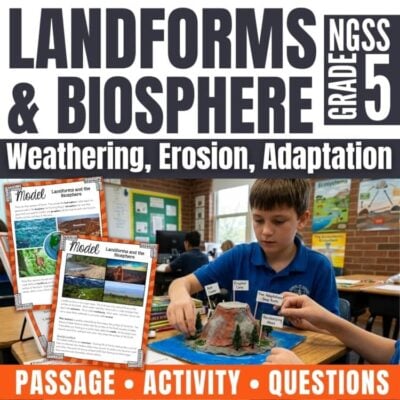
This geosphere and biosphere activity is a 5th grade modeling station about how landforms and living things interact. It supports NGSS 5-ESS2-1 as students explore how mountains, plateaus, hills, and plains form, how they affect climate, and how organisms adapt to different environments.
-
$4.95
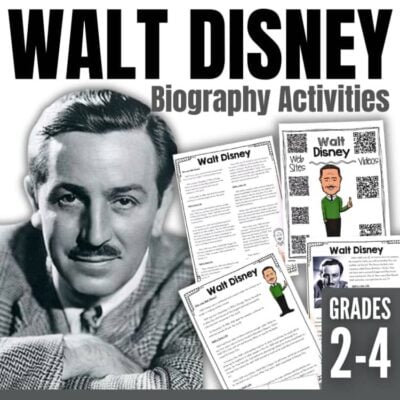
This Walt Disney biography resource combines reading comprehension, biography writing, vocabulary, and research skills in one cross-curricular pack. Students learn about Walt Disney’s life and accomplishments through a reading passage, graphic organizers, comprehension activities, and report writing pages, with print and digital versions included.
-
$3.43
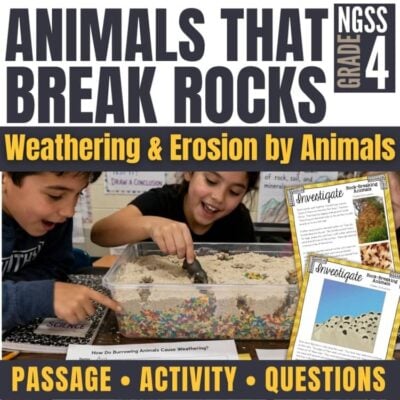
This animals that weather rocks activity shows 4th grade students how living things, including burrowing animals and plant roots, break rocks apart over time. Students observe, sort, and describe real examples of weathering, and the activity is aligned to NGSS 4-ESS2-1.
-
$3.19
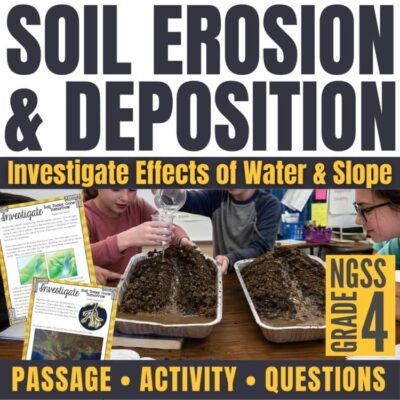
This soil erosion and deposition lab gives 4th grade students a hands-on way to investigate how water and slope affect the movement of soil. The science station is aligned to NGSS 4-ESS2-1 and builds skills in scientific inquiry, data collection, and drawing evidence-based conclusions.
-
$6.25
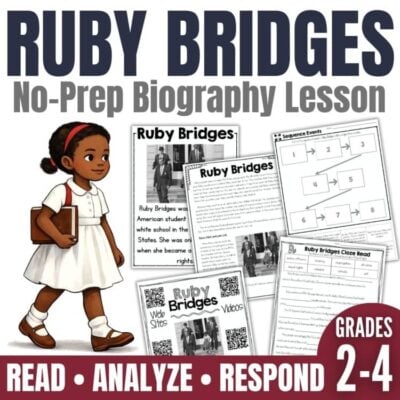
This Ruby Bridges biography unit introduces elementary students to Ruby’s story with reading passages, vocabulary support, graphic organizers, and comprehension activities. It supports Black History Month, character education, and social studies through meaningful literacy practice.
-
$3.03
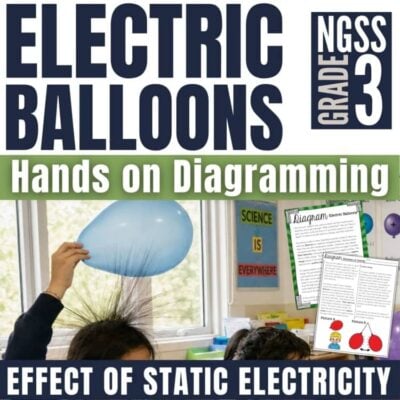
These static electricity activities help third grade students explore electrons, electrical charges, attraction, and repulsion through diagrams, response activities, task cards, and comprehension questions. The station is aligned to NGSS 3-PS2-3 and includes printable and digital options.
-
$11.66
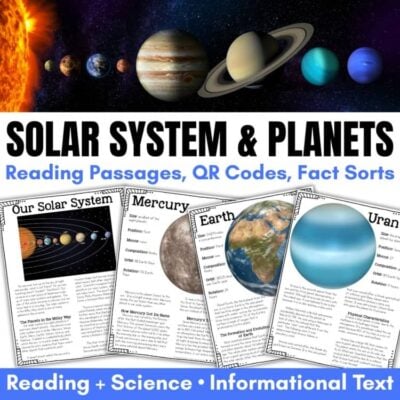
These solar system reading passages combine informational articles, graphic organizers, and research tools so upper elementary students can learn about the planets, stars, sun, and moon. Each article comes in two differentiated levels, which makes the unit work for reading, writing, and science at once.
-
$6.50
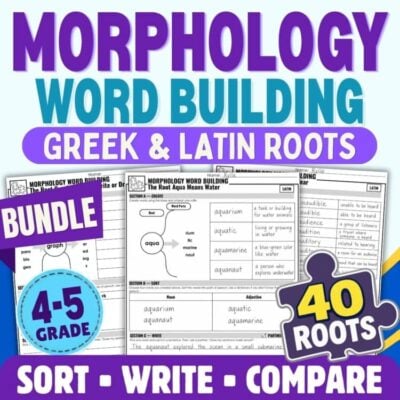
This morphology worksheets bundle gives 4th and 5th grade students structured practice with Greek and Latin roots, prefixes, suffixes, word building, sorting, and sentence writing. Each grade-level set includes 20 root-focused lessons that help students use word parts to build vocabulary and figure out unfamiliar words.
-
$25.00
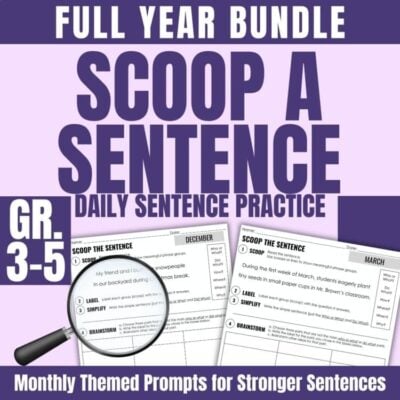
This scoop a sentence bundle builds sentence fluency, grammar, and sentence structure with one repeatable routine all year long. Students scoop phrases, label sentence parts, work on a grammar skill, and then expand, simplify, and rewrite the sentence.
-
$24.55
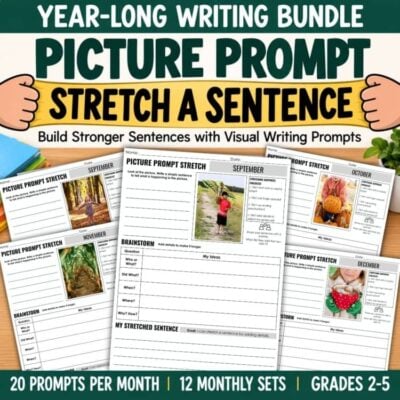
This stretch a sentence picture prompts bundle helps students in grades 2 through 5 observe a picture, answer scaffolded questions, and expand a simple sentence into a detailed paragraph. Each monthly set includes 20 prompts, so you have fresh no-prep writing practice throughout the school year.
-
$22.43
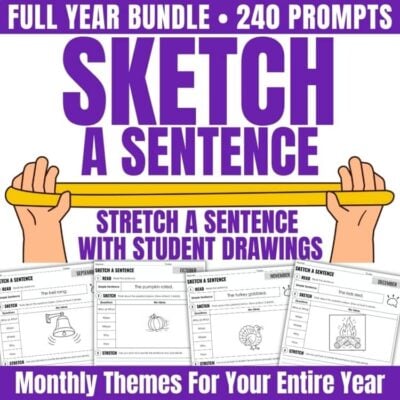
This sketch a sentence bundle gives young writers a consistent routine for expanding sentences all year long. Each page combines a sentence starter, who, what, when, and where questions, space to draw, and primary writing lines, with a themed set for every month.