
Changes in Ecosystems 3rd Grade Natural Selection Camouflage Survival Worksheets
$3.00
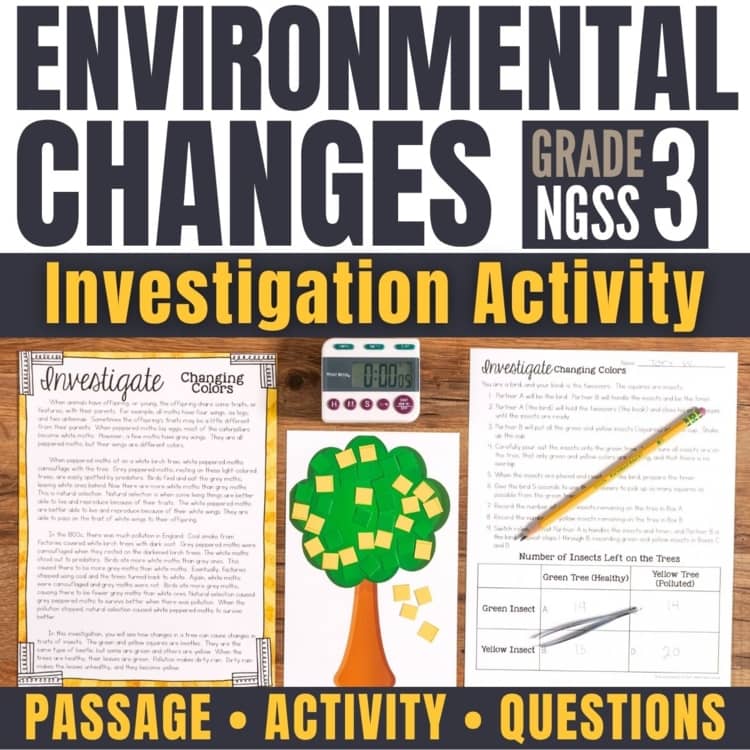
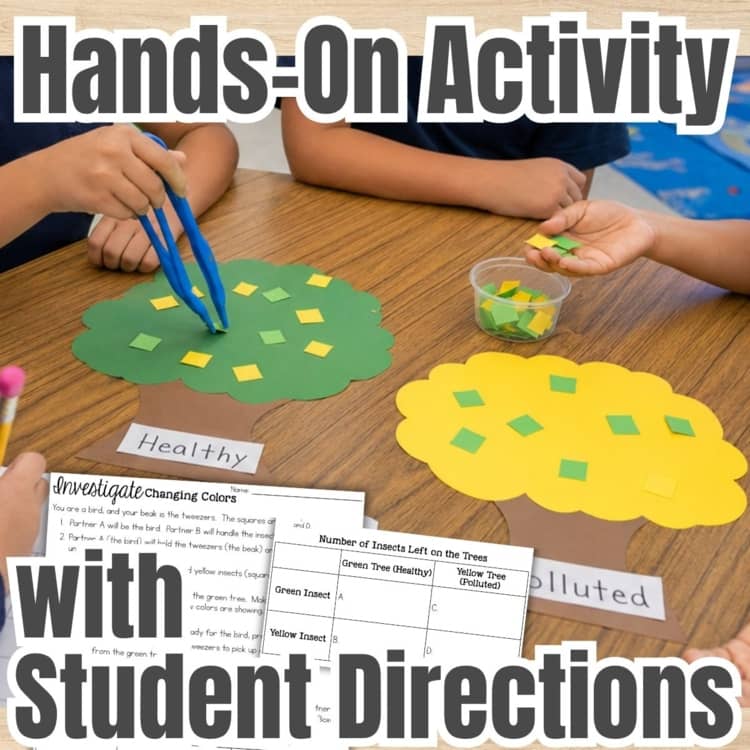
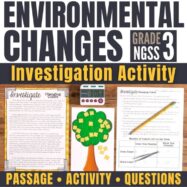
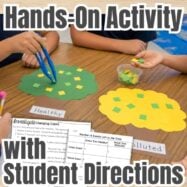
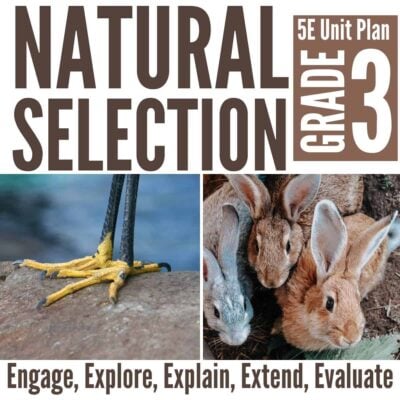
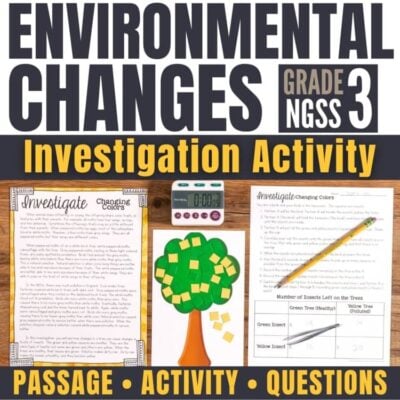
This natural selection camouflage activity helps 3rd grade students explore how environmental changes affect species traits. Students simulate predator and prey interactions with colored insect squares and tree backgrounds.
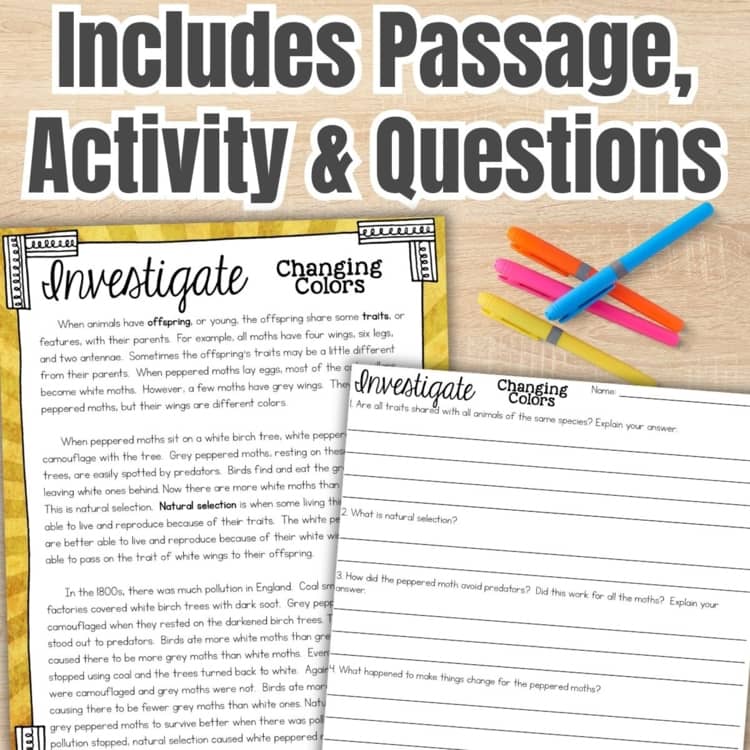
They discover how camouflage affects survival, analyze their results, and connect to real-world examples like the peppered moth. The station reinforces adaptations, inherited traits, biodiversity, and survival advantages.
It is designed for small group work and supports collaboration and scientific observation.
What’s Included
- Teacher instructions and material prep
- Colored insect squares and tree backgrounds for the simulation
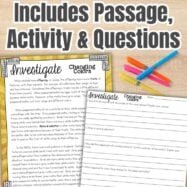
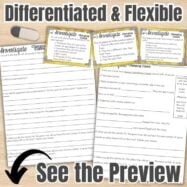
- Data collection and analysis pages
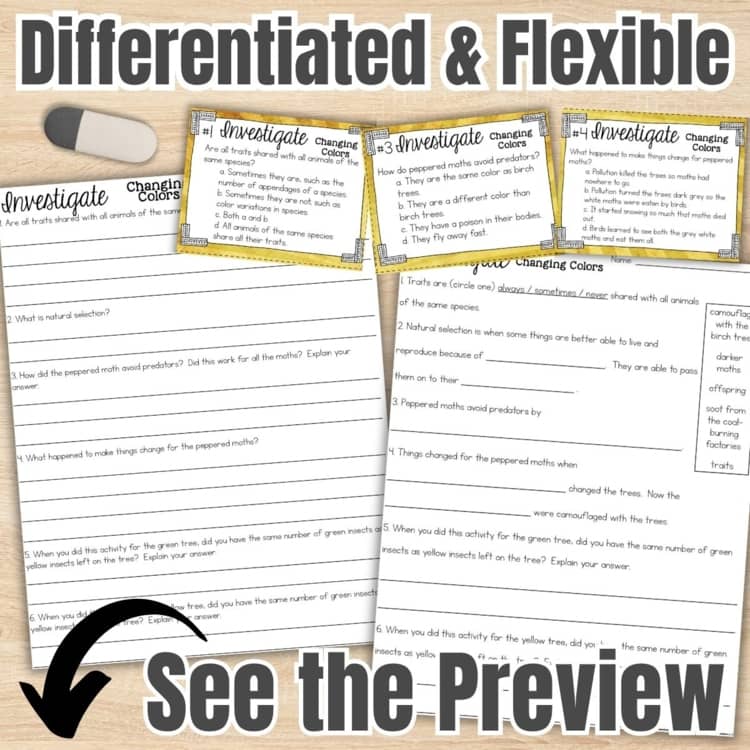
- Task cards
- Comprehension and response pages
Skills Covered
- Understanding natural selection and adaptation
- Recognizing how traits are inherited and vary
- Modeling ecosystem changes and their effects on species
- Analyzing data from investigations
- Drawing conclusions based on evidence
Ways to Use This Resource
- Set up as a small group station
- Use in interactive notebooks
- Teach during an adaptations unit
- Use task cards for review
- Use in rotational learning
Why Teachers Love It
- Hands-on simulation
- Encourages collaboration
- Real-world example makes the idea clear
- Aligned to NGSS
- Works for small groups
This natural selection camouflage activity lets students see why some traits help organisms survive when the environment changes.
Loading preview...
4 reviews for Changes in Ecosystems 3rd Grade Natural Selection Camouflage Survival Worksheets
5.00 out of 5 stars
Only logged in customers who have purchased this product may write a review.
by Briannon –
This checked several boxes for my team and me. It came in so handy and covered some literacy standards as well. I'll be looking at more of your products!
Tina Williams –
I used this resource with my third grade students.
Sarah A. –
This was great practice for my 3rd graders.
The Little Scientists –
Thanks